No products in the cart.

Crises Plaguing Government School Education in India
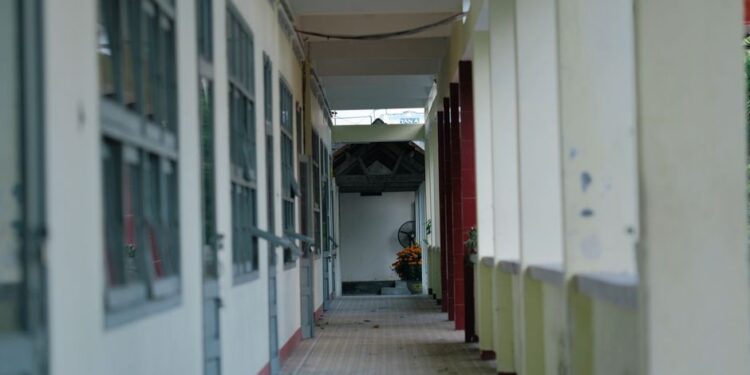
Student protests across India highlight the urgent need for improvements in government school conditions, as enrollment continues to decline.

India’s government schools are in crisis. The number of government and government-aided schools dropped from 1.17 million to 1.08 million between 2018 and 2025. This loss of 84,000 schools has led to 15 million fewer students enrolled. Concerns are rising about the accessibility and quality of education. Recent student protests show the urgent need for basic amenities like clean water, functional toilets, and proper classroom facilities.
Students across India are protesting against the poor conditions in government schools. They demand better amenities, showing their dissatisfaction with the public education system. The decline in school numbers and student enrollment reflects demographic changes and systemic issues that need immediate attention. A report by Niti Aayog states that school consolidation, aimed at optimizing resources, has unintentionally alienated many students, especially in rural areas where access to education is limited.
Infrastructure Deficiencies and Their Impact on Enrollment
Career Ahead’s analysis of data from the Unified District Information System for Education Plus (UDISE+) shows that inadequate infrastructure is a major barrier to education in India. Many government schools lack essential facilities, affecting student retention and enrollment. For example, 63,000 schools do not have functional toilets, and only 94.2% meet basic sanitation standards. This lack of hygiene facilities harms students’ health and reduces their willingness to attend school, especially for girls facing societal pressures about cleanliness and privacy.
Many schools also lack necessary educational resources. The Annual Status of Education Report (ASER) by Pratham reveals that nearly three-fourths of Class III students in rural government schools cannot read Class II-level text. Most cannot perform basic math operations. This lack of foundational skills discourages parents from enrolling their children in government schools, pushing them toward private education. The ASER report highlights that the quality of education in government schools significantly influences parental choices as families seek better opportunities for their children.
The distance barrier created by school mergers worsens the situation. As schools consolidate, many students, especially girls, face longer travel distances. Anita Rampal, a professor at Delhi University, notes that longer travel times reduce access, particularly for girls whose parents may not feel safe allowing them to travel alone. This has led to a high dropout rate, especially at the secondary level, where gains from primary education do not lead to successful completions. The Niti Aayog report points out that geographical and social barriers to education are worsened by inadequate transportation options, isolating students from educational opportunities.
This has led to a high dropout rate, especially at the secondary level, where gains from primary education do not lead to successful completions.
The implications of these infrastructure issues are serious. A report from Niti Aayog argues that while consolidating schools may improve efficiency, it risks alienating students who can no longer easily access education. The government must find ways to support affected students, possibly through transportation assistance or incentives for families to keep their children in government schools. The lack of a strong transportation network not only hinders access but also increases the gap between urban and rural education systems.
Overall, the infrastructure crisis in government schools affects current students and has long-term implications for India’s educational landscape. If these issues remain unaddressed, the country risks losing a generation to inadequate education. The sociological effects of this crisis extend beyond individual students; they threaten to perpetuate cycles of poverty and limit social mobility for entire communities.
Policy Changes Needed to Address Educational Gaps
To address the challenges facing government schools, significant policy reforms are necessary. Career Ahead research shows that current educational policies do not adequately address infrastructure and accessibility issues. The government must prioritize funding for basic amenities and ensure schools have the necessary resources for effective learning. This includes not only physical infrastructure but also investment in teacher training and curriculum development to improve educational quality.
There is also a pressing need for targeted interventions to improve education quality in rural areas. The Niti Aayog report emphasizes that the focus should be on both the number of schools and the quality of education. This includes investing in teacher training programs, ensuring classrooms are conducive to learning, and providing access to technology and learning materials. The ASER report highlights the importance of equipping teachers with the skills and resources needed to engage students and improve learning outcomes.
Addressing the distance barrier is crucial. Implementing transportation solutions, such as subsidized bus services or safe biking programs, can help students traveling to merged schools. Historical data from states like Bihar and Tamil Nadu shows that such interventions have effectively increased enrollment and retention rates. The government should also explore partnerships with local NGOs to develop community-based transportation initiatives that meet students’ specific needs.
The ASER report highlights the importance of equipping teachers with the skills and resources needed to engage students and improve learning outcomes.
Furthermore, the government should engage with communities to understand their needs and concerns about education. Involving parents and local organizations in decision-making can create more inclusive solutions that reflect the realities faced by students and their families. Community engagement is vital for fostering ownership and accountability in the education system, leading to more sustainable improvements.
The goal should be to create a supportive educational environment that encourages enrollment and retention in government schools. Without addressing these fundamental issues, the decline in government school enrollment will likely continue, widening the gap between private and public education. The current crisis in India’s government schools raises critical questions about the future of education in the country. With more students choosing private schools, the government must act quickly to restore confidence in the public education system.
Frequently Asked Questions
What resources are available for government school teachers to improve classroom conditions?
Career Ahead’s analysis shows that government school teachers can access various resources, including training programs and educational grants aimed at enhancing classroom facilities. Engaging with local NGOs may also provide additional support for improving educational conditions.
Career Ahead’s analysis shows that government school teachers can access various resources, including training programs and educational grants aimed at enhancing classroom facilities.
How can education policy analysts advocate for better infrastructure in government schools?
Education policy analysts can advocate for better infrastructure by conducting thorough research on the current state of schools. Presenting data-driven recommendations to policymakers is essential. Collaborating with educational NGOs and community organizations can amplify their efforts.
What steps should government school teachers take to address distance barriers for students?
Teachers can work with local authorities to identify safe transportation options for students facing long travel distances. Advocating for community-based solutions, such as bicycle distribution programs, can help mitigate these barriers.
Written by Career Ahead AI. AI can make mistakes, so verify key facts. Report errors to support@careeraheadonline.com.