No products in the cart.

CSR Spending Fails to Drive Job Creation

Amitabh Kant, former CEO of NITI Aayog, argues that India's corporate social responsibility (CSR) spending, despite a 17% increase to ₹40,794 crore in FY25, has not effectively contributed to job creation or social impact, particularly in rural areas.

India — Amitabh Kant, the former CEO of NITI Aayog, has called for a new approach to corporate social responsibility (CSR) spending. He believes current CSR efforts are not effective in creating jobs or making a real social impact. At a recent event in Bengaluru, Kant urged Indian companies to move away from traditional CSR initiatives. Instead, he wants them to focus on scalable models that promote job-rich entrepreneurship, especially in rural areas. This call comes as CSR spending rises, but Kant notes it has not led to significant employment opportunities or community benefits.
Kant’s comments point to a serious issue in India’s economy. Despite a reported 17% increase in CSR spending, reaching ₹40,794 crore in FY25, job creation remains low. Kant highlighted that much of this CSR investment is not achieving its goals in social impact or employment, particularly in rural India. He stressed that companies should engage in initiatives that promote entrepreneurship and create sustainable livelihoods, rather than just meeting regulatory requirements. This view is supported by a report from The Hindu, which shows a gap between CSR spending and real community benefits.
Rural Entrepreneurship as a Solution
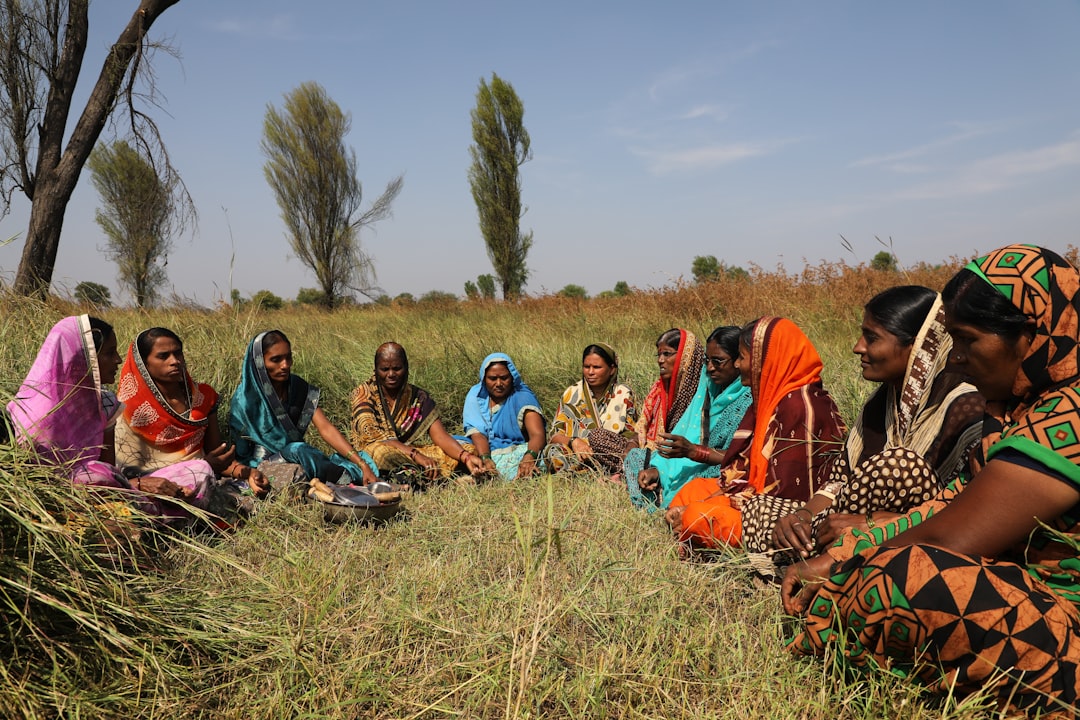
Kant emphasized that India’s economic future depends on fostering technology-driven, job-rich entrepreneurship, especially in rural areas. He stated that to grow India’s economy from $4 trillion to $30 trillion by 2047, large-scale entrepreneurship initiatives are needed. These initiatives can generate jobs in underdeveloped regions. Kant argued that the government cannot create all the jobs alone; private sector involvement is essential. This aligns with his support for the Next Bharat Ventures initiative by Suzuki Motor Corporation, which aims to help rural enterprises through funding, mentorship, and market linkages. Kant believes this model could create a scalable blueprint for sustainable livelihoods while strengthening India’s micro, small, and medium enterprises (MSME) sector.
Furthermore, Kant’s vision for rural entrepreneurship goes beyond job creation; it aims to empower communities. By investing in local businesses, companies can help build an ecosystem where innovation thrives and local talent is utilized. This approach not only meets CSR obligations but also aids in the country’s broader economic development. The focus on rural entrepreneurship is timely, as the Indian economy faces challenges from urban migration and the need for sustainable growth in less developed areas. A report by Uniindia highlights how technology in rural entrepreneurship can create new business models that address local issues and generate jobs.
The focus on rural entrepreneurship is timely, as the Indian economy faces challenges from urban migration and the need for sustainable growth in less developed areas.
Aligning CSR with Community Needs
Analysis shows that many CSR initiatives lack a clear focus on job creation. Many companies engage in CSR activities that do not connect with the local economic context, leading to poor outcomes. Kant’s call for a shift towards more impactful initiatives reflects the need for businesses to align their CSR strategies with community needs. This approach not only boosts CSR spending effectiveness but also fosters corporate accountability. Additionally, the increasing scrutiny on CSR spending effectiveness calls for companies to rethink how they approach their social responsibilities. Kant’s critique serves as a wake-up call for businesses to reevaluate their strategies and prioritize initiatives that provide real benefits to communities.
Collaboration for Greater Impact
To create meaningful social impact, Kant advocates for stronger partnerships between corporations and nonprofit organizations. He believes that these collaborations can improve the effectiveness of CSR initiatives by combining resources and expertise. Nonprofits often have a deep understanding of local communities and can identify pressing needs, while corporations can provide funding and infrastructure. This collaborative approach is vital to ensure CSR initiatives are well-funded and contextually relevant.
The Next Bharat Ventures initiative exemplifies this collaborative model, connecting promising entrepreneurs with resources to help them succeed. Kant’s vision for CSR emphasizes that companies should focus on creating shared value for society, not just compliance. This requires a commitment to long-term engagement with communities and a willingness to adapt strategies based on feedback and changing needs. Furthermore, Kant highlights the importance of measuring CSR spending effectiveness. Companies should use metrics to assess both financial contributions and the social impact of their initiatives. Research shows that without clear metrics, evaluating CSR program success and making necessary adjustments is difficult.
Future Directions for CSR in India
As companies recognize the importance of measurable impact, CSR managers have a chance to rethink their strategies. By focusing on job creation and community engagement, CSR initiatives can go beyond regulatory requirements and drive real change. The link between corporate success and community well-being underscores the need for a strategic CSR approach that prioritizes sustainable development and innovation.
The link between corporate success and community well-being underscores the need for a strategic CSR approach that prioritizes sustainable development and innovation.
This shift in focus benefits both communities and corporate interests. When companies invest in local economies and create jobs, they help build a stable business environment that can enhance long-term profitability. The potential for CSR initiatives to drive significant change is great, but it requires a commitment to innovation and collaboration. Companies willing to invest in rural entrepreneurship and partner with nonprofits can create lasting impacts that benefit both society and their bottom line.

Ultimately, the question remains: will Indian companies meet the challenge and redefine their CSR strategies to create meaningful jobs and social impact? The answer will shape the future of CSR in India and determine how much businesses can contribute to the nation’s economic growth.
Related Articles
- Central Europe Shifts Focus to China Amid German Slump
Written by Career Ahead AI. AI can make mistakes, so verify key facts. Report errors to support@careeraheadonline.com.