No products in the cart.

Cultural Entrepreneurship: The Fusion of Art and Commerce

Cultural entrepreneurship is redefining how artists and startups engage with the market, blending creativity with commerce for impactful innovations.

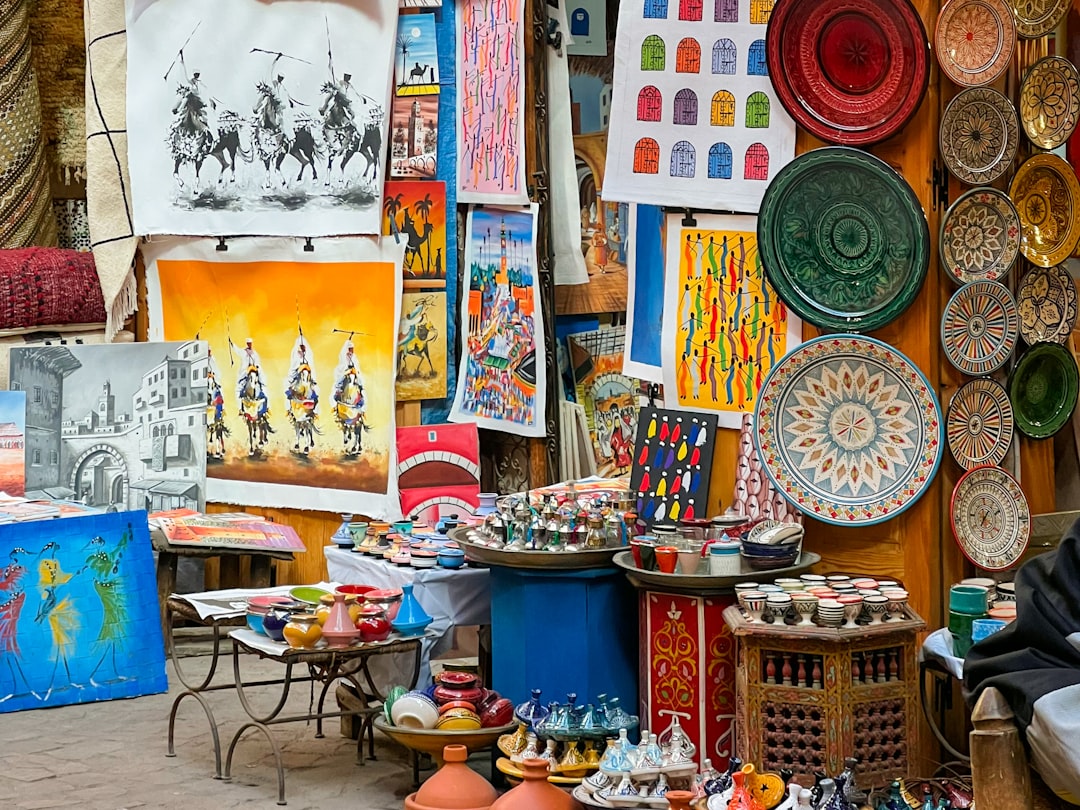
Los Angeles, USA — In an era where creativity meets commerce, cultural entrepreneurship is emerging as a vital force in the global economy. Artists and startups are increasingly integrating artistic vision with business acumen, reshaping the landscape of traditional entrepreneurship.
The past decade has seen a significant shift in how art is consumed and monetized. With the rise of digital platforms, artists now have unprecedented access to global markets. According to a 2023 report by Statista, the global market for arts and culture is projected to reach $1 trillion by 2025[1]. This growth is not just fueled by traditional art sales but also by innovative models that leverage technology and social media.
The blending of art and technology has birthed new genres of cultural entrepreneurship. Take the example of NFTs, or non-fungible tokens, which have revolutionized the way digital art is bought and sold. In March 2021, digital artist Beeple sold an NFT for $69 million at Christie’s, marking a watershed moment that ignited interest across industries[2]. This event exemplified how digital assets can provide new revenue streams for artists while creating a buzz in the financial markets.
 Career Advice
Perfectionism: A Double-Edged Sword in Career Development
Perfectionism can be a double-edged sword in your career. Learn how to harness its benefits while mitigating its drawbacks.
Read More →Moreover, platforms like Patreon and Kickstarter have empowered creators to monetize their work directly from fans, bypassing traditional gatekeepers like galleries and record labels. This democratization of revenue streams has led to a surge in independent artists who can sustain themselves financially without compromising their creative integrity.
Moreover, platforms like Patreon and Kickstarter have empowered creators to monetize their work directly from fans, bypassing traditional gatekeepers like galleries and record labels.
The Role of Technology in Cultural Entrepreneurship
Technology serves as the backbone of this new wave of cultural entrepreneurship. Artists are utilizing social media not just for promotion, but as a vital tool for engagement. According to Hootsuite’s 2023 Digital Trends report, 79% of marketers believe that user-generated content is the most effective form of advertising[3]. This statistic underscores the importance of community and interaction in the digital age.
Moreover, advancements in technology have enabled artists to collaborate across borders, creating a global network of cultural exchange. For instance, platforms like Zoom and Discord have facilitated virtual collaborations, allowing artists to work together regardless of geographic constraints. This global perspective enriches the creative process and broadens the reach of cultural projects.
Challenges and Opportunities Ahead
However, this burgeoning field is not without its challenges. As the market expands, so does competition. New entrepreneurs must navigate a complex landscape of intellectual property rights, digital security, and market saturation. Cybersecurity, in particular, has become a pressing concern. The FBI reported a 300% increase in reported cybercrime incidents since the pandemic began, with artists and startups being prime targets due to their often-weak digital infrastructures[4].
 AI
AIAI’s Transformative Role in BRICS Economies: Shaping Tomorrow’s Careers
AI is reshaping careers in BRICS nations, creating new opportunities and driving job mobility. Discover the future landscape of work.
Read More →Additionally, the volatility of the NFT market raises questions about sustainability. While some artists have profited immensely, others have faced significant losses. A report from NonFungible.com indicated that the NFT market saw a decline of 92% in trading volume from its peak in 2021 to 2022[5]. This volatility necessitates a cautious approach for new entrants looking to capitalize on this trend.
Looking Forward: Navigating the Future of Cultural Entrepreneurship
As we look to the future, cultural entrepreneurship offers both immense potential and substantial risks. The key for artists and startups will be to harness the power of technology while remaining adaptable to changing market dynamics. Emphasizing collaboration and community engagement will be crucial in building sustainable models that can weather economic fluctuations.
Moreover, advancements in technology have enabled artists to collaborate across borders, creating a global network of cultural exchange.
Ultimately, the fusion of art and commerce is not just a trend; it is a redefinition of what it means to be an entrepreneur in the creative sector. By embracing innovation and prioritizing security, the next generation of cultural entrepreneurs can not only thrive but also contribute meaningfully to the global economy.