No products in the cart.

Custom Chips Transform Tech: OpenAI, SpaceX Lead Charge
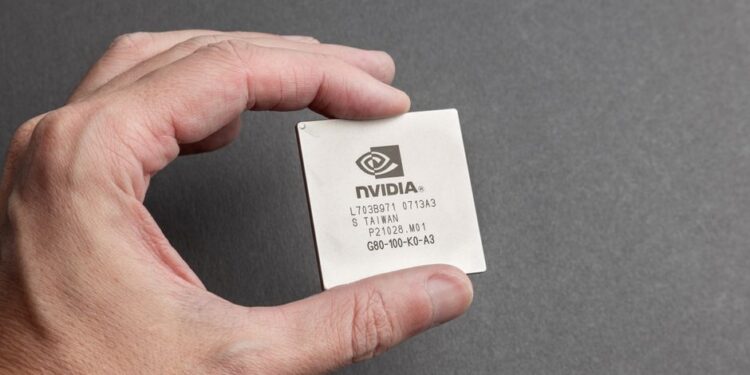
OpenAI and SpaceX are leading a significant shift in the tech landscape by developing custom chips, challenging Nvidia's dominance and creating new opportunities for engineers and startups.

OpenAI and SpaceX are making headlines with their new custom chip development. This marks a big change in the tech landscape. Both companies want to reduce their reliance on Nvidia, a major player in the AI chip market. This move shows their strategic goals and a trend towards custom silicon solutions for AI and machine learning.
OpenAI recently introduced its custom inference chip called Jalapeño. It was developed with Broadcom. This chip is part of a larger effort to gain control over the hardware that powers AI applications. This will enhance performance and efficiency. SpaceX also plans to create its own chips to optimize systems for space and satellite operations. This trend of in-house chip design will reshape the AI hardware market.
Rethinking Partnerships in AI Hardware
The shift to custom chip development raises questions about existing partnerships, especially with Nvidia. Many AI companies have relied on Nvidia’s GPUs for machine learning. However, as OpenAI and SpaceX create their own chips, these partnerships may change.
A report by RobotToday states that this trend is driven by the need for tailored solutions. Custom chips can optimize performance, reduce latency, and lower costs associated with third-party hardware. As more companies follow this path, Nvidia may face increased competition. They might need to innovate or adjust prices to keep clients.
This move could also lead to a fragmented AI hardware market. Startups and established firms are investing in custom chip development. The industry may see more specialized hardware solutions for specific applications. This fragmentation could benefit software engineers, who will need to adapt their skills to various hardware platforms.
This fragmentation could benefit software engineers, who will need to adapt their skills to various hardware platforms.
Career Ahead analysis shows that as companies like OpenAI and SpaceX focus on custom silicon, the demand for hardware engineers will likely rise. This shift offers engineers a chance to expand their skills and take on roles that require a deeper understanding of hardware-software integration.
Additionally, the focus on custom chips aligns with a trend of vertical integration in tech startups. By controlling both hardware and software, companies can create cohesive products that meet specific market needs. This approach may enhance performance and speed up innovation cycles.
The Implications for Software Engineering and AI Development
The rise of custom chips has important implications for software engineering in AI. As hardware becomes more specialized, software engineers must adapt their practices. They will need to optimize applications for these new platforms. This may involve rethinking algorithms and optimizing code for specific chip architectures.
According to TechJournal, designing software that fully uses custom chips could set companies apart in the AI space. This shift will require engineers to stay updated on hardware developments and understand how to integrate these innovations into existing systems.
However, integrating custom chips also brings challenges. Software engineers may face compatibility issues with existing frameworks and tools. They may need to reevaluate their development environments. As more companies create their own chips, the variety of architectures could complicate the software ecosystem. Engineers will need to be versatile and adaptable.
They may need to reevaluate their development environments.
The trend towards custom chip development may also create new job opportunities in tech. Companies will likely seek engineers with both hardware and software skills. This demand could lead to a competitive job market. Candidates will need to show proficiency in both areas to secure positions.
As the landscape evolves, engineers who understand the intersection of hardware and software will be better positioned to succeed. Bridging the gap between these domains will become increasingly valuable as companies like OpenAI and SpaceX innovate.
In summary, the push for custom chip development by leading tech companies represents a significant shift in the AI hardware landscape. As this trend unfolds, it will change partnerships, influence software engineering practices, and create new opportunities for engineers and startups.
Looking ahead, the future of AI hardware development will likely see more competition and innovation as companies embrace custom solutions. The question remains: how will established players like Nvidia respond to this trend, and what will it mean for the tech ecosystem?
Frequently Asked Questions
What skills do hardware engineers need to develop custom chips?
Hardware engineers need a strong foundation in computer architecture, digital design, and circuit design. They should also know hardware description languages like VHDL or Verilog. Experience in simulation and testing is essential too.
Startup founders should build partnerships with chip manufacturers and invest in talent skilled in custom chip design.
How should startup founders adapt to the shift in chip development?
Startup founders should build partnerships with chip manufacturers and invest in talent skilled in custom chip design. Understanding the hardware needs of their applications is crucial for developing competitive products.

What impact will custom chips have on software engineering in AI?
Custom chips will require software engineers to optimize applications for specific hardware architectures. This may involve adapting algorithms and leveraging unique hardware features for better performance and efficiency.
Written by Career Ahead AI. AI can make mistakes, so verify key facts. Report errors to support@careeraheadonline.com.