No products in the cart.

DA Merger Fuels Salary Hikes for Government Employees

The 8th Pay Commission is set to reshape government salaries through a DA merger and revised fitment factors. Understanding these changes is crucial for employees anticipating salary adjustments.

India’s 8th Pay Commission is reviewing major changes to salary structures for government employees. One key proposal is merging the Dearness Allowance (DA) with basic pay. This could lead to significant salary increases. The commission is currently consulting various employee groups nationwide to finalize its recommendations.
The 8th Pay Commission aims to tackle economic challenges faced by public sector workers. Recent estimates suggest salary increases could range from 20% to 80%. This will depend on final decisions about the DA merger and fitment factors. This news is crucial for over one crore individuals, including central government employees and pensioners.
Impact of the DA Merger on Salaries
The DA merger is a vital part of the 8th Pay Commission’s review. Career Ahead’s analysis indicates that merging DA with basic pay is essential for salary adjustments. The DA helps offset inflation, and integrating it into basic pay will ensure fair compensation for public sector workers amid rising living costs.
According to indianpaycalculator.in, the DA merger will directly affect other financial components like pension contributions, provident fund, and gratuity calculations. As the DA increases, so will basic pay, leading to higher overall compensation for employees.
Moreover, the DA merger aims to meet long-standing demands from employee groups for a fairer pay structure. Inflation disproportionately affects lower-income groups, making this merger a necessary step for improving financial stability. The National Council – Joint Consultative Machinery (NC-JCM) has strongly advocated for this change, noting that DA rates have not kept pace with rising costs since the last pay commission.
A successful merger is expected to provide financial relief and enhance job satisfaction and loyalty among government employees.
As discussions continue, the DA merger’s effects go beyond immediate salary increases. It may also boost employee morale, as many have pushed for better compensation. A successful merger is expected to provide financial relief and enhance job satisfaction and loyalty among government employees.
Changes in Fitment Factor Calculations
The fitment factor is another crucial element under review by the 8th Pay Commission. This factor is a multiplier used to convert an employee’s old basic salary into the new pay structure. Current estimates suggest the fitment factor could range from 2.28 to 3.83, significantly impacting salary calculations for government employees.
Career Ahead research shows that adjusting the fitment factor will be key in determining final salary outcomes. A higher fitment factor means a larger increase in basic pay, amplifying the effects of the DA merger. For example, if the fitment factor is set at 3.0, an employee with a basic salary of ₹30,000 could see their revised salary rise to ₹90,000, assuming the DA is also merged.
Additionally, fitment factor calculations will influence allowances like House Rent Allowance (HRA) and Travel Allowance (TA). These allowances are often linked to basic salary, so any increase in the fitment factor will lead to higher allowances. The NC-JCM has called for a revision of HRA rates, arguing they have not changed since 2017, despite rising rental costs.
New Allowances for Public Sector Workers
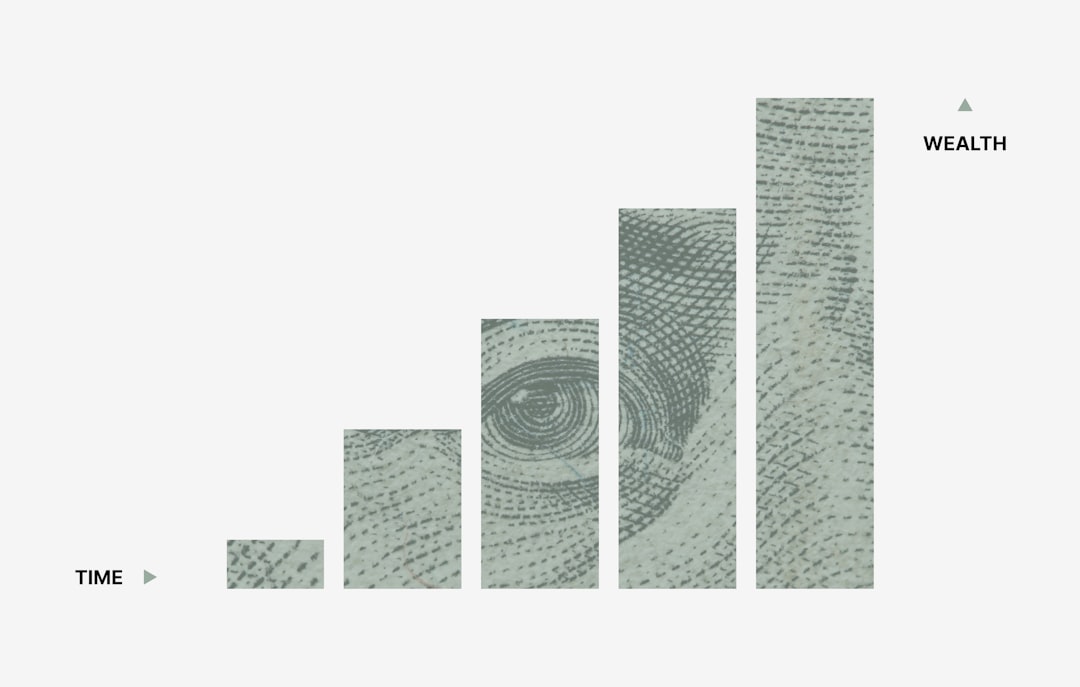
As the commission finalizes its recommendations, the fitment factor will be a key topic in discussions with employee groups. A well-calibrated fitment factor is expected to enhance salaries and help government employees manage daily financial pressures.
New Allowances for Public Sector Workers
Alongside the DA merger and fitment factor, the 8th Pay Commission is considering new allowances for public sector workers. This includes potential increases in HRA and TA, which are vital for employees facing high living costs. The NC-JCM has proposed raising HRA rates to reflect current market conditions, suggesting 36% for X category cities, 24% for Y category cities, and 12% for Z category cities.
Career Ahead’s analysis shows that these proposed changes in allowances are significant. They will directly impact the take-home pay of government employees. Many workers are struggling with rising rents and transportation costs, making these adjustments timely and necessary. The last major revision of HRA was in 2017, leaving many employees unable to keep up with inflation.
The 8th Pay Commission’s focus on allowances shows a broader understanding of employee needs in today’s economy. As the commission engages with stakeholders, the emphasis on practical financial support is expected to resonate with public sector workers.
Public sector workers can expect potential salary hikes of 20-80% based on final decisions regarding the DA merger and fitment factor.
As the recommendations are finalized, the government must consider both economic implications and employee morale. A comprehensive compensation package that meets employee needs will be crucial for maintaining productivity and job satisfaction.
The 8th Pay Commission’s recommendations are expected by May 2027, but preliminary announcements could come as early as February. Stakeholders eagerly await how these changes will impact the financial landscape for government employees.
Frequently Asked Questions
What is the DA merger and how does it affect my salary?
The DA merger involves combining the Dearness Allowance with the basic pay for government employees. This change is expected to significantly increase overall salaries, as the DA helps offset inflation and its merger will raise the base salary for various calculations.
What changes can public sector workers expect from the 8th pay commission?
Public sector workers can expect potential salary hikes of 20-80% based on final decisions regarding the DA merger and fitment factor. Additionally, new allowances like HRA and TA are under review, which could further enhance take-home pay.

How should government employees prepare for the upcoming salary changes?
Government employees should stay informed about developments from the 8th Pay Commission. Understanding how the DA merger and fitment factor will affect their salaries can help them anticipate changes in their financial situations.
Related Articles
- China’s $119 Billion Answer to Sagging Investment Is Coming Late
- Dormant Foreign Bank Account Disclosure Deadline Approaches
Written by Career Ahead AI. AI can make mistakes, so verify key facts. Report errors to support@careeraheadonline.com.