No products in the cart.

Data Center Pollution Threatens Engineers’ Health and Wallets

Air pollution from data centers is projected to increase healthcare costs by $20 billion annually by 2028. Data center engineers and environmental health specialists face urgent challenges as regulations tighten and public health concerns grow.

Air pollution from gas-fired power plants that support data centers is projected to add at least $20 billion in annual healthcare costs by 2028. This alarming forecast highlights the urgent need for data center engineers and environmental health specialists to tackle the health risks from emissions.
As the demand for data processing increases, so does the environmental impact of data centers. The rise of AI technologies is driving rapid expansion, often harming air quality. These emissions have serious implications for public health and operational costs for companies in this sector.
Healthcare Costs Linked to Data Center Emissions
Career Ahead analysis shows that the projected $20 billion rise in healthcare costs is due to various health issues linked to air pollution. These include respiratory diseases, cardiovascular problems, and other serious conditions from long-term exposure to polluted air. The Central Pollution Control Board (CPCB) of India notes that emissions from data centers significantly worsen air quality in urban areas, especially in cities like Delhi.
CPCB data reveals that the concentration of particulate matter (PM2.5) in Delhi often exceeds safe levels. Data centers powered by fossil fuels are major contributors to this pollution. The health risks from these emissions are especially concerning for vulnerable groups, like children and the elderly, who are more affected by air pollution.
Environmental health specialists are warning about the long-term health risks. They urge data center operators to adopt cleaner technologies. The need for a shift to renewable energy sources is becoming clear. Data center engineers must proactively implement sustainable practices to reduce these risks.
Ignoring these health risks can lead to significant financial consequences. Companies may face rising healthcare costs, potential fines for non-compliance with new regulations, and damage to their reputations. The financial burden from healthcare costs linked to pollution could ultimately impact the bottom line for many organizations.
The need for a shift to renewable energy sources is becoming clear.
Regulatory Changes and Their Impact on Operations
You may also like
 Industry & Global Trends
The Economic Implications of Agentic AI Development
The rise of agentic AI is reshaping economic models and strategies globally, prompting organizations to adapt their approaches to AI integration and workforce management.
Read More →As awareness of the health risks from data center emissions grows, regulatory bodies are starting to take action. New regulations to reduce emissions from data centers are being proposed and implemented globally. For example, India is tightening environmental regulations, focusing on stricter emission standards for industries, including data centers.
Career Ahead research indicates that these regulatory changes will significantly impact operational costs for data center engineers. Compliance with new standards may require substantial investments in cleaner technologies and processes. Engineers must stay informed about these regulations to ensure compliance and avoid penalties.
Additionally, data centers may need to invest in advanced air filtration systems and renewable energy sources. While these investments may be high upfront, they could lead to long-term savings by reducing healthcare costs and improving air quality. Transitioning to cleaner energy sources, like wind and solar, benefits the environment and aligns with the growing demand for sustainable practices in data center management.
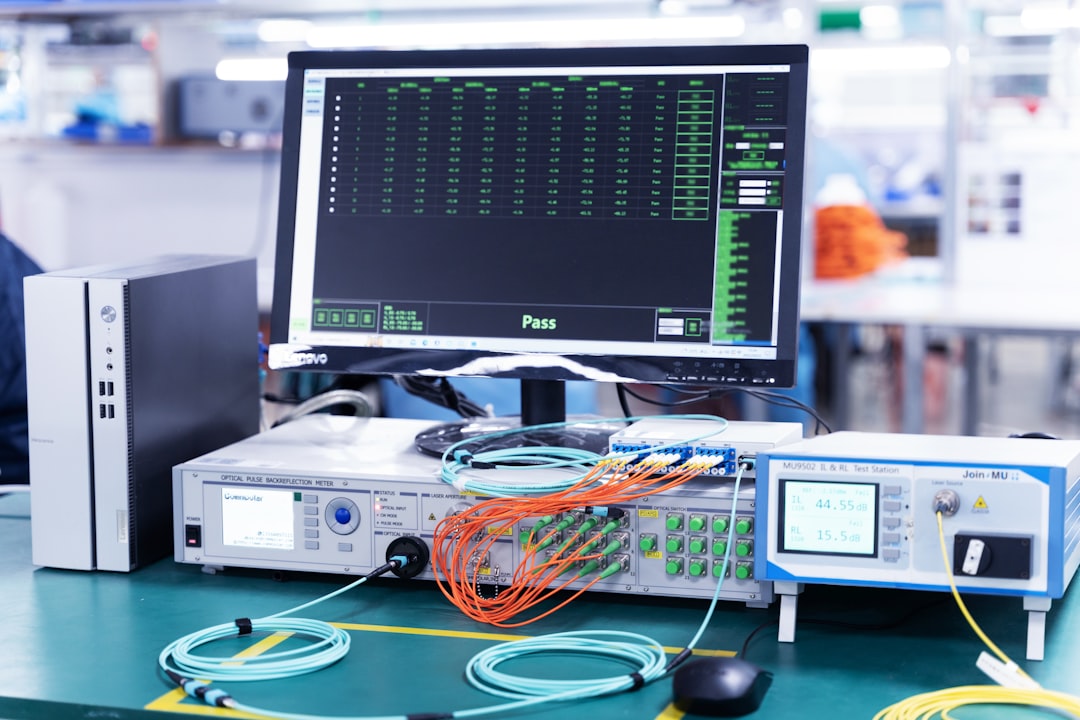
By working together, they can create strategies that meet regulatory requirements and protect public health.
Environmental health specialists stress the importance of collaboration between data center engineers and regulatory agencies. By working together, they can create strategies that meet regulatory requirements and protect public health. This collaboration could lead to innovative solutions that benefit both the industry and surrounding communities.
Emerging Technologies for Cleaner Data Centers
In response to pollution concerns, several emerging technologies are being developed to create cleaner data centers. Innovations like liquid cooling systems, energy-efficient servers, and renewable energy integration are gaining traction. These technologies reduce emissions and improve energy efficiency, which is crucial as data centers consume large amounts of electricity.
Career Ahead analysis shows that adopting these technologies can significantly lower operational costs over time. For example, liquid cooling systems enhance cooling efficiency, reducing the need for energy-intensive air conditioning. As data center engineers explore these options, they must evaluate the cost-benefit ratio of implementing new technologies.
You may also like
 Industry & Global Trends
Fixed Income Trends Shaping Investment Strategies
Insight Investment’s Murphy highlights key trends in fixed income investing, emphasizing the impact of rising interest rates and market volatility. Investors must adapt their strategies…
Read More →Moreover, integrating AI and machine learning into data center operations can optimize energy use and reduce waste. These technologies analyze data in real-time, allowing engineers to make informed decisions that minimize environmental impact. As the industry moves toward greater sustainability, engineers must develop skills in these emerging areas to stay competitive.
Ultimately, the shift toward cleaner data centers is not just a regulatory requirement but a market demand. Companies prioritizing sustainability will likely gain a competitive edge, attracting clients who care about environmental responsibility. Thus, data center engineers must adapt to these changes and embrace new technologies.
As data center operations evolve, the intersection of health, technology, and regulation will grow more significant. The need for sustainable practices is not just a trend but a necessity for the industry’s future. How data center engineers respond to these challenges will shape operations and public health.
The need for sustainable practices is not just a trend but a necessity for the industry’s future.
Frequently Asked Questions
What are the health risks associated with data center emissions?
Data center emissions contribute to air pollution, leading to serious health issues like respiratory diseases and cardiovascular problems. Vulnerable groups, including children and the elderly, are particularly at risk.
How can data center engineers mitigate pollution?
Data center engineers can reduce pollution by adopting cleaner technologies, such as energy-efficient servers and renewable energy sources. Advanced air filtration systems can also help improve air quality.
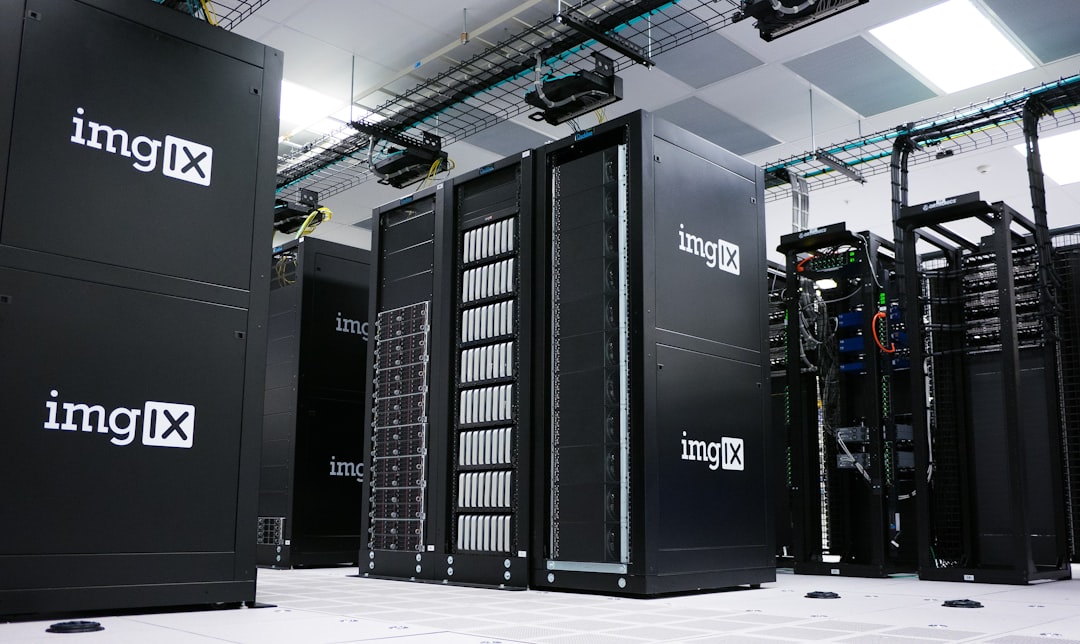
What should environmental health specialists do about data center air quality concerns?
Environmental health specialists should work with data center operators to create strategies that reduce emissions and comply with regulations. They can also advocate for sustainable practices within the industry.
You may also like
 Industry & Global Trends
John Lewis losses widen to £124m as shopper confidence dips
The John Lewis Partnership operates 36 department stores and over 300 Waitrose supermarkets. Jason Tarry, the chair of the partnership, said the trading environment is…
Read More →