No products in the cart.

Datacentres Threaten AI’s Promised Benefits

Nicki Hutley highlights that this rapid growth in data centers could exacerbate the climate crisis. The Australian Prudential Regulation Authority has even warned banks about the escalating cybersecurity risks associated with AI, which adds another layer to the ongoing debate about the costs versus benefits of this technological…

Data centers are under increasing scrutiny as demand for artificial intelligence (AI) grows. There are over 10,000 operational data centers worldwide. Their energy consumption is expected to triple by 2030, raising concerns about environmental sustainability. This is especially relevant in Australia, where the government supports AI investments but faces environmental costs.
Nicki Hutley warns that the rapid growth of data centers could worsen the climate crisis. The Australian Prudential Regulation Authority has cautioned banks about rising cybersecurity risks linked to AI. This adds to the debate about the costs and benefits of this technological boom. Hutley discusses the significant economic, environmental, and social effects of the data center investment surge in her analysis for The Guardian.
The Environmental Impact of Data Centers
Data centers are known for their high energy and water use. They consume about 3% of the world’s electricity, and this number is expected to rise as AI technologies demand more power. Hutley notes that Australia could see its data center energy consumption triple by 2030, creating challenges for a country already facing climate issues. This increase in energy demand is a global concern that could impede efforts to meet international climate goals.
The waste heat from these facilities is also a major issue. While it can be reused for heating in colder areas, in Australia, it contributes to rising temperatures. Many data centers still depend on fossil fuels, which hampers the shift to renewable energy. A report by IT Pro warns that the data center industry faces a “ticking power time bomb” due to its growing reliance on non-renewable energy sources.
Career Ahead’s analysis shows that the environmental impact of data centers is a global issue. As countries aim to meet climate goals, the energy needs of data centers could slow progress. The urgency for sustainable practices is greater than ever. Data center engineers must now focus on energy-efficient technologies and methods. The looming e-waste crisis, highlighted by Data Center Knowledge, adds to this urgency, as outdated equipment harms the environment.
Career Ahead’s analysis shows that the environmental impact of data centers is a global issue.
You may also like
 Industry & Global Trends
US Employers Cut Hiring, Wage Growth Stalls | Career Outlook
The implications of this hiring slowdown are profound. With fewer positions available, job seekers face increased competition for roles, while HR managers must rethink their…
Read More →As AI evolves, data centers will feel more pressure to adopt greener technologies. This presents an opportunity for cloud infrastructure managers to lead in energy-efficient solutions. By using new technologies, they can reduce their operations’ environmental impact. Integrating AI into data center management can optimize energy use, enabling real-time adjustments that cut waste and improve efficiency.
Sustainable Practices in AI and Data Centers
To reduce their environmental impact, data center engineers and cloud infrastructure managers are exploring sustainable practices. These include optimizing cooling systems, using renewable energy, and implementing advanced energy management systems. Some data centers now use AI to optimize power usage, leading to significant energy savings. This approach reduces costs and aligns with global sustainability goals.
Hutley stresses that governments and industry leaders must rethink their approach to data centers. They should not view them only as infrastructure. A comprehensive cost-benefit analysis that considers environmental impact is necessary. This shift could promote accountability and encourage sustainable practices. Blue Community reports that the economic effects of data centers go beyond energy use; they also impact local economies and job markets, requiring a broader discussion about their societal role.
Career Ahead research indicates that regulatory compliance will become more important as governments impose stricter energy use regulations. Data center operators must prepare by investing in technologies that enhance efficiency and ensure compliance. The changing regulatory landscape will require data centers to adopt more transparent practices, which could build public trust and support.
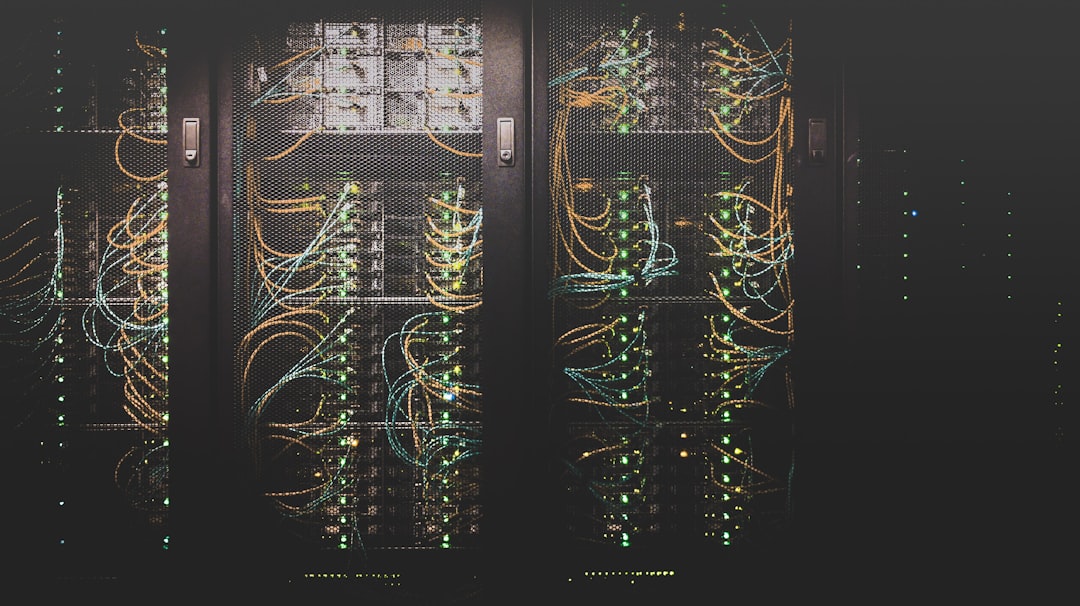
Career Ahead research indicates that regulatory compliance will become more important as governments impose stricter energy use regulations.
AI ethicists also play a vital role in this landscape. They must advocate for responsible AI use, ensuring that AI benefits do not harm environmental sustainability. By working with data center engineers, they can help shape policies that prioritize both technological advancement and ecological responsibility. The intersection of AI and data center operations presents challenges and opportunities. As AI demand grows, the industry must adapt to ensure that its benefits do not come at an unsustainable environmental cost.
You may also like
 Industry & Global Trends
Triyoga’s Crisis: Unpaid Instructors, Financial Struggles
Triyoga, once a favorite among celebrities and fitness enthusiasts, faced significant financial challenges leading to its downfall. Instructors reported that they had not received their…
Read More →As the AI boom continues, data centers must balance growth with sustainability. Increased scrutiny from regulators and the public will push data center operators to rethink their strategies. This could lead to a new era of innovation, where energy efficiency is central to data center design and operation. As AI technologies advance, they may offer new solutions for energy management and sustainability. For instance, AI could help predict energy demand more accurately, allowing data centers to optimize energy use in real-time. Such innovations could greatly reduce their environmental footprint.
In conclusion, the future of data centers is full of challenges but also opportunities. As pressures rise to cut energy consumption and emissions, how data center engineers and cloud infrastructure managers respond will shape the industry’s future and the environment.
Frequently Asked Questions
What are the best practices for sustainable data center management?
Career Ahead analysis shows that sustainable data center management includes optimizing cooling systems, using renewable energy, and implementing energy-efficient technologies. These practices help minimize environmental impact while maintaining operational efficiency.
Career Ahead analysis shows that sustainable data center management includes optimizing cooling systems, using renewable energy, and implementing energy-efficient technologies.
How can AI ethicists ensure responsible AI deployment in data centers?
AI ethicists can advocate for policies that prioritize sustainability and promote responsible AI use. By collaborating with data center engineers, they can help ensure that AI technologies are developed and deployed with environmental considerations in mind.

What should cloud infrastructure managers do to prepare for stricter regulations on energy use?
Cloud infrastructure managers should invest in energy-efficient technologies and stay informed about emerging regulations. This proactive approach will help ensure compliance and position their operations as leaders in sustainability.
You may also like
 Industry & Global Trends
What is happening to the Indian IT bench? | Explained | Career Outlook
India's IT sector is undergoing significant changes in its bench policies, impacting job security and project allocation for IT professionals. Major firms are tightening their…
Read More →