No products in the cart.

Decoding Culture: How Brands Leverage AI for Global Marketing

Global brands are increasingly turning to AI to decode cultural nuances and enhance their marketing strategies. This analysis explores the implications for businesses.

New York, USA — Global brands are increasingly harnessing artificial intelligence (AI) to navigate the complexities of cultural sentiment. As consumer preferences evolve, understanding local nuances is no longer just an asset; it’s a necessity. Companies like Coca-Cola and Unilever are employing sophisticated AI tools to analyze social media sentiment and tailor their marketing strategies accordingly.
This trend is particularly relevant as businesses seek to connect authentically with diverse audiences. In a world where consumers demand personalization, leveraging AI for cultural insights can significantly enhance engagement and brand loyalty.
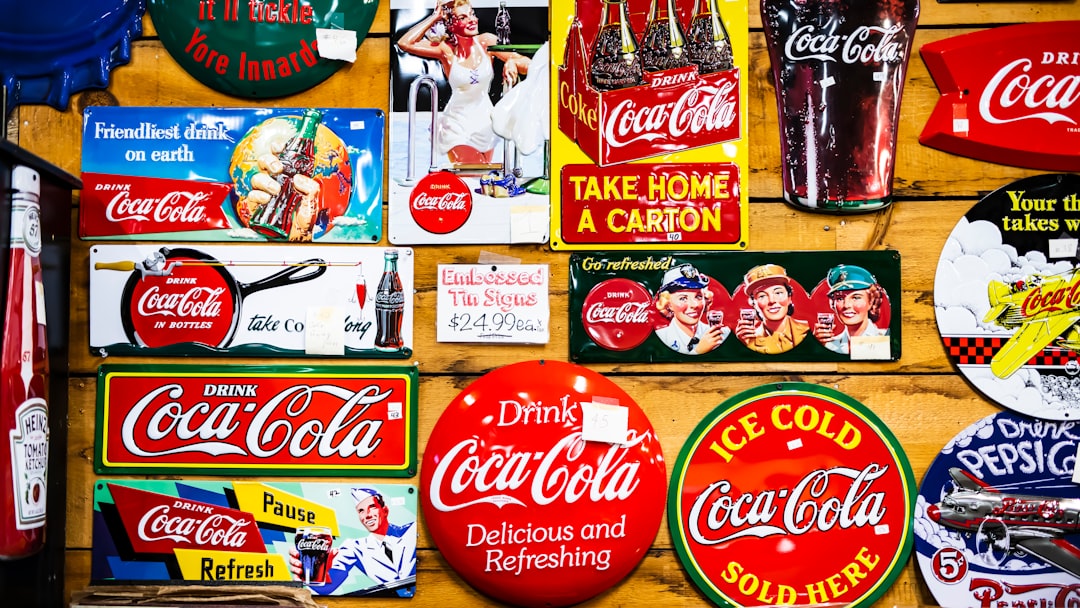
AI-driven sentiment analysis tools allow brands to sift through vast amounts of data, identifying trends and sentiments that inform marketing strategies. For instance, Coca-Cola’s recent campaign in India utilized AI to analyze social media conversations around the festival of Diwali. By understanding local customs and sentiments, the company tailored its messaging to resonate deeply with consumers, resulting in a 30% increase in engagement compared to previous campaigns.
 Current Affairs
Presidency University Alumni Push for Entrance Tests for All Departments
On Founder's Day, alumni from Presidency University advocate for entrance tests across all departments, stirring debate among faculty and students.
Read More →Localization strategies have become critical in global marketing. According to a 2023 report by McKinsey, brands that effectively localize their content can see up to 25% higher conversion rates. This is particularly important in regions with distinct cultural identities, such as Southeast Asia and the Middle East, where consumer behavior can vary widely.
Localization strategies have become critical in global marketing.
Moreover, AI tools are not just about data crunching. They also facilitate creative processes. For example, Unilever’s Dove brand used AI to analyze beauty standards across different cultures, leading to the creation of a campaign that celebrates diverse beauty. This initiative not only enhanced brand image but also fostered a sense of community among consumers.
However, the use of AI in understanding culture is not without challenges. Ethical considerations arise when brands attempt to interpret and represent cultural sentiments. Misinterpretations can lead to backlash, as seen in the case of a recent advertisement by a major clothing retailer that was criticized for cultural appropriation. This highlights the importance of employing local experts alongside AI tools to ensure authenticity in messaging.
As companies continue to integrate AI into their marketing strategies, the implications for workforce development are significant. A 2022 survey by the World Economic Forum found that 85 million jobs may be displaced by AI by 2025, but 97 million new roles could emerge, particularly in fields requiring digital literacy and cultural competence. This shift underscores the need for educational institutions to adapt curricula that prepare students for the evolving job landscape.
 Emerging Markets
India-US Trade Deal Sparks New Investment Strategy for Indian Stock Market
The 2025 India-US trade agreement is prompting Indian investors to recalibrate stock market strategies as export policies and bilateral trade…
Read More →Looking ahead, the intersection of AI and cultural understanding will likely redefine marketing landscapes. As technology advances, brands will have to navigate the fine line between personalization and privacy. Consumers are increasingly aware of data usage, and brands must prioritize transparency to build trust.
Moreover, the future of AI in marketing will hinge on its ability to foster genuine connections. As brands leverage AI to understand cultural nuances, they must remain vigilant about the human aspect of marketing. Authenticity will be key; consumers are drawn to brands that reflect their values and understand their cultural contexts.
This shift underscores the need for educational institutions to adapt curricula that prepare students for the evolving job landscape.
In this rapidly evolving landscape, the brands that succeed will be those that not only utilize AI to analyze data but also embrace the stories and emotions that drive consumer behavior. The challenge lies in ensuring that technology enhances rather than overshadows the human experience. As we move forward, the question remains: how will brands balance technological advancements with the need for authentic cultural engagement?