No products in the cart.

Delta Electronics Fuels India’s Energy Transition and AI
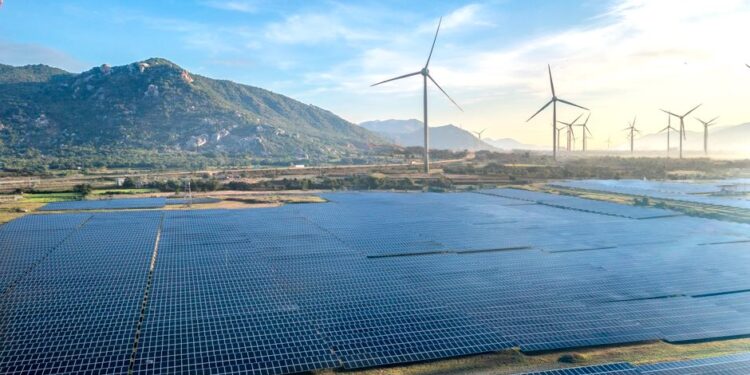
Delta Electronics' recent meeting with PM Modi emphasizes a strategic partnership aimed at advancing India's energy transition and AI capabilities. This collaboration is set to create new job opportunities in the energy sector, particularly for engineers and AI researchers.

India — Delta Electronics recently met with Prime Minister Narendra Modi. They discussed the company’s ambitious plans for the next decade. The focus is on energy transition and AI infrastructure. This meeting shows Delta’s commitment to enhancing India’s digital and industrial capabilities. The talks included investments in renewable energy, AI data centers, and smart manufacturing. This highlights India’s role in Delta’s global growth strategy.
Delta Electronics is a leader in power and energy management. The company plans to expand local manufacturing and invest in new technologies. These include hydrogen energy and Solid Oxide Fuel Cell (SOFC) systems. This initiative aligns with the Indian government’s goals for clean energy and sustainability. It will create a better environment for innovation and job creation.
Investment in Renewable Energy Technologies
Delta Electronics is committed to renewable energy. The company plans to invest heavily in hydrogen energy technologies and SOFC systems. These technologies are key for reducing carbon emissions and moving to cleaner energy sources. As India aims to boost its renewable energy capacity, Delta’s involvement will enhance the country’s energy infrastructure.
According to renewablewatch.in, Delta’s investments will help India reach its goal of generating 450 GW of renewable energy by 2030. This ambitious target needs significant technological advancements and infrastructure investment, where Delta excels. The company’s local manufacturing facilities will produce essential components, boosting domestic capabilities and reducing reliance on imports.
Integrating SOFC and Solid Oxide Electrolyser Cell (SOEC) technologies will help produce cleaner energy. It will also create many job opportunities. Delta’s R&D centers in Bengaluru and Gurgaon will develop these technologies, ensuring skilled engineers and researchers lead this transition.
Delta’s R&D centers in Bengaluru and Gurgaon will develop these technologies, ensuring skilled engineers and researchers lead this transition.
Career Ahead’s analysis shows that demand for energy transition engineers will rise as Delta grows in India. Engineers with expertise in renewable energy technologies, especially hydrogen systems, will be in high demand. This trend will continue as India works to meet its renewable energy targets.
AI Applications in Energy Management Systems
Delta Electronics is also focusing on AI applications in energy management systems. Integrating AI into energy infrastructure can optimize consumption, enhance efficiency, and lower costs. Delta plans to establish AI data centers in India. These centers will support smart energy management solutions, crucial for managing complex energy systems.
Tracxn.com highlights that Delta’s AI initiatives will create specialized roles for AI researchers and data scientists in the energy sector. These professionals will develop algorithms and systems to analyze vast data, improving energy efficiency and reliability.
The collaboration between Delta and the Indian government shows a trend towards public-private partnerships. These partnerships aim to accelerate technological advancements. They are expected to foster innovation in AI and energy management, affecting various industries. As companies adopt AI-driven solutions, the need for skilled professionals will grow.
Career Ahead research indicates that AI researchers in India should align their work with government initiatives. This alignment can help them access funding and support for innovative projects. By doing so, they can enhance their career prospects and contribute to the country’s energy transition goals.
Career Ahead research indicates that AI researchers in India should align their work with government initiatives.
Potential Job Creation in the Energy Sector
The partnership between Delta Electronics and the Indian government will create many job opportunities in the energy sector. With Delta’s focus on local manufacturing and advanced technologies, it will become a major employer in renewable energy.
According to deltaelectronicsindia.com, Delta operates multiple manufacturing plants and R&D centers across India. This positions the company to hire a diverse range of professionals. These include engineers, technicians, and researchers who will drive energy transition and AI initiatives.
As Delta expands, Career Ahead analysis finds that job openings for energy transition engineers will increase. This is especially true for roles related to hydrogen energy and AI applications. The demand for skilled workers in these areas will rise as companies enhance their clean energy capabilities.
Moreover, the Indian government’s support for Delta’s initiatives shows a commitment to building a skilled workforce in the energy sector. This collaboration will provide training and development opportunities for young professionals. It ensures they have the skills needed to thrive in this evolving landscape.
As the energy transition accelerates, educational institutions will need to adapt their curricula to prepare students for the emerging job market.
This partnership highlights the potential for job creation in the energy sector. It also emphasizes the importance of aligning educational programs with industry needs. As the energy transition accelerates, educational institutions will need to adapt their curricula to prepare students for the emerging job market.
As Delta Electronics and the Indian government move forward, the future of energy transition and AI in India looks bright. This collaboration signals a shift towards a more sustainable and advanced energy landscape. The implications for job seekers and professionals in these fields are significant.
Frequently Asked Questions
What new technologies will energy transition engineers need to learn?
Energy transition engineers should focus on hydrogen energy technologies, Solid Oxide Fuel Cells (SOFC), and AI applications in energy management systems. These areas are critical as India aims to enhance its renewable energy capacity and efficiency.
How can AI researchers align their work with government initiatives?
AI researchers can align their work with government initiatives by focusing on projects that support energy transition goals. Collaborating with companies like Delta Electronics can provide access to funding and resources for innovative AI solutions in the energy sector.
What opportunities exist for energy transition engineers in India over the next decade?
The next decade presents many opportunities for energy transition engineers in India. This is especially true in renewable energy technologies and AI applications. With Delta’s investment in local manufacturing and clean energy, job openings in these fields are expected to grow significantly.
Related Articles
- Amazon Data Center Sparks Pollution Concerns
Written by Career Ahead AI. AI can make mistakes, so verify key facts. Report errors to support@careeraheadonline.com.