No products in the cart.

Designing an end-to-end technology workforce for the AI-first era | Career Outlook
As artificial intelligence continues to permeate every industry, organizations face a pressing need to rethink their workforce strategies. The shift towards an AI-first era is not just about adopting new technologies; it is about transforming the very fabric of how companies operate. This transformation requires a comprehensive approach to building…

As artificial intelligence continues to permeate every industry, organizations face a pressing need to rethink their workforce strategies. The shift towards an AI-first era is not just about adopting new technologies; it is about transforming the very fabric of how companies operate. This transformation requires a comprehensive approach to building and managing a technology workforce that can thrive in this new landscape.
The urgency of this shift is underscored by a recent report from McKinsey, which highlights the necessity for companies to integrate AI capabilities across all levels of their workforce. As AI becomes more prevalent, the demand for skilled workers who understand and can leverage this technology is skyrocketing. Companies that fail to adapt risk falling behind their competitors in innovation and efficiency.
Understanding the AI-First Workforce
In an AI-first world, the traditional roles within organizations are evolving. Companies need to move beyond simply hiring for technical skills; they must also cultivate a culture of continuous learning and adaptability. This shift is crucial as AI technologies advance rapidly, rendering some skills obsolete while creating demand for new ones.
According to McKinsey, organizations must focus on reskilling their existing employees while also attracting new talent with AI expertise. This dual approach not only helps to mitigate the skills gap but also fosters a more inclusive workforce. By prioritizing internal talent development, companies can create a more engaged workforce that feels valued and invested in the organization’s future.
By prioritizing internal talent development, companies can create a more engaged workforce that feels valued and invested in the organization’s future.
Furthermore, the integration of AI into business processes requires collaboration between technical and non-technical staff. For example, business analysts must work closely with data scientists to ensure that AI solutions align with business goals. This collaboration necessitates a workforce that is not only technically proficient but also capable of communicating and collaborating across disciplines.
You may also like
 Entrepreneurship & Business
Nscale Hires Meta’s Justin Osofsky to Be COO Ahead of IPO
Nscale has appointed Justin Osofsky as COO, leveraging his extensive experience from Meta to enhance operational efficiency ahead of its IPO. This strategic hiring reflects…
Read More →As organizations embrace this new model, they must also consider the ethical implications of AI. Ensuring that AI is used responsibly and equitably is vital for maintaining public trust and fostering a positive workplace culture. Companies need to establish clear guidelines and training programs to address these ethical concerns, ensuring that all employees understand the implications of their work.
Strategies for Building an AI-Ready Workforce
To successfully build an AI-ready workforce, organizations must implement comprehensive strategies that encompass hiring, training, and cultural shifts. One effective approach is to create partnerships with educational institutions. By collaborating with universities and technical schools, companies can help shape curricula that align with industry needs, ensuring a steady pipeline of talent equipped with relevant skills.
Additionally, organizations should invest in ongoing training programs that focus on both technical skills and soft skills. Training programs that blend these skills can better prepare employees to navigate the complexities of an AI-driven workplace.
Moreover, fostering a culture that embraces innovation and experimentation is essential. Companies should encourage employees to explore new ideas and technologies without fear of failure. This culture of innovation not only enhances employee engagement but also drives creativity and problem-solving, which are crucial in an AI-first era.
Organizations must also prioritize diversity and inclusion within their workforce strategies. Studies show that diverse teams are more innovative and better equipped to tackle complex challenges. By fostering a diverse workforce, companies can leverage a wider range of perspectives and ideas, ultimately leading to more effective AI solutions.
You may also like
 Entrepreneurship & Business
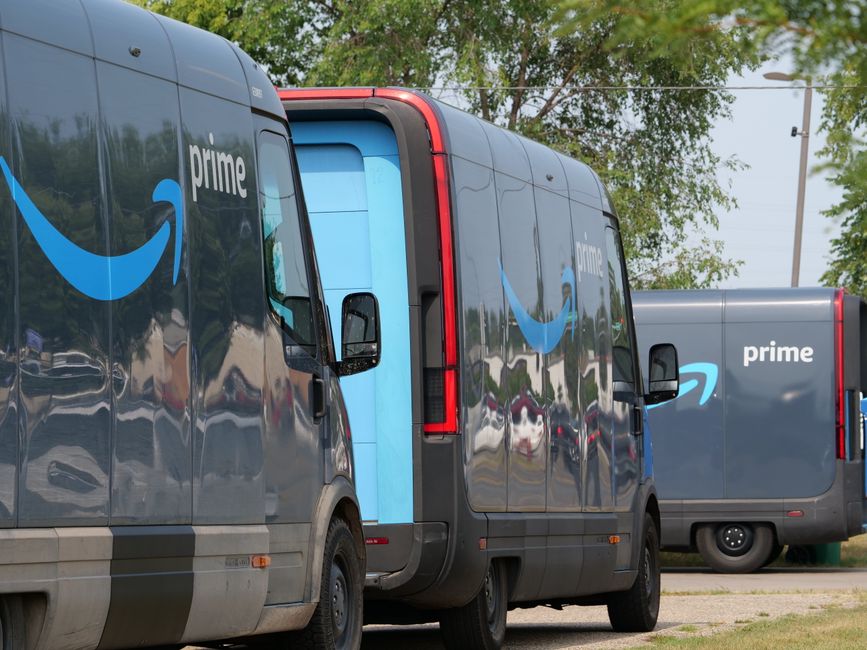
Amazon Launches Ultra-Fast Delivery in 120+ Indian Cities
Amazon has expanded its ultra-fast delivery service, Amazon Now, to over 120 cities in India, doubling its reach in just two weeks. This growth signifies…
Read More →
Organizations must also prioritize diversity and inclusion within their workforce strategies.
Challenges in the AI Workforce Transition
Despite the clear benefits of building an AI-first workforce, organizations face several challenges. One significant issue is the rapidly changing nature of technology. As AI continues to evolve, keeping employees’ skills up to date becomes increasingly difficult. Companies must be proactive in their training efforts, continuously assessing and adjusting their programs to meet the demands of the market. Analysts suggest that significant job displacement may occur due to shifts in labor between humans and machines, highlighting the urgency of reskilling initiatives.
Another challenge is the potential resistance to change. Employees may be apprehensive about the implications of AI on their roles, fearing job displacement or a loss of relevance. To address these concerns, organizations must communicate transparently about the benefits of AI and how it will enhance, rather than replace, human capabilities. This includes emphasizing that AI can take over repetitive tasks, allowing employees to focus on higher-value work that requires human insight and creativity.

Looking to the future, the landscape of work will likely continue to shift dramatically. Organizations that prioritize flexibility and adaptability will be better positioned to thrive. The rise of remote work, for instance, has shown that many roles can be performed outside traditional office environments. Companies must remain agile, ready to adapt their workforce strategies to accommodate new ways of working.
As AI technologies become more integrated into everyday business processes, the demand for skilled workers will only increase. Organizations must not only focus on immediate hiring needs but also invest in long-term workforce development strategies. This foresight will ensure that they remain competitive in an ever-evolving landscape.
You may also like
 Entrepreneurship & Business
Last Chance to Apply for a Side Event at Founder Summit 2026
The Founder Summit will take place from November 1 to November 7, 2026. It will gather key figures in the tech community, including founders, investors,…
Read More →In conclusion, the transition to an AI-first workforce presents both opportunities and challenges. Companies that embrace this shift will find themselves at the forefront of innovation, equipped to tackle the complexities of the modern business environment. The key lies in fostering a culture of continuous learning, collaboration, and ethical responsibility. For young professionals and job seekers, this shift signifies a growing demand for skills that blend technical proficiency with adaptability and critical thinking. As the workforce evolves, those who are proactive in developing these skills will be best positioned for success in the AI-driven future.
Sources: Mckinsey, Bloomberg, Bbc.