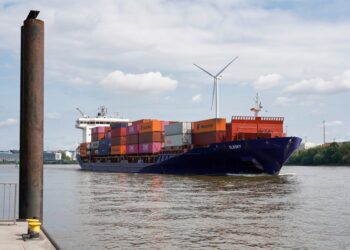
DHL is taking significant steps towards sustainability in logistics, aiming for zero emissions by 2030. This article explores their innovative strategies and the implications for the logistics industry.
DHL has unveiled an ambitious plan to enhance sustainability in logistics, aiming to cut carbon emissions across its global operations. The company has set a target to achieve zero emissions in logistics by 2030, marking a pivotal shift in the industry.
This commitment comes at a crucial time as the logistics sector faces increasing pressure to adopt sustainable practices. With growing awareness of climate change, both consumers and businesses are demanding more eco-friendly supply chain solutions. DHL’s new strategies are designed to meet these expectations and position the company as a leader in sustainable logistics.
Innovative Strategies for Sustainable Logistics
DHL’s roadmap includes several innovative strategies aimed at reducing its environmental impact. A significant aspect of this initiative is the investment in electric vehicles (EVs) for last-mile delivery. This move is expected to substantially decrease greenhouse gas emissions. DHL has already begun integrating EVs into its fleet, particularly in urban areas where traditional delivery vehicles contribute the most to pollution. The company aims for 70% of its last-mile delivery services to utilize electric vehicles by 2025, aligning with global trends toward transportation electrification.
In addition to EVs, DHL is expanding its use of alternative fuels. The company is investing in biofuels and hydrogen-powered vehicles to further reduce emissions throughout its logistics network. This shift not only enhances sustainability but also positions DHL as a frontrunner in adopting greener transportation methods. A recent Bloomberg report emphasizes that integrating these technologies is essential for compliance and for setting industry standards that inspire competitors.
Moreover, DHL is optimizing its supply chain operations to improve efficiency. By leveraging data analytics and artificial intelligence, the company aims to streamline processes and minimize waste. This approach not only benefits the environment but also enhances cost-effectiveness, making sustainable logistics more viable for a broader range of businesses.
This approach not only benefits the environment but also enhances cost-effectiveness, making sustainable logistics more viable for a broader range of businesses.
Implications for Logistics Managers
The implications of DHL’s sustainability initiatives are significant for logistics managers. As DHL sets new benchmarks for environmental responsibility, logistics managers must reevaluate their operations. This adaptation may involve investing in new technologies and revising supply chain strategies to align with sustainability goals. The demand for sustainable practices is not merely a trend; it is a necessity driven by regulatory pressures and evolving consumer expectations.
Logistics managers will need to stay informed about the latest advancements in sustainable technologies and practices. This includes adopting electric vehicles, optimizing logistics processes, and collaborating with sustainability experts to meet environmental objectives. As the industry shifts towards greener practices, those who can effectively navigate these changes will be better positioned for success.
Tewolde Gebremariam has been appointed as the new CEO of Air India, effective August 5, 2026. His leadership is expected to bring significant changes to…
Sustainability consultants play a crucial role in this transition. They assist companies in understanding the environmental impact of their logistics operations and developing strategies to mitigate those effects. As more firms adopt practices similar to DHL’s, the demand for expertise in sustainable logistics is likely to increase.
Many businesses are now seeking certifications and partnerships that emphasize sustainability, creating a burgeoning market for consulting services focused on environmental impact. Sustainability consultants can provide valuable insights into regulatory compliance and help organizations adapt to market demands for greener practices.
As companies pursue sustainability, roles focused on environmental impact assessment, sustainable supply chain management, and green technology implementation will become increasingly important.
Job Opportunities in Sustainable Logistics
The shift towards greener logistics is also expected to create new job opportunities. As companies pursue sustainability, roles focused on environmental impact assessment, sustainable supply chain management, and green technology implementation will become increasingly important. Logistics professionals who can navigate these changes will find themselves well-positioned in the evolving job market.
In essence, DHL’s roadmap not only highlights its commitment to sustainability but also serves as a catalyst for change within the logistics industry. The ripple effects of these initiatives will influence how logistics managers operate and how sustainability consultants advise their clients.
As the logistics industry evolves, the focus on sustainability will intensify. Companies that embrace these changes will likely gain a competitive edge. With DHL leading the way, it will be fascinating to observe how other companies respond and what innovations emerge in the quest for greener logistics.
Frequently Asked Questions
What are the latest trends in sustainable logistics management?
Research indicates a growing trend towards electric and alternative fuel vehicles in logistics. Companies are increasingly focused on reducing carbon footprints and optimizing supply chains for sustainability.
They provide expertise on regulatory compliance and help businesses adapt to market demands for sustainability.
How can sustainability consultants help companies like DHL?
Sustainability consultants assist companies in assessing their environmental impact and developing strategies for greener practices. They provide expertise on regulatory compliance and help businesses adapt to market demands for sustainability.
What should logistics managers do to adapt to greener practices?
Logistics managers should invest in new technologies and revise supply chain strategies to incorporate sustainable practices. This includes adopting electric vehicles, optimizing logistics processes, and collaborating with sustainability experts to achieve environmental goals.




 Industry & Global Trends

Industry & Global Trends