

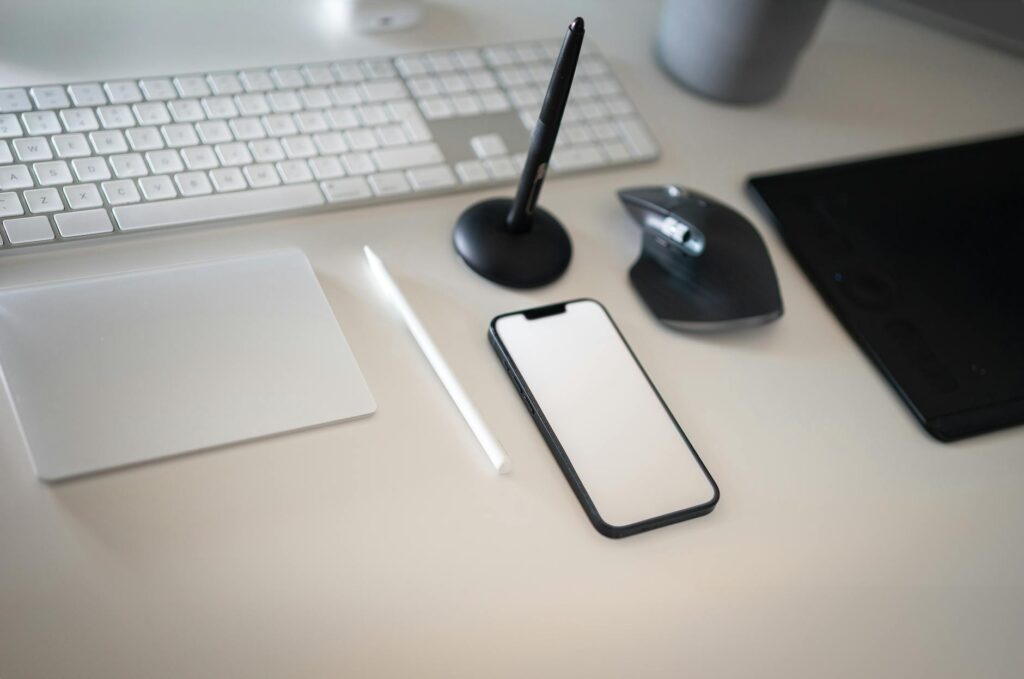
Cutting the digital clutter restores focus, health, and career momentum.
The Burnout Epidemic
Maya Patel, a 29-year-old marketing analyst, found solace in Cal Newport’s Digital Minimalism after discovering it in Electric Literature’s “7 Books to Help You Battle Burnout” roundup. Within weeks, she noticed her heart rate steady during meetings, and her inbox no longer dictated her day. Maya is not alone. A 2025 Gallup poll found that 62% of workers say constant notifications erode their ability to finish tasks.
The Digital Age Conundrum
Our devices power remote collaboration, but also flood us with alerts. Electric Literature notes that the rise of “always-on” culture has turned smartphones into extensions of the self, blurring the line between work and leisure. Technology is a double-edged sword: it can deliver deep-work tools and analytics dashboards when used deliberately. A 2024 Deloitte report showed that firms that gave employees “focus hours” without notifications saw a 15% rise in project completion rates.
Over time, mental fatigue translates into lower creative output and stalled career growth.
The Cost of Inaction
Ignoring the overload costs more than missed deadlines. Chronic distraction spikes cortisol, leading to sleep disturbances and weakened immune response. Over time, mental fatigue translates into lower creative output and stalled career growth. Employers also suffer: a 2023 IBM study estimated that knowledge workers waste up to 2.1 hours per day on avoidable digital interruptions, equating to $650 billion in lost productivity worldwide.
Embracing Digital Minimalism

Digital minimalism asks users to audit every app, notification, and habit through a value lens. The core practice is simple: keep only what adds measurable benefit, discard the rest. Newport’s method involves a 30-day “digital declutter” where participants remove optional services, set strict usage windows, and replace screen time with offline activities. Effective steps include:
- Designated tech-free zones: Offices that ban phones in meeting rooms report a 20% drop in meeting overruns.
- Scheduled “focus blocks”: Employees block 90-minute intervals on their calendars, disabling all alerts. A case study at Atlassian showed a 12% boost in sprint velocity after instituting two daily focus blocks.
- Curated communication channels: Teams consolidate Slack into a single “important” channel and mute the rest. This reduces daily message volume by up to 45%.
The Payoff
After a six-month digital minimalism trial, a mid-size design firm reported a 30% increase in billable hours per employee and a 40% reduction in reported stress levels.
The Counterpoint
Critics argue that minimalism can become an excuse for disengagement, especially in roles that demand real-time responsiveness. A 2024 Harvard Business School paper warned that overly strict notification bans may hinder crisis management and client service. The key is flexibility: allow “essential alerts” for high-priority incidents while shielding most of the day from noise.
 Entrepreneurship & Business
Vendor-Driven Changes Consume 28% of Enterprise Software Budgets
Origina and Thinkers50 say vendor-driven software changes consume 28 per cent of large enterprises’ budgets, limiting AI and innovation investment.
Read More →Towards a More Productive Career
Adopting digital minimalism reshapes the professional narrative. Workers who master focus become the go-to problem solvers, a trait that recruiters now list alongside technical skill. In a 2026 LinkedIn Skills Report, “attention management” jumped to the top-10 most sought-after soft skills.
Written by Career Ahead AI. AI can make mistakes, so verify key facts. Report errors to support@careeraheadonline.com.





