No products in the cart.

Dilip Buildcon Shares Surge 12% on LPG Pipeline Win

The new pipeline will facilitate the transportation of LPG, a critical resource for domestic and industrial use, enhancing energy access in the region.

India’s Dilip Buildcon has seen its shares rally by 12% after securing a Letter of Intent (LOI) from the Petroleum and Natural Gas Regulatory Board (PNGRB) for a massive Rs 1,800 crore LPG pipeline project from Paradip to Raipur. This project not only solidifies Dilip Buildcon’s position in the infrastructure sector but also opens up significant career opportunities for professionals in pipeline construction and project management.
The new pipeline will facilitate the transportation of LPG, a critical resource for domestic and industrial use, enhancing energy access in the region. This development comes at a time when the Indian government is emphasizing infrastructure growth as a means to boost economic recovery and job creation post-pandemic. The project is expected to not only improve energy distribution but also create a ripple effect in the local economy, potentially leading to increased employment opportunities in various sectors related to infrastructure development.
Impact on Project Management Roles
The awarding of this project underscores the increasing demand for skilled project managers in large-scale infrastructure projects. With the complexity and scale of the LPG pipeline, project managers will play a crucial role in overseeing the construction, ensuring compliance with safety standards, and managing budgets. According to Career Ahead’s analysis, the project is expected to create numerous job openings for project managers who can effectively coordinate between various stakeholders, including contractors, government bodies, and suppliers.
As infrastructure projects grow in size and complexity, project managers will need to adapt by honing their skills in risk management, budgeting, and stakeholder engagement. Career Ahead’s research identifies that professionals with a background in engineering management and experience in handling large projects will be in high demand. This trend indicates a shift towards more specialized roles within project management, where technical knowledge combined with managerial skills becomes essential. The ability to navigate regulatory frameworks and ensure timely completion of projects will also become increasingly important, as delays can lead to significant financial repercussions.
Moreover, the project is likely to attract further investments in related sectors, such as logistics and transportation management. Project managers who can navigate these interconnected fields will find themselves at a significant advantage, as they will be instrumental in ensuring the seamless operation of the entire supply chain. The Economic Times notes that the project not only grants Dilip Buildcon an exclusive license to develop and operate the pipeline but also allows them to levy and collect transportation tariffs, which could provide a steady revenue stream and encourage further investment in infrastructure projects across India.
Career Ahead’s research identifies that professionals with a background in engineering management and experience in handling large projects will be in high demand.
You may also like
 Industry & Global Trends
Informa to Buy Events Firm from Blackstone for £2.2 Billion
The deal is part of a broader trend of consolidation within the events sector, where major players are increasingly seeking to merge resources and expand…
Read More →In the long term, as more projects like this emerge, professionals in project management can leverage their experience to move into higher-level positions or even transition into consultancy roles, providing expertise to other companies looking to undertake similar projects. The growing emphasis on infrastructure development in India is likely to create a robust job market for project managers in the coming years, further solidifying the importance of this role in the sector.
Opportunities for Civil Engineers
Civil engineers are set to benefit significantly from the new LPG pipeline project. The design and construction of pipelines demand specialized skills in areas such as fluid mechanics, structural analysis, and materials science. Career Ahead analysis finds that as the project progresses, there will be a growing need for civil engineers who are adept at pipeline design and construction methodologies. This project represents a unique opportunity for engineers to apply their technical skills in a real-world setting, contributing to a critical infrastructure that supports energy distribution.
Engineers involved in this project will gain hands-on experience with cutting-edge technologies and practices. This includes the use of advanced materials and construction techniques that enhance the safety and efficiency of pipeline systems. Additionally, civil engineers who demonstrate proficiency in sustainable practices will be particularly sought after, as environmental considerations become increasingly important in infrastructure projects. The integration of sustainable engineering practices is not just a trend but a necessity, as the industry moves towards minimizing its environmental footprint.
The project’s scale also means that civil engineers will have opportunities to collaborate with other disciplines, such as environmental engineers and geotechnical specialists. This interdisciplinary approach will not only enrich their professional experience but also expand their skill sets, making them more versatile in the job market. As noted by sources like Business Standard, the successful execution of such large-scale projects often requires a collaborative effort, fostering a culture of teamwork among various engineering disciplines.
As noted by sources like Business Standard, the successful execution of such large-scale projects often requires a collaborative effort, fostering a culture of teamwork among various engineering disciplines.
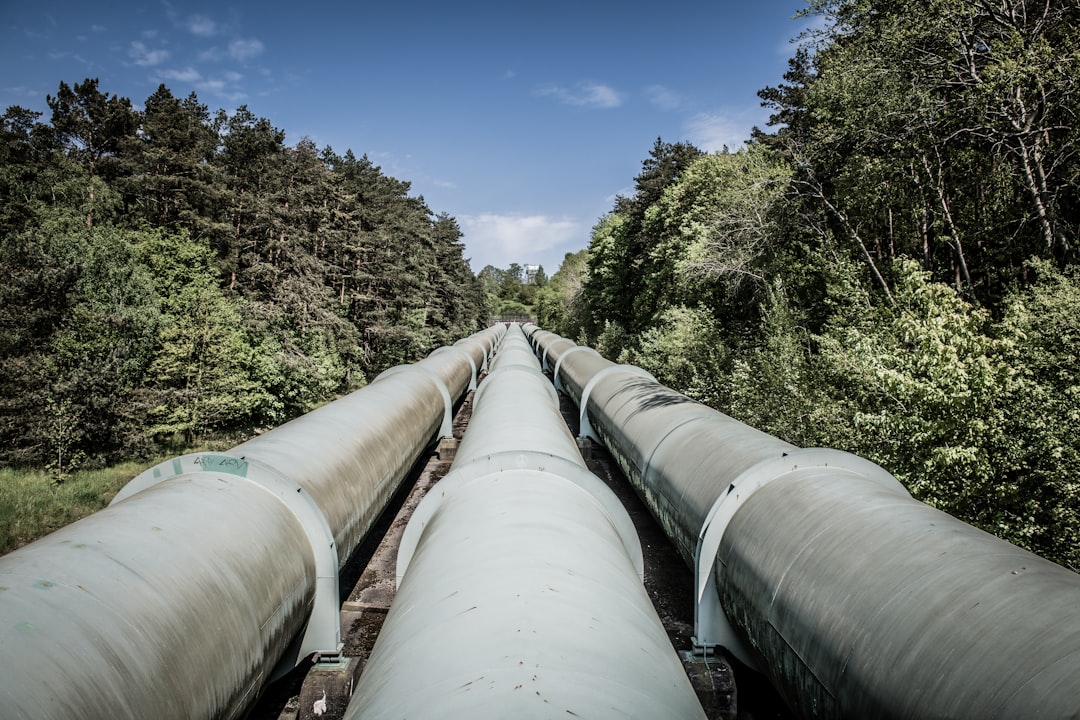
As the demand for pipeline infrastructure grows, civil engineers can expect a surge in job openings, particularly in regions where new projects are initiated. The Indian government’s push for energy security and infrastructure development will likely ensure a steady flow of opportunities in the coming years. Furthermore, the skills acquired during this project will be invaluable for engineers looking to advance their careers, as they will be equipped with the knowledge and experience necessary to tackle future challenges in the infrastructure sector.
You may also like
 Industry & Global Trends
Bolsonaro Surge in Brazil Opens Door to Commodities Trade Shift
Bolsonaro's electoral victory has sparked optimism in Brazil's financial markets, with significant implications for the commodities trade sector.
Read More →The broader implications of this project extend beyond immediate job creation; it signifies a commitment to enhancing India’s energy infrastructure, which is crucial for supporting economic growth and improving the quality of life for citizens. As more projects like this are undertaken, the landscape of infrastructure development in India is poised for transformation, potentially leading to a more resilient and efficient energy distribution network.
As the project unfolds, it will be interesting to observe how the landscape of pipeline construction and infrastructure investment evolves in India. Will this lead to a sustained boom in infrastructure projects, or will challenges emerge that could impact future developments?
Frequently Asked Questions
What skills are needed for civil engineers in pipeline construction?
Civil engineers in pipeline construction need a solid understanding of fluid mechanics, structural analysis, and materials science. Additionally, skills in project management and knowledge of safety regulations are crucial for successful project execution.
Additionally, skills in project management and knowledge of safety regulations are crucial for successful project execution.
How can project managers leverage large infrastructure projects for career growth?
Project managers can leverage large infrastructure projects by gaining experience in managing complex tasks, coordinating with multiple stakeholders, and developing specialized skills in risk management and budgeting. This experience can lead to higher-level positions or consultancy roles in the future.

What should civil engineers do about the increasing demand for pipeline projects?
Civil engineers should focus on enhancing their technical skills related to pipeline design and construction methodologies. Engaging in continuous learning and gaining hands-on experience with emerging technologies will help them stay competitive in the job market.
You may also like
 Industry & Global Trends
Auto Retail Sales Surge 32%
The two-wheeler segment alone saw retail sales of 1,790,188 units, a remarkable 33.08% increase compared to the same month last year.
Read More →