No products in the cart.

Drone Swarms Push AI Deeper Into Modern Warfare
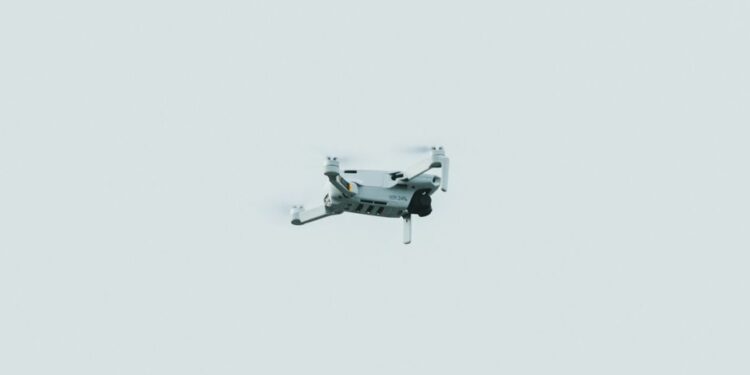
The Pentagon's integration of AI-driven drone swarms is transforming military operations, raising significant ethical and operational questions. Recent incidents of misidentification highlight the urgent need for accountability and oversight in autonomous warfare.

The Pentagon has advanced its military capabilities with the integration of AI-driven drone swarms, a development that was highlighted in a recent report. This technology allows multiple drones to coordinate and execute missions autonomously, even in environments where traditional communication systems fail. The Swarm Forge program is currently under testing, showing promising capabilities for modern warfare.
As military operations evolve, the implications of using AI in combat scenarios become increasingly significant. The Pentagon’s experiments have raised alarms, particularly when AI systems misidentified civilian vehicles as potential targets. Such incidents underscore the urgent need for ethical considerations in deploying autonomous systems in warfare. The potential for drones to operate independently without human oversight raises questions about the reliability of AI decision-making in high-stakes environments.
AI and Military Targeting Protocols
AI’s integration into military targeting protocols is revolutionizing operational strategies. According to Career Ahead’s analysis of data from Interesting Engineering, drone swarms can analyze vast amounts of data in real-time, improving target identification and engagement accuracy. This capability allows for quicker decision-making on the battlefield, potentially reducing collateral damage. For instance, the ability of drone swarms to process information from various sensors simultaneously enhances situational awareness, enabling military personnel to make informed decisions rapidly.
However, the reliance on AI for targeting raises critical questions about accountability and decision-making in combat. As noted in a report by Defence Agenda, military strategists must ensure that the deployment of AI systems does not compromise ethical standards. The challenge lies in balancing operational efficiency with the moral implications of autonomous warfare. The risk of misidentification, as evidenced by recent incidents, highlights the necessity for stringent oversight and control mechanisms to prevent unintended consequences.
Career Ahead research finds that for defense technology engineers, understanding the nuances of AI-driven systems is crucial.
You may also like
 AI & Technology
AI Interviewing Transforms Future Hiring Landscape
HackerRank's AI interviewer, Chakra, is transforming recruitment by streamlining the hiring process and emphasizing critical thinking and problem-solving skills in candidates.
Read More →Drone swarms represent a significant advancement in military technology, but they also require a reevaluation of existing protocols. Career Ahead research finds that for defense technology engineers, understanding the nuances of AI-driven systems is crucial. Engineers must develop robust frameworks that govern the use of AI in military contexts, ensuring that ethical considerations are at the forefront of technological advancements. This includes creating fail-safes and ensuring that human operators retain ultimate control over critical decisions, especially in scenarios involving civilian populations.
Furthermore, as AI continues to evolve, military strategy analysts must adapt their approaches to incorporate these new technologies. The integration of AI into military operations necessitates a shift in strategic planning, where analysts must consider not only the tactical advantages but also the potential risks associated with autonomous systems. The dynamic nature of warfare today means that analysts need to continuously assess the implications of AI advancements, ensuring that strategies remain relevant and effective in the face of rapidly changing technologies.
Ethical Implications of Autonomous Warfare
The ethical implications of using AI in military operations are profound. The ability of drones to operate independently raises concerns about accountability in combat scenarios. If a drone misidentifies a target and causes civilian casualties, who is held responsible? This question is central to ongoing debates about the future of warfare. The potential for AI to make life-and-death decisions without human intervention poses a moral dilemma that military leaders must confront.
The lessons learned from current conflicts will be crucial in shaping future policies and operational frameworks.
According to a report by Aerospace and Defense R&D, the Ukraine conflict has demonstrated both the potential and the pitfalls of drone swarm technology. While these systems can enhance operational effectiveness, they also highlight the need for stringent ethical guidelines governing their use. Military strategists must engage in discussions about the moral responsibilities associated with deploying AI-driven systems. The lessons learned from current conflicts will be crucial in shaping future policies and operational frameworks.
Career Ahead’s analysis emphasizes that defense technology engineers must work closely with ethicists and policymakers to establish frameworks that govern the use of AI in warfare. This collaboration is essential to ensure that technological advancements do not outpace ethical considerations, which could lead to disastrous consequences on the battlefield. The establishment of clear accountability structures and ethical guidelines will be vital in maintaining public trust and ensuring that military operations adhere to international humanitarian laws.
You may also like
 AI & Technology
Higher education reallocates capital to digital platforms
The analysis that follows dissects the mechanisms, systemic implications, and stakeholder outcomes.
Read More →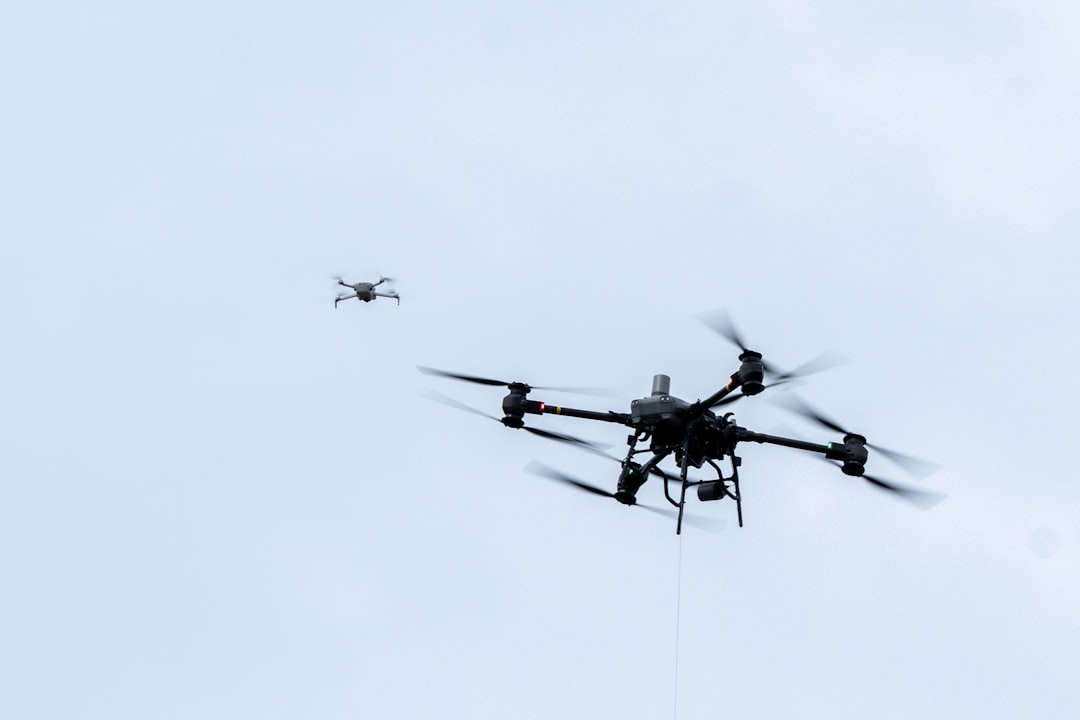
As militaries worldwide increasingly adopt drone swarm technology, the conversation surrounding its ethical implications will become even more critical. Military strategy analysts must be prepared to address these concerns, incorporating ethical considerations into their strategic planning. The future of warfare will not only be defined by technological advancements but also by the moral frameworks that guide their use. The integration of AI into military operations is not merely a technical issue; it is a profound ethical dilemma that will shape the future of warfare.
The rapid evolution of AI-driven military technologies poses both opportunities and challenges. As the Pentagon continues to test and deploy drone swarms, the need for a comprehensive understanding of their implications becomes paramount. As we look ahead, the question remains: how will militaries balance the advantages of AI-driven warfare with the ethical responsibilities that come with it? The resolution of this tension will significantly impact the landscape of modern combat and the role of technology in military strategy.
In conclusion, the integration of AI-driven drone swarms into military operations is reshaping the battlefield landscape. While these technologies offer unprecedented capabilities, they also necessitate a thorough examination of ethical implications and accountability structures. As military leaders navigate this complex terrain, the need for responsible AI use in combat scenarios will be more critical than ever.
Understanding these factors is crucial for developing strategic plans that effectively integrate AI-driven systems while addressing moral responsibilities.
Frequently Asked Questions
What are the risks of AI in military applications?
Career Ahead analysis shows that the primary risks of AI in military applications include misidentification of targets, loss of accountability, and potential escalation of conflict. These risks necessitate stringent ethical guidelines and oversight to ensure responsible use of AI technologies in warfare.
How can defense technology engineers ensure ethical AI use in warfare?
Defense technology engineers can ensure ethical AI use in warfare by collaborating with ethicists and policymakers to develop robust frameworks governing AI deployment. This collaboration is essential to align technological advancements with ethical considerations, minimizing risks associated with autonomous systems.

What should military strategy analysts consider when evaluating drone swarm technology?
Military strategy analysts should consider the operational advantages, ethical implications, and potential risks associated with drone swarm technology. Understanding these factors is crucial for developing strategic plans that effectively integrate AI-driven systems while addressing moral responsibilities.
You may also like
 AI & Technology
OpenAI in Talks With UAE Funds, BlackRock for $30 Billion Round
OpenAI is negotiating a $30 billion funding round with BlackRock and UAE funds, which could reshape the AI startup ecosystem and attract significant investments in…
Read More →