No products in the cart.

Drone Swarms Transform Naval Operations Aboard USS Lincoln
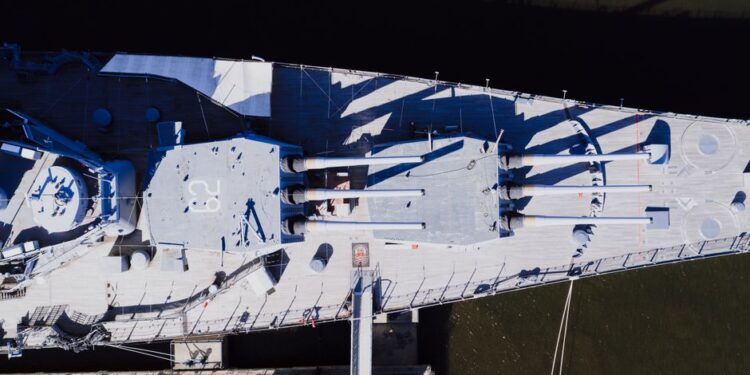
As naval aviation technicians and drone operators witness these advancements, it is crucial to understand the implications for their roles.

The USS Abraham Lincoln has recently showcased its integration of drone swarms into naval operations, highlighting a significant evolution in military strategy. This development, observed during a recent exercise, emphasizes the growing role of unmanned aerial vehicles (UAVs) in enhancing operational capabilities aboard aircraft carriers. The introduction of drone swarms represents a pivotal shift in how naval forces may conduct missions in the future.
As naval aviation technicians and drone operators witness these advancements, it is crucial to understand the implications for their roles. The integration of drone technology not only enhances surveillance and reconnaissance capabilities but also introduces new operational tactics that require specialized training and skill development. Analysts suggest that the effective deployment of drone swarms can alter the dynamics of naval engagements, making it imperative for personnel to adapt swiftly to these changes.
Impact of Drone Swarms on Naval Strategy
Drone swarms are reshaping naval strategy by providing a tactical advantage in various mission scenarios. These swarms can conduct operations, such as surveillance and reconnaissance, with improved coordination and efficiency. The USS Abraham Lincoln’s recent exercises demonstrated how multiple drones can be deployed simultaneously to gather intelligence, identify targets, and execute missions more effectively than traditional methods. This capability not only enhances the operational tempo but also allows for a more flexible response to emerging threats.
Analysts indicate that this shift towards drone swarms will require naval aviation technicians to adapt their skill sets significantly. The ability to operate and maintain these advanced systems is becoming essential. Technicians will need to understand both the mechanics of the drones and the software that controls swarm behavior and data analysis tools. Furthermore, as drone technology evolves, the complexity of these systems will demand ongoing education and training to keep pace with advancements.
Moreover, the strategic implications of drone swarms extend beyond mere operational efficiency. The use of swarms can potentially overwhelm enemy defenses, allowing for more effective strikes and reducing the risk to manned aircraft. As naval forces adopt these technologies, they may see a transformation in how they plan and execute missions, prioritizing drone operations alongside traditional aircraft. This evolution is echoed in reports from various analysts, which highlight the potential for drone swarms to redefine naval power dynamics by enabling forces to conduct operations with greater stealth and precision.
The ongoing development of counter-drone measures will also play a critical role in shaping future naval engagements.
You may also like
 Industry & Global Trends
Musicians Embrace Fresh Veggies and Guitar Pedals | Workforce Shift
In their discussions, Sloan and Harding dissect the intricate connections between culinary experiences and musical creativity. By incorporating food into their narrative, they provide listeners…
Read More →This evolution also raises questions about the future of naval combat. As drone technology continues to advance, military planners must consider how to integrate these systems into existing frameworks while addressing potential vulnerabilities that come with reliance on technology. The ongoing development of counter-drone measures will also play a critical role in shaping future naval engagements. The integration of AI into drone systems is expected to enhance their effectiveness, allowing for real-time decision-making that can adapt to rapidly changing battlefield conditions.
Technological Advancements in Military Drones
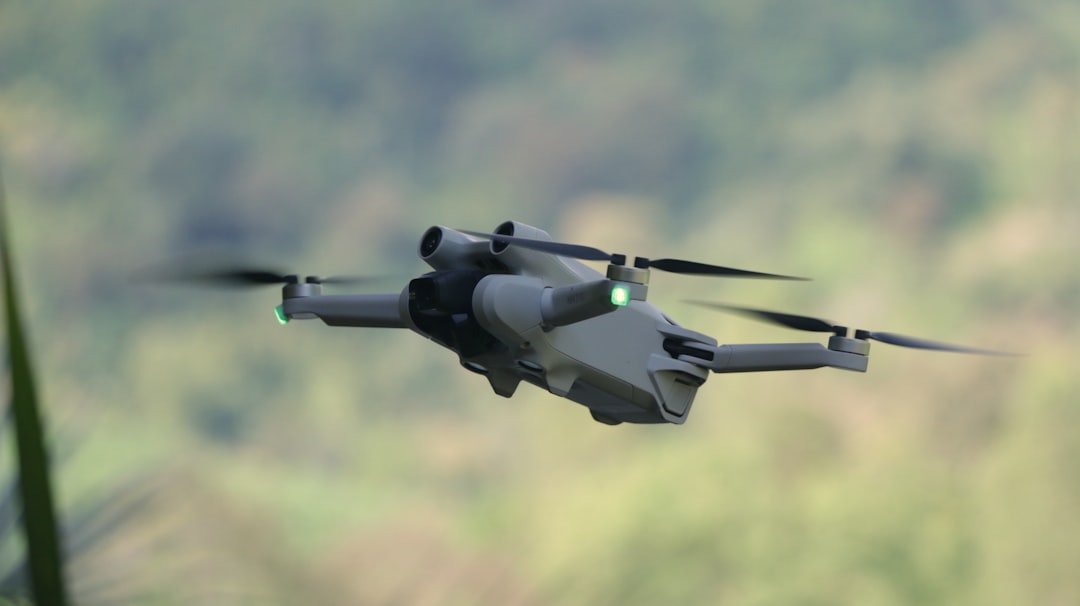
The technological advancements in military drones have been remarkable, particularly in terms of autonomy and swarm intelligence. Modern drones are equipped with sophisticated sensors, artificial intelligence, and machine learning algorithms that enable them to operate independently or in coordination with one another. This level of sophistication allows for real-time decision-making and adaptability in dynamic combat environments. Analysts suggest that these advancements will improve operational efficiency and enhance the overall effectiveness of naval missions.
According to various reports, the integration of AI into drone systems is expected to enhance their effectiveness significantly. This technology enables drones to analyze vast amounts of data quickly, making them capable of identifying patterns and threats that human operators might miss. As these capabilities improve, the role of drone operators may shift from direct control to oversight and strategic management of drone missions. This transition necessitates a comprehensive understanding of both the operational capabilities of the drones and the strategic objectives of their deployment.
For naval aviation technicians, these advancements mean that training programs must evolve to include not only mechanical skills but also a strong understanding of AI and data analytics. Technicians will need to be proficient in troubleshooting software issues, interpreting data outputs, and ensuring that drones can operate seamlessly in a swarm configuration. The increasing reliance on drone technology poses challenges related to cybersecurity and data protection. As drones become more interconnected, the risk of hacking and data breaches rises. Military personnel, including technicians and operators, must be trained to recognize and mitigate these risks, ensuring that operational integrity is maintained.
This shift may create new career opportunities for individuals skilled in both aviation technology and data analysis.
The integration of drone swarms into naval operations necessitates a comprehensive overhaul of training requirements for drone operators. Traditional training programs focused primarily on piloting skills, but the complexity of swarm operations demands a broader skill set. Operators must now be adept at strategic planning, data analysis, and understanding the capabilities and limitations of various drone systems. Research indicates that training programs will increasingly incorporate simulations and real-world scenarios to prepare operators for the challenges they will face in the field. These simulations will allow operators to practice coordinating multiple drones, responding to unexpected situations, and making rapid decisions under pressure.
You may also like
 Industry & Global Trends
Xiaomi Bets on Premium Phones, Smart Homes Amid Market Shift
Xiaomi's strategic pivot towards premium smartphones and smart home products reflects a significant shift in the Indian tech landscape, as consumers increasingly prioritize quality over…
Read More →Additionally, collaboration between naval aviation technicians and drone operators will be essential. Technicians will need to provide ongoing support and maintenance for drone systems, while operators will rely on technicians for technical insights and troubleshooting. This interdependence highlights the importance of team-based training approaches that foster collaboration and communication. As the military continues to invest in drone technology, the demand for skilled operators and technicians is expected to grow. The Navy’s commitment to integrating drone swarms into its operations reflects a broader trend within the defense industry to leverage advanced technology for strategic advantage. This shift may create new career opportunities for individuals skilled in both aviation technology and data analysis.
The future of naval operations is likely to change as drone swarms become a central component of military strategy. With ongoing advancements in drone technology and evolving training requirements for personnel, the Navy is setting the stage for a new era of warfare. As nations around the world continue to invest in drone technology, the implications for naval operations are profound. The ability to deploy swarms of drones effectively could redefine naval power dynamics, leading to a race for technological superiority. How militaries adapt to these changes will shape the future of naval warfare.
Frequently Asked Questions
What are the latest advancements in drone technology for naval operations?
Analysts indicate that advancements in drone technology include enhanced autonomy, AI integration, and swarm intelligence, enabling drones to operate independently and in coordination. These developments significantly improve operational efficiency and effectiveness in naval missions.
These developments significantly improve operational efficiency and effectiveness in naval missions.
How can naval aviation technicians adapt to the use of drone swarms?
Technicians can adapt by expanding their skill sets to include knowledge of AI, data analytics, and software troubleshooting. Training programs will increasingly focus on these areas to ensure technicians can support the advanced systems used in drone swarms.
What should drone operators know about operating in military environments?
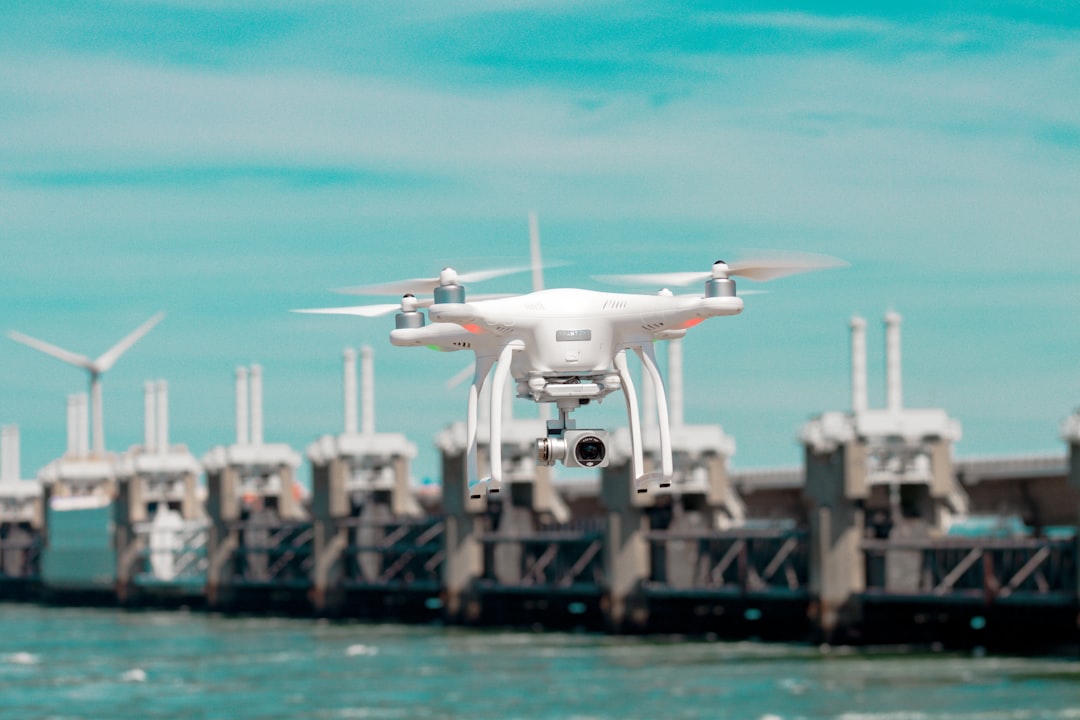
Drone operators must be proficient in strategic planning, data analysis, and understanding the capabilities of various drone systems. Training will include simulations to prepare operators for real-world scenarios and challenges they may face in military operations.
You may also like
 Industry & Global Trends
Mexico Promotes CIIT as Alternative Trade Corridor
Since 2019, Mexico has invested approximately 70 billion pesos (around $4 billion) to rehabilitate over 500 miles of railway and modernize ports along the CIIT…
Read More →