


New Delhi, India — The Education Minister has made a significant announcement emphasizing the need for educational curricula to align with national priorities. This shift aims to ensure that PhD programmes are more industry-centric, focusing on equipping students with relevant skills for today’s job market. The minister’s remarks come at a crucial time when the education sector is under pressure to adapt to rapid technological advancements and changing workforce needs.
During a recent meeting, the minister highlighted the importance of integrating critical and emerging technologies into academic programmes. This approach is expected to enhance the employability of graduates and foster innovation across various sectors. By aligning educational outcomes with industry demands, the government aims to create a workforce that can effectively respond to the challenges of a globalized economy.
The discussion also touched upon the necessity of revising assessment methods and research initiatives to reflect the skills and knowledge required in the current job landscape. The minister noted that many traditional educational frameworks no longer meet the expectations of employers, leading to a skills gap that affects both graduates and industries.
Why Curriculum Alignment Matters Now
Curriculum alignment with national priorities is critical for several reasons. First, it addresses the immediate need for skilled professionals in key industries. As sectors like technology, healthcare, and renewable energy grow, the demand for graduates with specific skills increases. By focusing on industry-centric PhD programmes, educational institutions can better prepare students for these roles.
First, it addresses the immediate need for skilled professionals in key industries.
Second, aligning curricula with national goals can drive innovation. When educational institutions collaborate with industries, they can create research opportunities that lead to groundbreaking solutions. This collaboration can also enhance the relevance of academic research, making it more applicable to real-world challenges.
Moreover, this shift can improve the global competitiveness of the workforce. Countries that invest in aligning their educational systems with industry needs are likely to see stronger economic growth. By producing graduates who are ready to contribute to the economy, nations can better position themselves in the global market.
 Education & University Insights
Education Leaders Stress Early University Succession
The conclave brought institutional and technology leaders together to examine university transitions and long-term vision.
Read More →Finally, this initiative could lead to a transformation in how higher education institutions operate. By prioritizing industry partnerships, universities can create more dynamic learning environments that attract top talent and foster entrepreneurship.
Implications for Your Career Path
The emphasis on industry-centric PhD programmes has significant implications for your career trajectory. If you are considering pursuing a PhD, understanding the focus of these programmes can help you make informed decisions. Here’s how this shift may impact various career stages:
- For Current PhD Students: You should seek opportunities for collaboration with industry partners. Engaging in internships or research projects with companies can enhance your skills and expand your professional network.
- For Recent Graduates: If you have just completed your PhD, look for roles that emphasize applied research and practical skills. Highlight any industry experience on your resume to stand out to potential employers.
- For Career Switchers: If you are considering a shift into a new field, consider PhD programmes that offer interdisciplinary approaches. These programmes often attract attention from diverse industries and may provide a better pathway into emerging sectors.
- For Employers: Businesses should actively engage with educational institutions to shape curricula that meet their needs. By collaborating with universities, companies can help ensure that graduates possess the skills required for success in the workforce.
However, some experts caution that while aligning education with industry needs is beneficial, it should not come at the cost of academic freedom and critical thinking. They argue that education should also foster creativity and independent thought, which are essential for innovation. A balanced approach is necessary to ensure that graduates are not only employable but also capable of contributing to society in meaningful ways.
The Future of Industry-Centric Education in India
Looking ahead, the push for industry-centric educational programmes is likely to gain momentum. As more sectors recognize the need for skilled professionals, collaborations between educational institutions and industries will become more common. This trend could lead to the development of new programmes that are tailored to specific industry needs, further enhancing the employability of graduates.
For Employers: Businesses should actively engage with educational institutions to shape curricula that meet their needs.
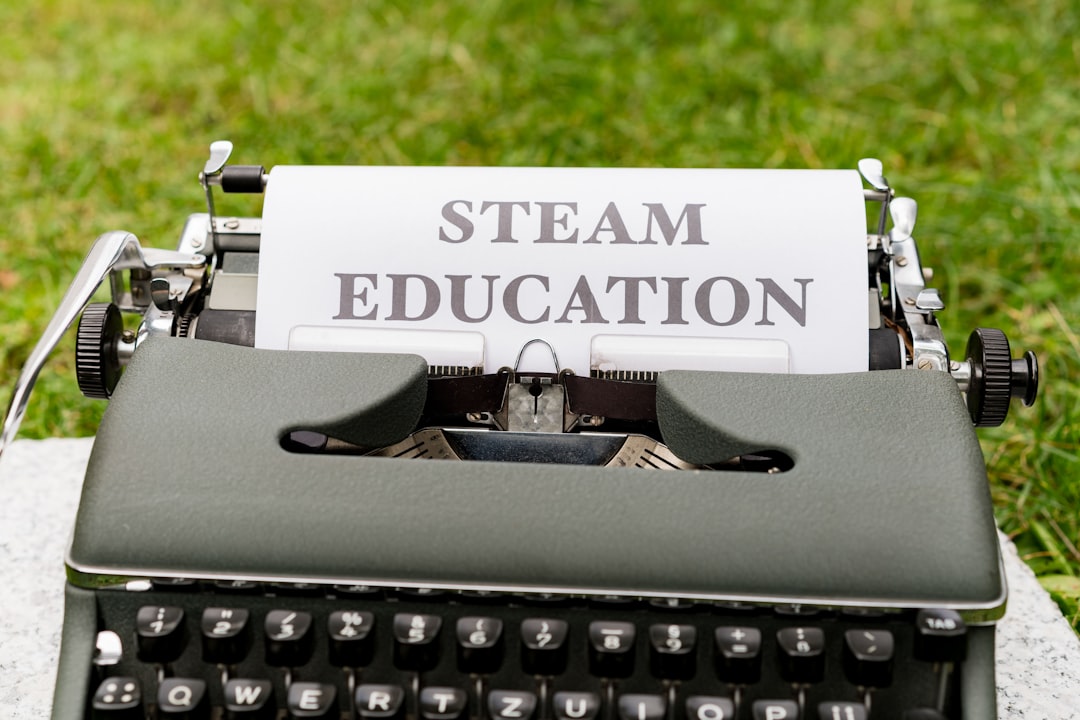
Moreover, as technology continues to evolve, educational institutions will need to adapt their curricula to include emerging skills such as data analytics, artificial intelligence, and cybersecurity. By staying ahead of these trends, students can position themselves as valuable assets in the job market.
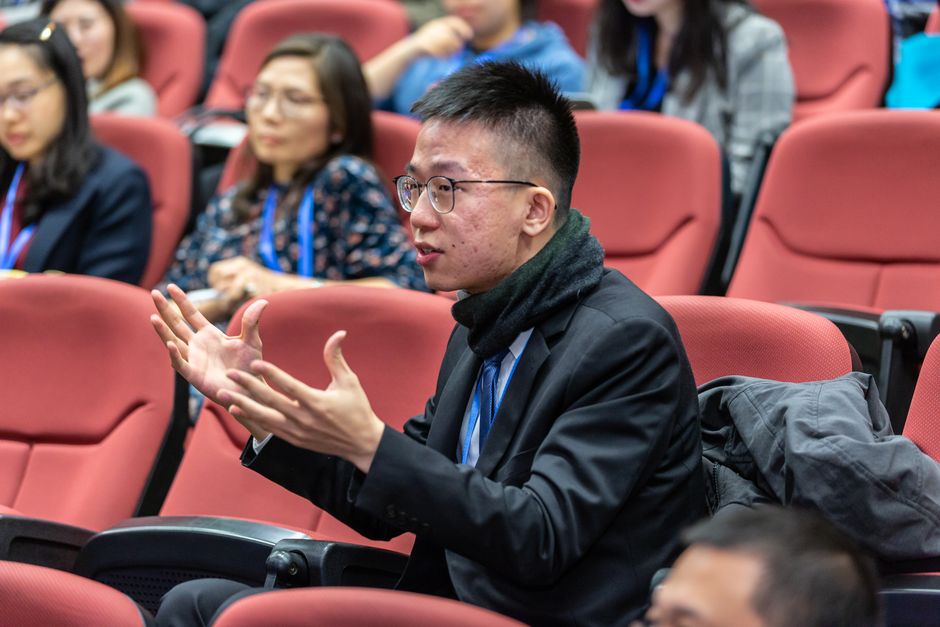 Education & University Insights
India’s Higher Education Agenda Puts Skills, Research and Faculty First
A panel framed the debate around India@2047, while a university chancellor said competitive research ecosystems can take 10–15 years to develop.
Read More →Ultimately, the question remains: How will you leverage these changes in the educational landscape to advance your career? As the focus shifts towards industry alignment, being proactive in your educational choices will be key to unlocking future opportunities.
Written by Career Ahead AI. AI can make mistakes, so verify key facts. Report errors to support@careeraheadonline.com.





