No products in the cart.

Education union, students call on governor to release higher education funding

Education union representatives and student leaders recently urged the governor to release critical higher education funding, highlighting its profound impact on career pathways and economic stability for young professionals aged 16-35.

Springfield, Illinois — In early April 2024, state education union representatives, alongside a coalition of student leaders, issued an urgent appeal to the Governor, demanding the immediate release of critical higher education funding. This concerted effort, initially highlighted by the Mahomet Daily, underscores a growing concern over the financial stability of public universities and colleges, and its direct implications for the career trajectories and economic prospects of young adults aged 16 to 35 across the state. The call to action emphasizes that delayed or withheld funding directly jeopardizes educational access, program quality, and ultimately, the state’s future workforce development.
The core of the dispute revolves around an estimated $150 million in state appropriations earmarked for higher education, which advocates argue is essential to prevent tuition hikes, maintain vital academic programs, and support student services. For the demographic navigating early career decisions and educational investments, the outcome of this funding debate could significantly shape their ability to acquire in-demand skills, manage student debt, and secure competitive employment in the coming 6 to 24 months. The stakes are high, impacting everything from STEM program availability to vocational training opportunities, which are crucial for a robust and adaptable workforce.
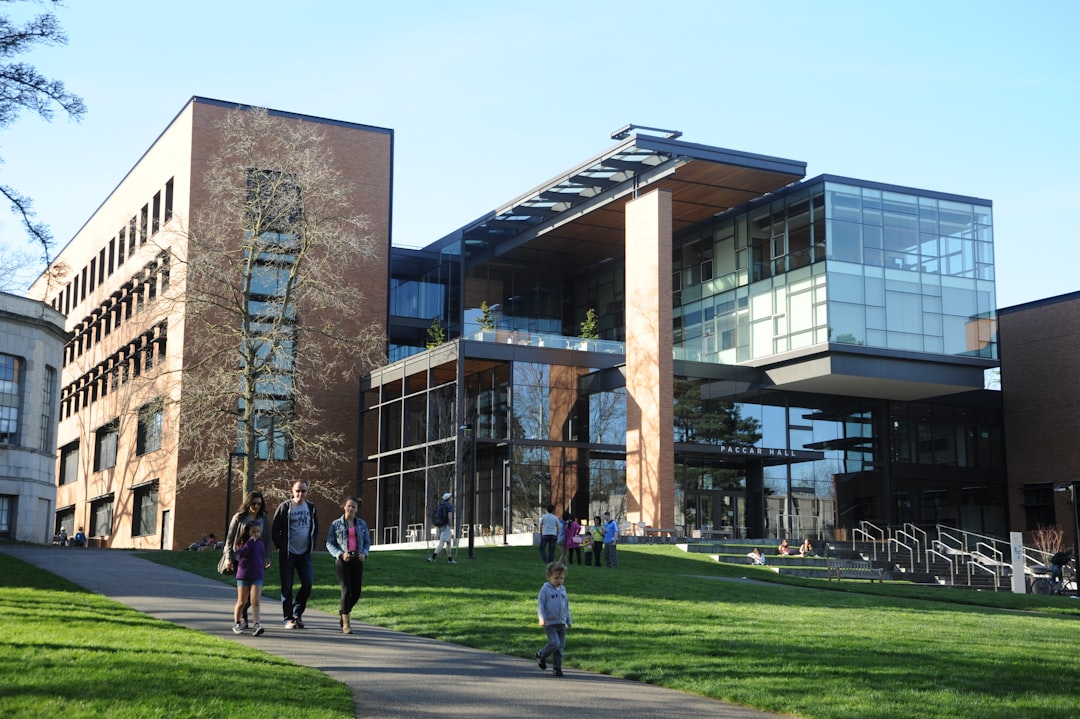
The Ripple Effect: Funding Gaps and Career Pathways
The withholding of state funds creates a tangible ripple effect that extends far beyond university balance sheets, directly impacting the career pathways of thousands of students. Without consistent state support, institutions often resort to increasing tuition fees, a burden disproportionately felt by students from middle- and low-income backgrounds. A potential 5-10% increase in tuition, for example, could add thousands to a student’s overall debt, which nationally averages around $30,000 per borrower upon graduation, delaying major life milestones like homeownership or starting a family.
Furthermore, funding shortfalls can lead to cuts in specific academic programs, particularly those with smaller enrollments or higher operational costs, such as specialized engineering disciplines or foreign language studies. This reduction in program diversity limits students’ choices and can create skill gaps in emerging industries. For instance, if a state faces a projected 15% growth in its tech sector over the next five years, but universities are forced to scale back computer science or data analytics programs, the state risks a significant talent deficit, forcing employers to look elsewhere for qualified candidates.
The impact also extends to faculty retention and research opportunities. Reduced funding can hinder universities from attracting and retaining top-tier professors, particularly in competitive fields like healthcare and advanced manufacturing. This directly affects the quality of education and the availability of cutting-edge research projects, which are invaluable for students seeking to gain practical experience and develop specialized skills. A decline in research output can also diminish a state’s innovation capacity, making it less attractive for businesses seeking to establish or expand operations.
 Tech & Science
Revolutionizing Mental Health: Advances in Science and AI
Innovations in brain imaging and AI are reshaping mental health care, offering new hope for effective treatments.
Read More →This directly affects the quality of education and the availability of cutting-edge research projects, which are invaluable for students seeking to gain practical experience and develop specialized skills.
Ultimately, inadequate higher education funding can contribute to a ‘brain drain,’ where talented graduates seek opportunities in states with more robust educational ecosystems and stronger job markets. This outflow of skilled labor can stifle regional economic development, reduce the tax base, and diminish the overall competitiveness of the state. For young professionals, this means potentially fewer local job opportunities and a more challenging landscape for career advancement within their home state.

Navigating the Landscape: Strategies for Future Professionals
Given the fluctuating landscape of higher education funding, young adults must adopt proactive strategies to secure their career futures. Financial literacy and meticulous planning are paramount; prospective students should thoroughly research tuition costs, available scholarships, and potential student loan options, understanding the long-term repayment implications. Exploring institutions with strong career services departments and robust alumni networks can also provide a significant advantage in job placement post-graduation.
Considering alternative education models offers another strategic pathway. Community colleges often provide more affordable entry points to higher education, with many offering transfer programs to four-year universities or direct pathways to vocational careers. Certifications in high-demand fields, such as CompTIA for IT, AWS for cloud computing, or various project management credentials, can provide specialized skills quickly and cost-effectively, often leading to immediate employment opportunities with competitive salaries.
Networking and gaining practical experience through internships or apprenticeships are more critical than ever. Even if specific academic programs face cuts, proactive engagement with industry professionals can open doors to mentorship, job shadowing, and invaluable real-world exposure. Students should actively seek out opportunities to apply their learning in professional settings, building a portfolio of experience that demonstrates their capabilities to future employers, regardless of their degree’s institutional origin.
Finally, focusing on the development of universally transferable skills will be a significant asset. Employers consistently seek candidates proficient in critical thinking, problem-solving, digital literacy, communication, and adaptability. These ‘soft skills,’ combined with technical competencies, make individuals resilient to market shifts and highly desirable in any sector. Investing time in developing these core capabilities through coursework, extracurricular activities, and personal projects can future-proof a career against unforeseen educational or economic challenges.
 AI
AIHarnessing AI for Job Seekers: Resume Innovations
AI resume hacks are changing the job search landscape, helping candidates stand out and secure interviews. Explore innovative strategies here.
Read More →Students should actively seek out opportunities to apply their learning in professional settings, building a portfolio of experience that demonstrates their capabilities to future employers, regardless of their degree’s institutional origin.

Advocacy and Investment: Shaping Tomorrow’s Workforce
The call for funding release is not merely a plea for financial aid; it is an advocacy for sustained investment in the state’s human capital and future economic vitality. Students and young professionals have a crucial role to play in this advocacy. Engaging with student government, participating in campus and state-level lobbying efforts, and contacting local legislators can amplify their voices. Sharing personal stories about the impact of tuition costs or program availability can be a powerful tool in influencing policy decisions and ensuring that higher education remains a priority.
From a broader economic perspective, investing in higher education yields substantial returns on investment for the state. A well-educated workforce attracts new businesses, fosters innovation, and increases overall productivity, leading to higher tax revenues and a more prosperous society. Studies consistently show a correlation between higher educational attainment and lower unemployment rates, stronger economic growth, and improved public health outcomes. The $150 million in question represents an investment in these long-term benefits, not merely an expenditure.
Looking ahead to the next 6-24 months, the landscape for higher education funding will likely remain a topic of intense debate. Individuals should prepare for potential scenarios ranging from continued budget austerity to renewed legislative focus on workforce development initiatives. Staying informed about state budget discussions, understanding the platforms of elected officials, and actively participating in civic discourse will be essential for shaping a favorable environment for future educational and career opportunities.
Ultimately, the collective efforts of education unions, student bodies, and concerned citizens are vital to underscore the indispensable role of higher education in fostering individual career success and robust economic growth. By advocating for consistent and adequate funding, and by proactively preparing for an evolving job market, young professionals can help ensure that the pathway to a fulfilling career remains accessible and well-supported for generations to come. The future of the state’s workforce depends on this critical investment today.

Sources:
 Career Development
MRA Program Cultivates Future Leaders in the Quad Cities
The MRA program in the Quad Cities focuses on developing young professionals through mentorship and skills training, addressing the evolving…
Read More →Ultimately, the collective efforts of education unions, student bodies, and concerned citizens are vital to underscore the indispensable role of higher education in fostering individual career success and robust economic growth.
Mahomet Daily, April 15, 2024
Sources: Mahomet Daily (2024-04-15)