Chennai, India — The automotive landscape is shifting as Ehime Nissan announces a strategic partnership with Tamil Nadu’s technical institutions to train local technicians for job opportunities in Japan. This initiative aims to bridge the skills gap and enhance employment prospects for young engineers in the region.
The program, officially launched on October 9, 2025, will offer comprehensive training in various automotive technologies, aligning with Nissan’s global standards. This move comes amid a growing demand for skilled labor in Japan, particularly in the automotive sector, where the average annual salary for technicians can exceed $40,000 (approximately ₹30 lakh) depending on experience and specialization.
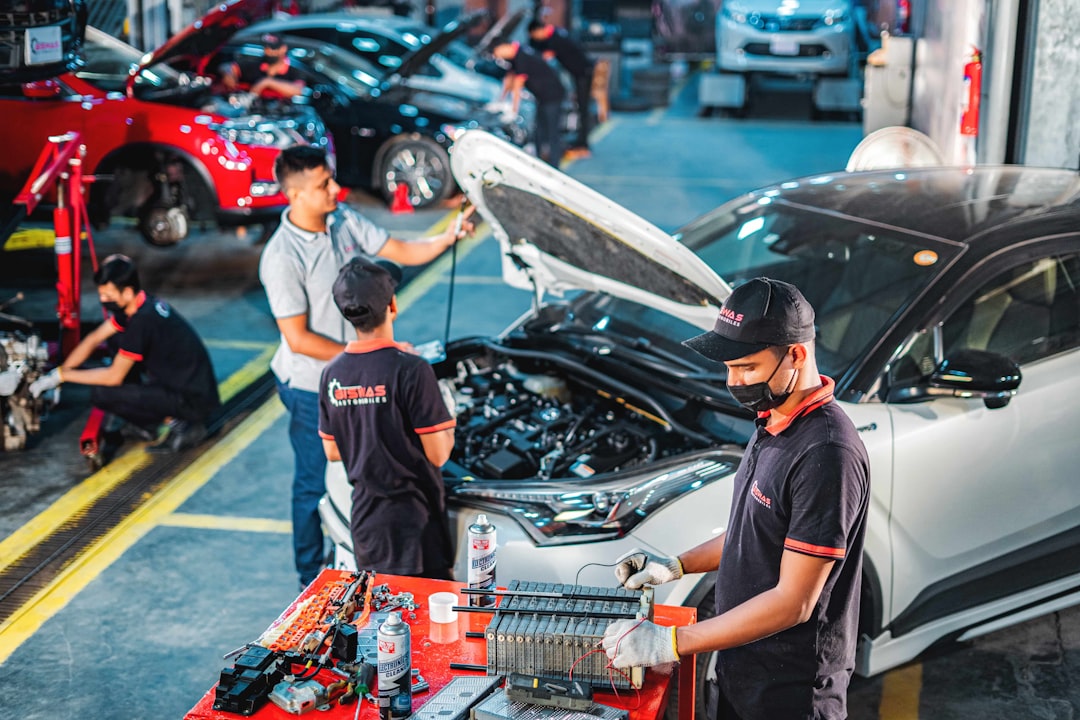
Ehime Nissan’s decision to invest in Tamil Nadu reflects a broader trend in the global economy where companies seek to leverage local talent pools while addressing domestic labor shortages. The Japanese automotive industry has been facing challenges due to an aging workforce and a decline in the number of young workers entering the field. By training technicians in Tamil Nadu, Nissan not only fills its workforce needs but also provides a pathway for career advancement for Indian engineers.
As part of the training program, selected candidates will undergo a rigorous curriculum focusing on advanced automotive technologies, including electric vehicles (EVs) and autonomous driving systems. This is particularly timely, as Japan aims to increase its EV market share to 20% by 2025, requiring a workforce adept in cutting-edge technologies.
By training technicians in Tamil Nadu, Nissan not only fills its workforce needs but also provides a pathway for career advancement for Indian engineers.
The training initiative also underscores the importance of international collaboration in skill development. With over 60% of the global automotive market in need of skilled technicians, partnerships like this one are crucial. According to the Japan Automobile Manufacturers Association, the country’s automotive industry could face a shortage of up to 50,000 skilled workers by 2030 if current trends continue. Programs like Nissan’s training aim to mitigate this risk while fostering a sense of global community among engineers.
Moreover, this initiative resonates with the Indian government’s “Skill India” campaign, which seeks to empower the youth with industry-relevant skills. The partnership may serve as a model for other multinational companies looking to expand their footprint in India while simultaneously addressing skill shortages back home.
For Tamil Nadu’s youth, this presents a dual opportunity: gaining internationally recognized skills while potentially securing employment in Japan. As the program rolls out, participants will also receive insights into Japanese work culture, which emphasizes efficiency, teamwork, and continuous improvement — values that are increasingly important in today’s globalized workplace.
As the program progresses, it will be crucial to monitor its impact not only on employment rates in Tamil Nadu but also on the broader implications for international labor movements. The success of this initiative could inspire similar collaborations across different sectors and regions, driving a new wave of skilled migration.
 Education & University Insights
Tamil Nadu Schools Close in Four Districts on October 21
The IMD issued orange alerts for nine districts and yellow alerts for the rest of Tamil Nadu, with heavy to very heavy rain forecast through…
Read More →For Tamil Nadu’s youth, this presents a dual opportunity: gaining internationally recognized skills while potentially securing employment in Japan.
The collaboration between Ehime Nissan and Tamil Nadu institutions is a significant step toward creating a more interconnected global workforce. As companies increasingly look to international markets for talent, initiatives like this will play a vital role in shaping the future of work, making it imperative for participants to harness this opportunity fully.
Written by Career Ahead AI. AI can make mistakes, so verify key facts. Report errors to support@careeraheadonline.com.