No products in the cart.

Electronics Masters Challenge Make | Career Outlook
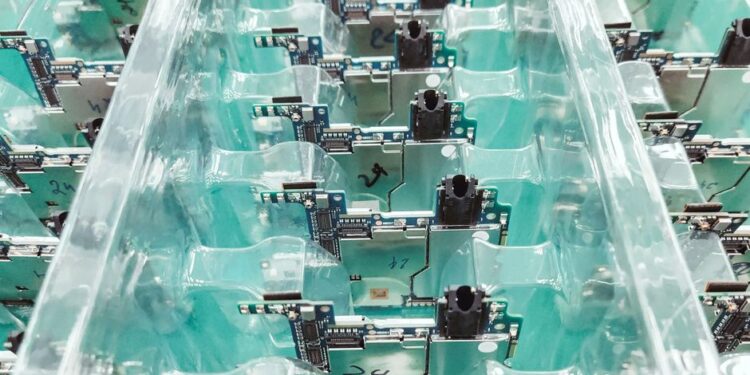
India's electronics assembly sector is transforming under the Make in India initiative, with companies like Optiemus Electronics leading the way. However, the challenge lies in enhancing local component manufacturing capabilities to reduce dependency on imports.

India’s electronics assembly sector is undergoing a significant transformation as the government intensifies its Make in India initiative. This push aims to position India as a global manufacturing hub for electronics, particularly in the wake of rising labor costs in China. The Production Linked Incentive (PLI) scheme has already attracted substantial investments, but the real challenge lies in enhancing manufacturing capabilities to produce critical components domestically.
As part of this initiative, companies like Optiemus Electronics Ltd. are leading the charge in electronics assembly. In their Noida factory, they have successfully produced over one million routers for TP-Link within a year, showcasing the potential of Indian manufacturers. This success story is not just a testament to assembly capabilities but also highlights the need for a deeper focus on local component manufacturing. According to a report by Mint, while assembly operations are thriving, the challenge remains in upgrading factories to manufacture essential components that go into these products, such as semiconductors and circuit boards.
Government Policies Driving Change in Electronics Manufacturing
The Indian government’s PLI scheme has proven to be a game changer for the electronics sector. According to Career Ahead’s analysis, the PLI scheme has led to an investment of ₹69,000 crore, surpassing its original target by ₹10,000 crore. This investment has been crucial in scaling up production capabilities among contract manufacturers like Syrma SGS and Dixon Technologies. However, while assembly operations have seen significant growth, the focus is now shifting towards producing essential components like camera modules and displays locally. As reported by the Economic Times, the influx of foreign companies looking to establish manufacturing bases in India is a direct result of these favorable policies, which are designed to bolster local production and reduce dependency on imports.
Despite these advancements, the local value addition in India remains low, at around 15-18%, compared to 40% in China. This discrepancy underscores the urgent need for Indian manufacturers to develop their supply chains and reduce dependency on imports for critical components. Many manufacturers still rely on legacy equipment, which hampers their ability to adopt new technologies and automation processes. The need for modernization is evident, as outdated machinery can significantly slow down production rates and affect overall quality. Furthermore, as highlighted by the BBC, the shift towards advanced manufacturing is not just about technology but also about creating a skilled workforce capable of operating and maintaining these new systems.
Career Ahead research identifies that the next phase of growth for India’s electronics assembly sector hinges on upgrading existing factories and investing in advanced manufacturing technologies. Automation and robotics are increasingly seen as vital to enhancing efficiency and productivity. For instance, companies are beginning to implement surface-mount technology (SMT) and automated guided vehicles in their production lines, which are essential for meeting global quality standards. However, transitioning to fully automated systems poses challenges. Many factories are still operating in a hybrid mode, combining manual labor with some automation. As Aditi Sharma from Assocham notes, this piecemeal approach to automation will not suffice. Manufacturers need to adopt a holistic strategy that prioritizes automation in their production processes to compete effectively on a global scale.
Furthermore, as highlighted by the BBC, the shift towards advanced manufacturing is not just about technology but also about creating a skilled workforce capable of operating and maintaining these new systems.
You may also like
 Industry & Global Trends
JPMorgan Leads $5 Billion Debt Package for Volta AI Buildout
As Volta AI seeks to establish itself as a major player in the AI cloud market, this investment allows the company to enhance its capabilities…
Read More →Moreover, the integration of Industry 4.0 technologies, including the Internet of Things (IoT) and big data analytics, is becoming increasingly important. These technologies can provide real-time insights into production processes, enabling manufacturers to optimize operations and reduce waste. As more companies embrace these innovations, the competitive landscape will shift, placing pressure on those who lag behind in adopting such advancements.
Emerging Technologies and Skills for Competitive Manufacturing
The integration of emerging technologies in electronics assembly is crucial for India to establish itself as a global manufacturing powerhouse. With automation becoming more prevalent, electronics assembly engineers must adapt by acquiring new skills in robotics, artificial intelligence, and data analytics. These skills will be essential for managing increasingly automated production lines and ensuring quality control. Additionally, as the demand for skilled labor in the electronics sector is expected to rise significantly, engineers specializing in automation and robotics will be at the forefront of this demand, as companies seek to enhance their production capabilities. Educational institutions and training programs will need to respond to this demand by offering tailored courses that focus on these emerging technologies.
Furthermore, the need for engineers who can bridge the gap between traditional manufacturing practices and modern automated systems is critical. As manufacturers invest in advanced technologies, there will be a pressing need for professionals who can integrate these systems into existing workflows. This integration will require a deep understanding of both the technical aspects of automation and the operational needs of manufacturing facilities. As highlighted by Bloomberg, the evolving landscape of manufacturing necessitates a workforce that is not only technically proficient but also adaptable to rapid changes in technology and market demands.
As the landscape of electronics assembly continues to evolve, professionals in the field must stay abreast of technological advancements and industry trends. This proactive approach will enable them to remain competitive and capitalize on emerging opportunities within the sector. The future of India’s electronics assembly sector hinges on its ability to innovate and adapt. As government initiatives continue to promote local manufacturing, the focus will shift towards enhancing capabilities and reducing reliance on imports. For electronics assembly engineers, this means embracing new technologies and developing the skills necessary to thrive in a rapidly changing environment.
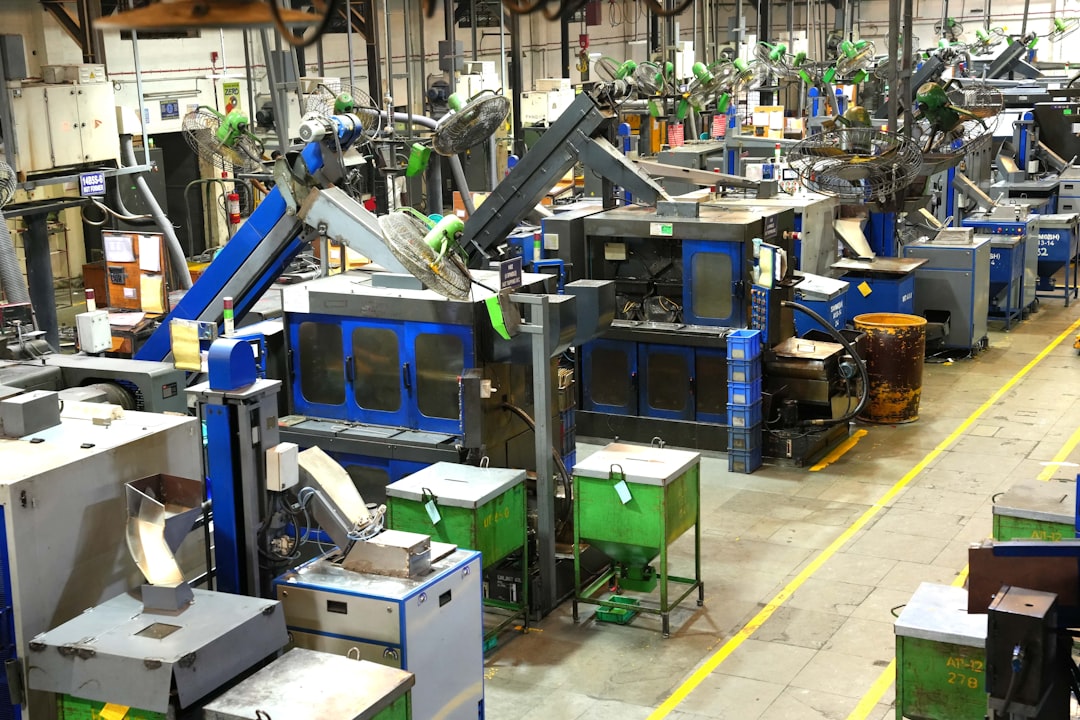
Moreover, as the industry evolves, there will be a need for collaboration between manufacturers, educational institutions, and government bodies to create a robust ecosystem that supports skill development.
As India strives to become a global hub for electronics manufacturing, the implications for the workforce are profound. The shift towards automation and advanced manufacturing processes means that electronics assembly engineers will need to continuously upskill. The government’s focus on local production is set to reshape the job market, with a growing emphasis on roles that require expertise in automation, robotics, and supply chain management.
You may also like
 Industry & Global Trends
AI Boom Faces Debt and Funding Challenges | Career Outlook
AI startups are facing significant risks due to rising debt financing, circular funding models, and the emergence of cheaper Chinese AI solutions, raising concerns about…
Read More →In the coming years, as more foreign companies look to establish manufacturing bases in India, the competition for skilled engineers will intensify. This presents both challenges and opportunities for professionals in the field. Those who can adapt to changing technologies and processes will find themselves in high demand, while those who resist change may struggle to remain relevant. Moreover, as the industry evolves, there will be a need for collaboration between manufacturers, educational institutions, and government bodies to create a robust ecosystem that supports skill development. Such partnerships will be essential in ensuring that the workforce is equipped to meet the demands of a modern manufacturing landscape.
Looking ahead, the question remains: can India successfully transition from an assembly-based model to one that encompasses the entire manufacturing process, including critical component production? The answer to this question will determine not only the future of the electronics assembly sector but also India’s position in the global manufacturing arena.
Frequently Asked Questions
What are the latest trends in electronics assembly in India?
Career Ahead analysis shows that the latest trends in electronics assembly focus on increasing automation and local component production. The government’s Production Linked Incentive scheme is driving investment in advanced manufacturing technologies.
Emphasizing skill development for the workforce will also be crucial for maintaining competitiveness.
How can manufacturing plant managers optimize operations under Make in India?
Manufacturing plant managers can optimize operations by investing in automation and upgrading existing equipment. Emphasizing skill development for the workforce will also be crucial for maintaining competitiveness.

What skills should electronics assembly engineers develop to succeed in the evolving market?
Electronics assembly engineers should focus on acquiring skills in automation, robotics, and data analytics. These skills will be essential for managing automated production lines and ensuring quality control in manufacturing processes.
You may also like
 Industry & Global Trends
Persistent Systems’ Deal Wins Elevate Growth Outlook
Persistent Systems' acquisition of Nagarro for $1.4 billion significantly impacts its market outlook, but rising costs may pressure profit margins and job stability.
Read More →