No products in the cart.

Elite NYC School Faces Diversity Crisis with 3 Black Admits

An elite public school in New York City admitted 777 students this year, with only 3 being Black. This alarming statistic reflects a broader national trend of underrepresentation of Black and Hispanic students in specialized high schools, raising urgent questions about educational equity.

An elite public school in New York City admitted 777 students this year. Only 3 of those students were Black. This stark statistic shows a troubling trend in admissions at specialized high schools across the United States. Black and Hispanic students remain significantly underrepresented in these institutions, which has drawn widespread criticism and raised urgent questions about educational equity in one of the nation’s most diverse cities.
The admissions data from this elite school has sparked outrage among community leaders and advocates nationwide. Many argue that the current system creates inequality and limits opportunities for underrepresented students. While the number of students admitted is substantial, the lack of diversity is alarming. Community stakeholders are increasingly vocal about the need for reform, emphasizing that these disparities have long-term effects on students’ educational and career prospects.
Understanding the Admissions Disparities
The admissions process for specialized high schools, such as those in New York City, has long been debated. Critics argue that standardized testing disproportionately affects Black and Hispanic students, who may not have access to the same resources as their peers. A recent analysis shows that the admissions test does not reflect the potential of students from diverse backgrounds, leading to a significant drop in representation. This issue is not confined to New York; similar trends are observed in elite schools across major cities like Chicago, Los Angeles, and Washington D.C.
Career Ahead’s analysis reveals that inadequate preparation resources for Black and Hispanic students worsen these disparities. Many students from these communities attend underfunded schools that do not offer the same level of test preparation as more affluent districts. This creates a cycle where talented students are overlooked due to systemic barriers, not a lack of ability. In 2025, only 4% of admitted students in specialized high schools nationwide were Black, highlighting ongoing challenges faced by these communities.
The implications of these admissions trends are profound, limiting access to advanced educational opportunities and future career advancement. The impact of these disparities extends beyond the classroom; students in specialized schools often have better access to prestigious colleges and career opportunities. The current admissions landscape affects individual students and perpetuates broader societal inequalities.
The implications of these admissions trends are profound, limiting access to advanced educational opportunities and future career advancement.
You may also like
 Education & University Insights
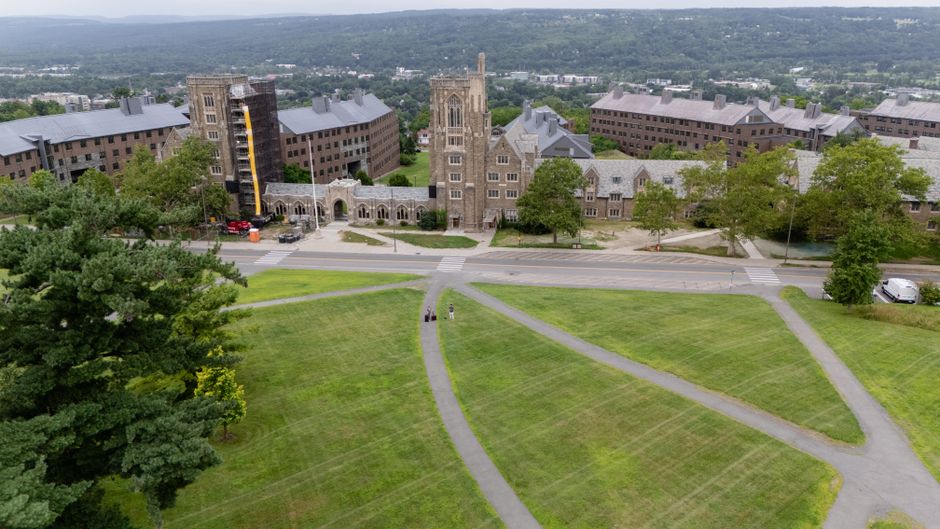
Cornell President Calls Rape Inquiry ‘Defining Moment’ for Campus | Career Outlook
Cornell University's president, Michael Kotlikoff, has labeled the ongoing rape inquiry a 'defining moment' for the institution, emphasizing the need for significant changes in campus…
Read More →As community advocates push for change, it is crucial to recognize the importance of representation in education. Diverse student bodies create richer learning experiences and prepare all students for a multicultural society. The lack of representation in elite schools raises questions about the future workforce and the inclusivity of various industries.
Community Response and Advocacy Efforts
The community’s response has been swift and resolute. Advocacy groups are mobilizing to demand changes in the admissions process, calling for a more equitable approach that considers the diverse backgrounds of all students. Many community leaders have organized rallies and discussions to raise awareness about this issue, emphasizing the need for systemic reform.
Organizations focused on educational equity propose alternative admissions criteria that prioritize diversity and inclusion. They suggest considering middle school performance and teacher recommendations, rather than just standardized test scores. These proposals aim to create a more holistic admissions process that recognizes the potential of all students, regardless of their background.
Local politicians across the country are beginning to notice the growing discontent around admissions policies. Some have pledged to support legislation to reform the admissions process for specialized schools, while others advocate for increased funding for schools serving predominantly Black and Hispanic students. These efforts reflect a broader recognition of the need for change and the importance of addressing educational inequities.
Communities demand not only representation in elite schools but also accountability from educational institutions to ensure that all students have equal access to opportunities.

As advocacy efforts gain momentum, the conversation about educational equity is becoming increasingly relevant. Communities demand not only representation in elite schools but also accountability from educational institutions to ensure that all students have equal access to opportunities.
You may also like
 Education & University Insights
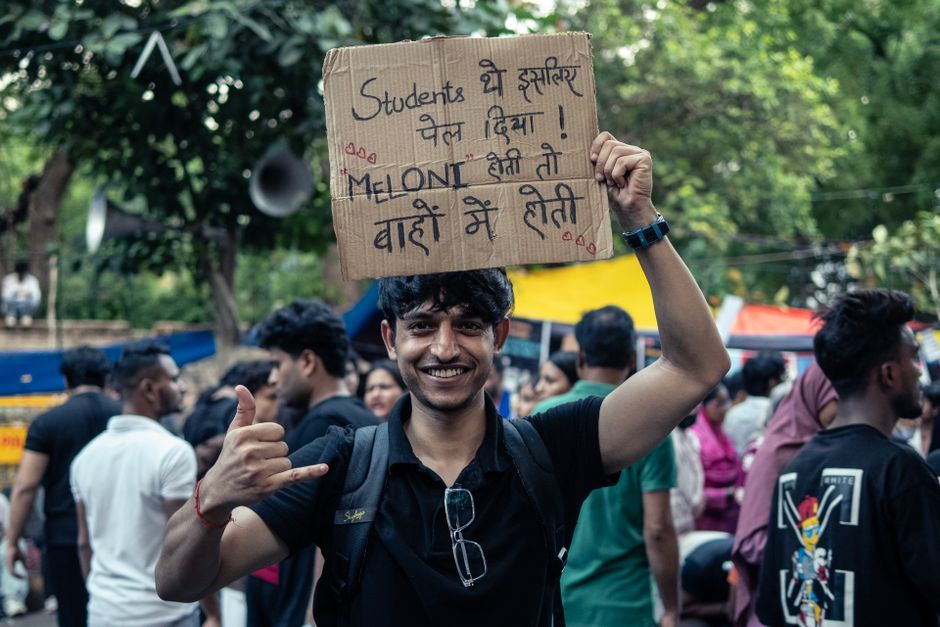
Ambedkar University Updates PhD Fellowship Guidelines
Ambedkar University has revised its PhD fellowship guidelines, easing attendance requirements following significant student protests. The changes reflect a growing trend in higher education where…
Read More →The disparities in admissions to specialized high schools in New York City are not just a statistical anomaly; they represent a larger systemic issue that needs immediate attention. The community’s response shows a collective desire for change and a commitment to ensuring that all students have a fair chance to succeed.
The ongoing dialogue about admissions policies and educational equity will shape the future of education not only in New York City but across the nation. As advocates push for reform, the question remains: will cities across the U.S. take the necessary steps to create a more inclusive and equitable educational system for all students?
Frequently Asked Questions
What can Black high school students do to improve their chances of admission to specialized schools?
Career Ahead analysis suggests that Black high school students should seek out preparatory programs for the specialized high school admissions test. Engaging with mentors and accessing academic support can enhance their chances of success.
Career Ahead analysis suggests that Black high school students should seek out preparatory programs for the specialized high school admissions test.
What resources are available for Hispanic high school students to prepare for specialized school admissions?
Hispanic high school students can explore community organizations that offer tutoring and test preparation for specialized high school admissions. Many local nonprofits provide free resources and workshops to improve test-taking skills and academic performance.
How can students advocate for more equitable admissions policies?
Students can advocate for equitable admissions policies by participating in community meetings, joining advocacy groups, and raising awareness through social media. Engaging with local leaders and policymakers can amplify their voices in the push for change.
You may also like
 Education & University Insights
Cornell University Faces Nightlife Challenges Amid Recent Turmoil
Cornell University is grappling with a decline in student nightlife and social engagement following serious allegations on campus. This shift not only affects student life…
Read More →