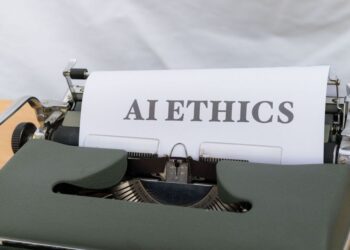
AI predictions suggest a staggering 80% job loss by 2030.
Tech leaders like Musk and Bezos highlight the need for new skills.
Workers must adapt to remain relevant in a rapidly changing job market.
The landscape of work is shifting dramatically. An advertisement featuring prominent tech leaders like Elon Musk, Jeff Bezos, and Sam Altman has stirred significant conversation about the role of Artificial Intelligence (AI) in the future job market. The ad posits a startling prediction: up to 80% of jobs could be eliminated by 2030 due to advancements in AI technology. This is not just a theoretical scenario; it poses real implications for millions of workers globally. As a young professional, understanding these shifts is crucial for navigating your career in the coming years.
The ad, which has garnered attention across various platforms, showcases a dystopian future where AI takes over numerous job functions traditionally performed by humans. This narrative aligns with ongoing discussions in the tech industry regarding the impact of automation and AI on employment. As AI systems become more capable, many fear that the job market will struggle to keep pace, leading to widespread unemployment. The urgency of this message resonates as companies increasingly adopt AI technologies, reshaping their workforce strategies.
According to a report from a leading AI firm, the potential for job displacement is significant. Many industries, including manufacturing, retail, and even professional services, may face severe disruptions. Workers in these sectors must prepare for a future where their roles may no longer exist or will be drastically altered. The time to act is now; understanding these changes is vital for anyone looking to secure their career path.
The Dark Predictions of AI’s Impact on Employment
The ad featuring Musk, Bezos, and Altman isn’t the only source of concern. Reports, including one from a major financial newspaper, emphasize that AI’s rapid integration into the workforce could lead to significant job losses. For instance, a recent study suggests that automation could replace up to 25% of jobs in the next five years alone. This trend is particularly alarming for entry-level positions, which are often the first to be affected by technological advancements.
The current landscape indicates a pivotal moment for IT companies as they navigate the integration of AI into their operations, presenting both challenges and opportunities…
Workers in these sectors must prepare for a future where their roles may no longer exist or will be drastically altered.
Moreover, the implications extend beyond mere job loss. The nature of work itself is evolving. Many positions will require new skill sets, focusing on digital literacy, critical thinking, and emotional intelligence. As a result, workers must adapt to these changes to remain competitive. The ability to learn and unlearn skills will become paramount in a landscape defined by AI.
Additionally, the narrative of job loss is not only about the quantity of jobs but also their quality. Many of the new roles created by AI may not offer the same stability or benefits as traditional jobs. Freelance and gig work are expected to rise, leading to a more precarious employment situation for many workers. This shift highlights the need for a robust safety net and support systems for those displaced by technological advancements.
What This Means for Your Career
Understanding the implications of AI on employment is crucial for your career trajectory. Here’s how these predictions affect different career stages:
Entry-Level Workers: For those just starting their careers, the landscape can seem daunting. Many entry-level jobs may be automated, reducing the number of available positions. However, this also opens opportunities in emerging fields focused on AI technology and data analysis. Upskilling in these areas can provide a competitive edge.
Mid-Career Professionals: If you are in the middle of your career, it’s essential to reassess your skills. As AI continues to evolve, roles that once seemed secure may become obsolete. Consider diversifying your skill set to include AI-related competencies, which can enhance your employability.
Career Switchers: If you are contemplating a career change, the current environment presents both challenges and opportunities. Fields that integrate AI are likely to grow, and transitioning into tech-focused roles could be beneficial. Research and training in AI and machine learning can position you favorably in the job market.
Steps to Adapt in an AI-Driven Job Market
As the job market evolves, taking proactive steps to adapt is crucial. Here are some actionable strategies:
Invest in Continuous Learning: Keep your skills updated by enrolling in online courses focused on AI and technology. Platforms like Coursera and Udacity offer programs that can boost your knowledge and employability.
Network with Industry Professionals: Join professional networks and groups focused on AI and technology. Engaging with others in your field can provide insights into emerging trends and job opportunities.
Consider Freelancing or Contract Work: As traditional job roles change, exploring freelance opportunities can provide flexibility and new experiences. Websites like Upwork and Freelancer can help you find projects that match your skills.
Scott Bessent emphasizes the need for the AI industry to acknowledge its risks and pursue solutions, highlighting the importance of accountability and ethical considerations in…
However, experts warn that this trend may not be sustainable. A recent analysis suggests that while AI will displace many jobs, it will also create new opportunities that we cannot yet fully understand. The balance between automation and human employment may lead to a new equilibrium in the job market, but it will require careful planning and adaptation from both workers and employers.
Mid-Career Professionals: If you are in the middle of your career, it’s essential to reassess your skills.
The Future of Work in an AI-Driven World
The predictions surrounding AI and job loss highlight a transformative period for the workforce. As we approach 2030, the integration of AI into everyday work will likely accelerate. This shift could redefine not only how we work but also what work means for future generations.
As you consider your career path, think about the skills that will be in demand in this new landscape. Emphasizing adaptability and continuous learning will be key to thriving in an environment characterized by rapid technological change. Will you be ready to embrace the future of work, or will you be left behind?




AI & Technology

AI & Technology