Delhi, India — As the chill of winter approaches, a new wave of direct-to-consumer (D2C) brands is making significant strides in the retail space. These companies are not only gaining traction online but are also establishing robust offline presences, capturing a diverse consumer base eager for stylish and functional winter wear. With the D2C market expected to reach $100 billion by 2025, these brands are redefining what it means to shop for winter apparel.
The D2C model allows companies to sell directly to consumers, bypassing traditional retail channels. This strategy has proven particularly effective for winter wear brands, as it enables them to establish a direct relationship with their customers. Brands like Himalaya and Puma are leading the charge, leveraging their online platforms to drive sales while simultaneously growing their presence in brick-and-mortar stores.
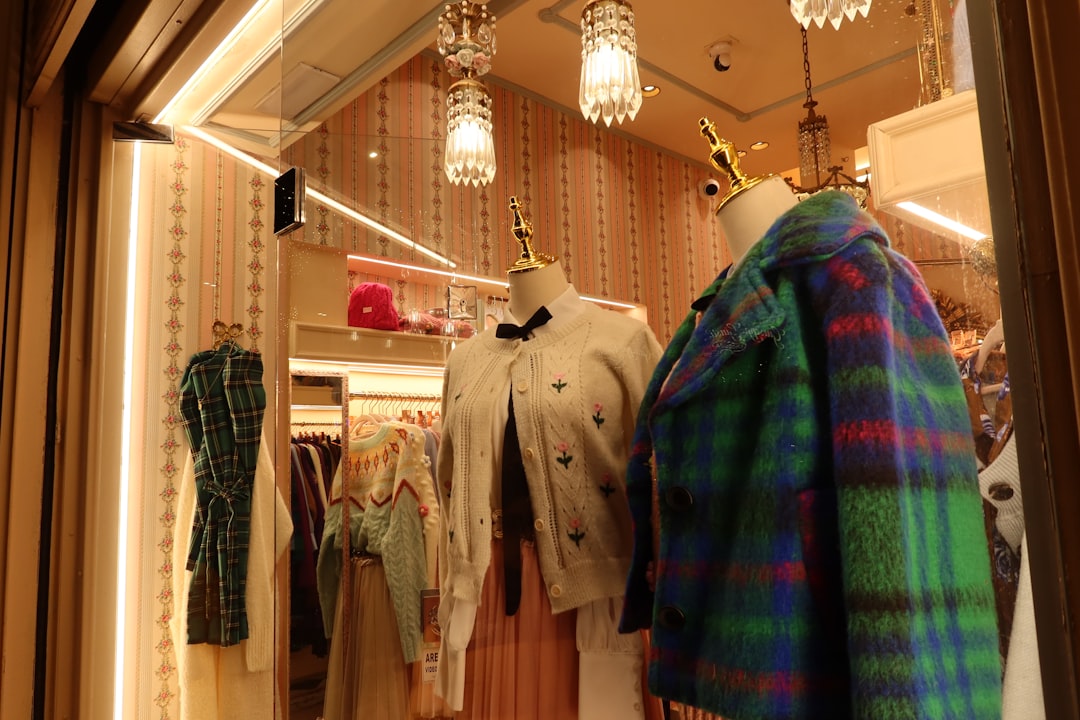 redefining Retail Strategies” loading=”lazy” />
Himalaya, known for its sustainable and functional winter gear, saw a 35% increase in sales in the last fiscal year, attributed to its omnichannel approach. By integrating online sales with physical store experiences, the brand has optimized customer engagement and streamlined its supply chain. Similarly, Puma has reported a 20% year-over-year growth in its D2C sales, highlighting the effectiveness of its dual-channel strategy.
As consumer preferences shift towards sustainability and personal connection, D2C brands are capitalizing on these trends. According to a recent report by Statista, 70% of Indian consumers prefer shopping for brands that have a clear sustainability ethos. This shift has prompted brands to focus on eco-friendly materials and transparent manufacturing processes, enhancing their appeal among environmentally conscious shoppers.
The offline expansion of D2C brands is also noteworthy. While e-commerce sales are booming, physical stores offer brands a unique opportunity to create immersive shopping experiences. For instance, Decathlon has opened several experience centers across major cities in India, allowing customers to try on products and engage with knowledgeable staff. This model not only boosts brand loyalty but also provides invaluable feedback to refine product offerings.
Moreover, the integration of technology into retail spaces is transforming how consumers interact with brands. Augmented reality (AR) and virtual fitting rooms are becoming increasingly popular, allowing customers to visualize how apparel will look and fit without physically trying them on. Adidas recently launched an AR feature in its app, which lets users see how their winter jackets fit in real-time. This innovation caters to the tech-savvy consumer base and enhances the overall shopping experience.
However, the path to success is not without challenges. Competition in the D2C space is fierce, with brands vying for consumer attention in a crowded market. Customer acquisition costs are rising, and maintaining profitability remains a significant hurdle. A study by Forbes highlights that D2C brands are spending up to 30% more on marketing than traditional retailers, underscoring the need for innovative strategies to attract and retain customers.
Additionally, supply chain disruptions caused by global events have posed a significant threat to D2C brands. Many companies faced delays in sourcing materials and shipping products, which led to stock shortages during peak seasons. As a solution, brands are now investing in local manufacturing and flexible supply chains to mitigate these risks. This trend is not only enhancing reliability but also supporting local economies.
Looking ahead, the D2C winter wear sector is poised for growth. As technology continues to evolve, brands that embrace digital transformation will likely lead the market. Enhanced data analytics will allow companies to better understand consumer behavior and preferences, tailoring their offerings accordingly. Furthermore, as sustainability becomes a central theme in consumer choices, brands that prioritize eco-friendly practices will have a competitive edge.
In a rapidly changing retail environment, the successful D2C brands will be those that not only adapt to consumer trends but also innovate within their operational frameworks. By merging online and offline experiences, investing in sustainable practices, and leveraging technology, these companies are not just selling winter wear—they are shaping the future of retail.
Written by Career Ahead AI. AI can make mistakes, so verify key facts. Report errors to support@careeraheadonline.com.