Hybrid work has become the default for a measurable share of the U.S. labor force, forcing professionals to replace hallway chats with video calls and digital platforms. Leveraging emotional intelligence—particularly emotional contagion—now determines who builds lasting career capital and who stalls in virtual corridors.
The shift to blended office‑remote models is accelerating the premium on relational skills that can travel across screens. As organizations embed digital collaboration tools, the ability to read, mirror, and influence emotions becomes a structural lever for career mobility. This article dissects how emotional contagion operates within networking, the systemic ripple effects on leadership pipelines, and the emerging metrics that will dictate talent value in the next three years.
Hybrid work redefines networking fundamentals
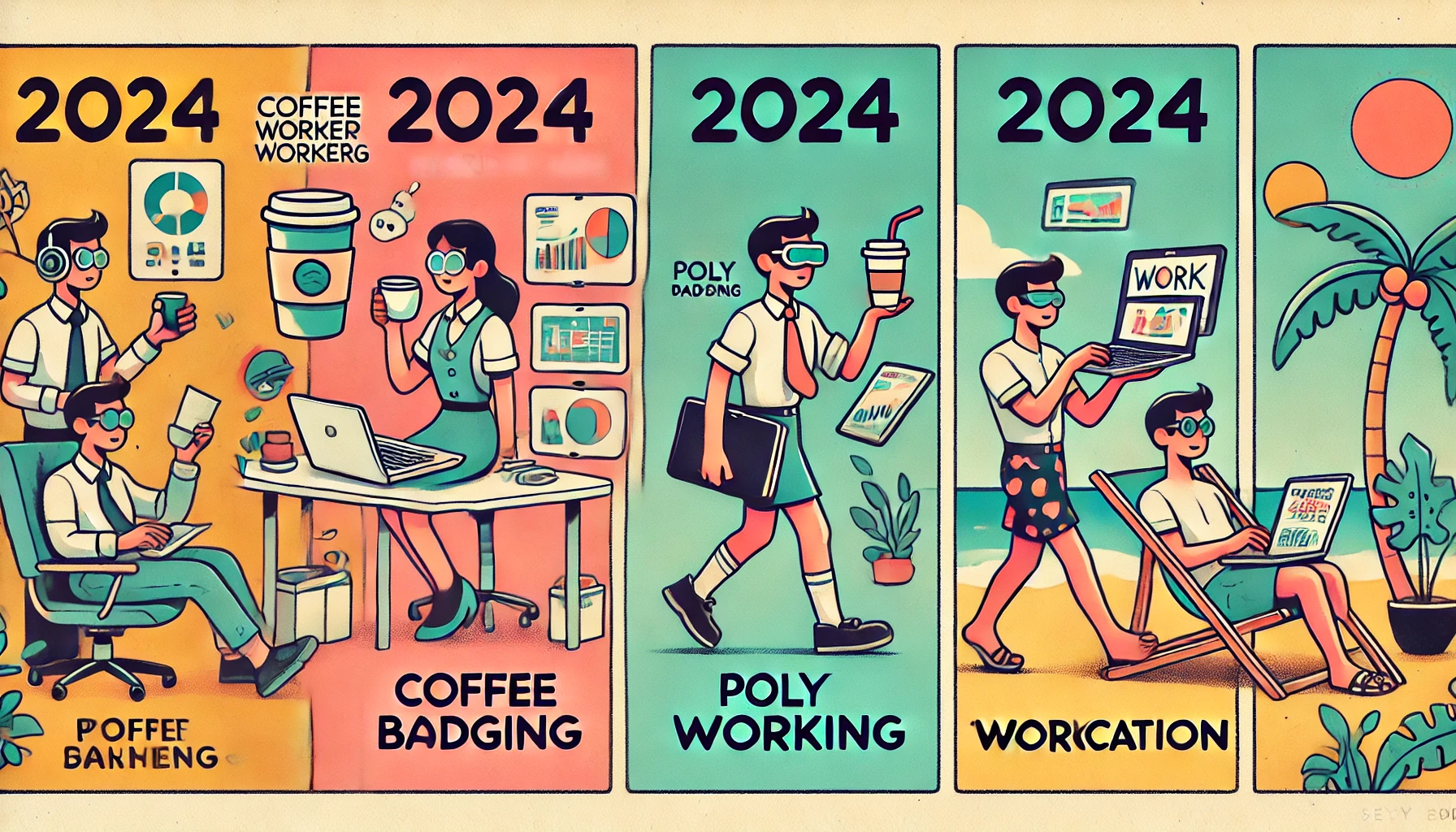
Hybrid schedules now cover a non‑trivial fraction of full‑time employment, with Gallup reporting that 56 % of U.S. workers split time between office and home as of 2023. This redistribution erodes spontaneous in‑person interactions, making deliberate emotional signaling essential. Professionals who can project authenticity through tone, facial cues, and timely empathy translate brief virtual touchpoints into durable relational assets.According to Career Ahead’s analysis of hybrid work adoption, the loss of organic office encounters has elevated the strategic importance of emotional intelligence by reshaping how career capital is accrued. Firms now reward employees who can sustain morale across dispersed teams, embedding EI metrics into performance dashboards.“Emotional contagion amplifies trust signals in virtual meetings, converting brief exchanges into lasting professional capital.”
Emotional contagion as the core networking mechanism

Practitioners who consciously align their vocal cadence and facial expressions with interlocutors generate a resonance that shortens trust cycles. A 2022 Harvard Business Review analysis linked high‑EI managers to a 20 % uplift in team engagement, illustrating how affective alignment directly fuels performance outcomes. By mastering contagion, professionals can convert a single LinkedIn message into a cascade of referrals and mentorship opportunities.
Systemic implications for leadership pipelines and institutional power
When emotional contagion becomes a networking currency, leadership selection criteria shift from purely technical credentials to affective influence. Boards increasingly scrutinize CEOs’ ability to rally stakeholders through empathy, as evidenced by the World Economic Forum’s 2023 Future of Jobs Report, which ranks emotional intelligence among the top ten skills for 2025.This re‑weighting reallocates institutional power toward individuals who can engineer collective enthusiasm, thereby accelerating their ascent into senior roles. Organizations that embed EI development into onboarding and succession planning create a feedback loop that consolidates both cultural cohesion and competitive advantage.
According to Career Ahead’s analysis of hybrid work adoption, the loss of organic office encounters has elevated the strategic importance of emotional intelligence by reshaping how career capital is accrued.
Stakeholder impact: who gains and who must adapt

Employers benefit from reduced turnover costs and heightened innovation, but must allocate resources for EI coaching and assessment tools. HR platforms are already integrating sentiment‑analysis APIs to flag disengagement early, prompting proactive outreach.
Outlook: institutionalizing EI metrics over the next three years
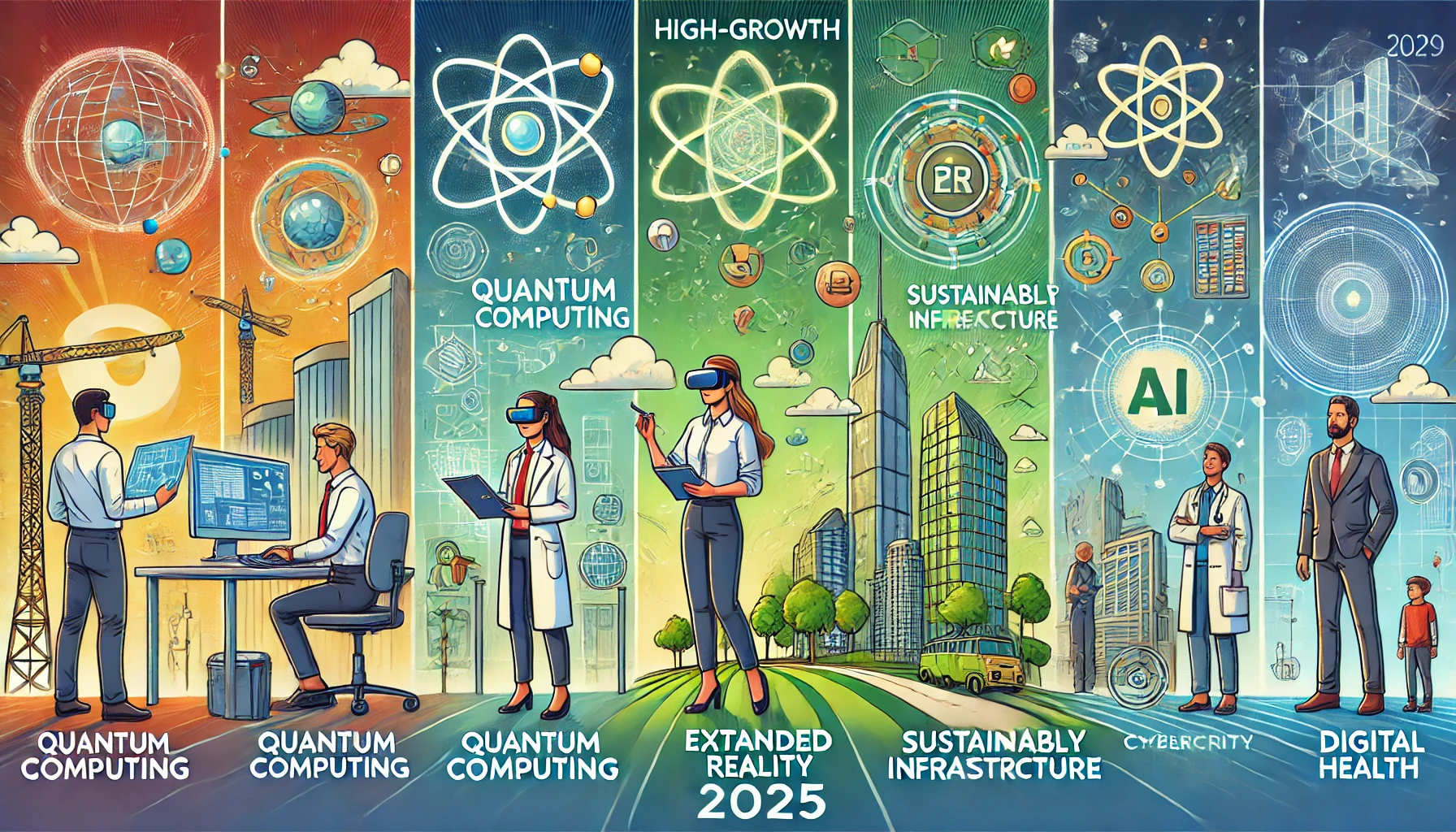
By 2029, a measurable share of Fortune 500 firms will embed EI scores into compensation formulas, linking bonuses to peer‑reviewed empathy indices. AI‑driven coaching bots will deliver real‑time feedback on vocal tone and facial micro‑expressions during virtual meetings, standardizing contagion training at scale.Regulators may also require transparent reporting of workplace affective health, mirroring existing ESG disclosures. Professionals who preemptively certify in EI—through programs recognized by the International Coaching Federation—will command a premium in talent marketplaces, translating affective competence into a quantifiable component of career capital.
The evolving landscape makes emotional contagion not just a soft skill but a structural determinant of professional trajectory.
Key Structural Insights
[Insight 1]: Hybrid work has displaced organic networking, turning emotional contagion into the primary mechanism for building career capital across digital platforms.
[Insight 2]: Organizations that embed EI metrics into performance systems gain a measurable advantage in leadership pipelines and talent retention.
The evolving landscape makes emotional contagion not just a soft skill but a structural determinant of professional trajectory.
[Insight 3]: Within three years, AI‑enabled affective feedback will standardize EI development, making emotional intelligence a quantifiable asset in compensation and hiring decisions.
Empathy amplifies connections: By actively listening and acknowledging others’ emotions, professionals can foster deeper, more meaningful relationships that transcend transactional networking, leading to lasting professional partnerships.
Emotional authenticity boosts credibility: Authentic emotional expression and vulnerability can establish trust and credibility with colleagues and industry peers, ultimately paving the way for more effective and mutually beneficial career collaborations.
Written by Career Ahead AI. AI can make mistakes, so verify key facts. Report errors to support@careeraheadonline.com.