No products in the cart.

Empathy in Action: Schools Leading Global Citizenship Education

Discover how schools worldwide are integrating global citizenship education, fostering empathy and awareness among students. Explore case studies and future implications.

New York, USA — Schools across the globe are increasingly recognizing the importance of global citizenship education (GCE) in fostering empathy and awareness among students. This shift comes amid a growing recognition that education must extend beyond traditional academics to include teaching students about their roles in a connected world. GCE encourages students to engage with global issues, understand diverse perspectives, and develop a sense of responsibility toward others.
This educational paradigm is not just about knowledge acquisition; it’s about cultivating a mindset that prepares students to navigate and contribute positively to an interconnected society. As the world grapples with pressing challenges such as climate change, inequality, and social injustice, the role of education in shaping responsible global citizens has never been more critical.
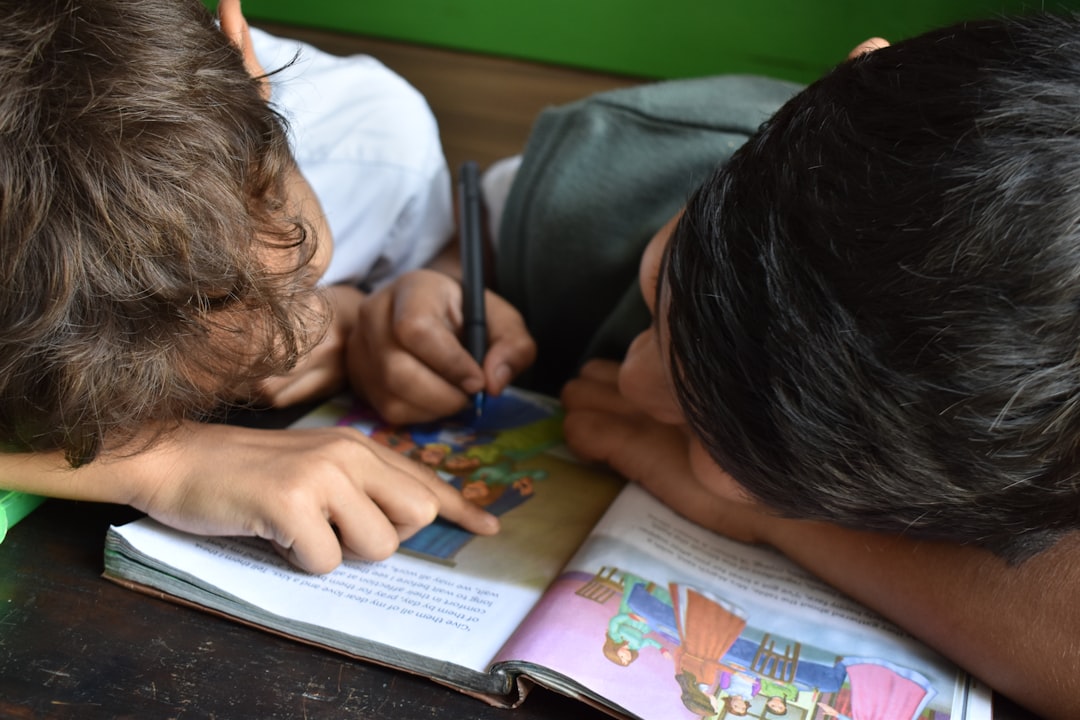
Contextually, GCE encompasses various dimensions, including environmental stewardship, cultural awareness, and social justice. According to UNESCO, global citizenship education is essential for achieving the United Nations’ Sustainable Development Goals (SDGs), particularly Goal 4, which emphasizes inclusive and equitable quality education. In recent years, educational institutions have begun to integrate GCE into their curricula, often through innovative teaching methods that prioritize experiential learning and community engagement.
For instance, the International School of Amsterdam has implemented a curriculum that emphasizes social responsibility and environmental awareness. Students participate in projects that address local and global challenges, such as climate action and poverty alleviation. This hands-on approach not only enhances students’ understanding of complex issues but also empowers them to take actionable steps within their communities.
 Career Development
LinkedIn’s 2025 Algorithm Overhaul: What Professionals Must Know Now
LinkedIn’s 2025 algorithm update prioritizes authentic engagement and skills-based content, reshaping how job seekers and recruiters connect in a competitive…
Read More →According to UNESCO, global citizenship education is essential for achieving the United Nations’ Sustainable Development Goals (SDGs), particularly Goal 4, which emphasizes inclusive and equitable quality education.
Similarly, the Global School in the UK has adopted a model that encourages students to explore global issues through interdisciplinary studies. By combining subjects such as geography, history, and ethics, the school fosters critical thinking and empathy. Students engage in discussions about global events, allowing them to develop informed opinions and a deeper understanding of the world around them.
These educational models highlight the transformative potential of GCE. By embedding empathy and global awareness into the fabric of education, schools are equipping students with the skills necessary to thrive in a diverse and rapidly changing world. This approach not only benefits students but also contributes to the development of more cohesive societies.
However, the implementation of GCE is not without challenges. Educators often face resistance from stakeholders who may view such initiatives as secondary to traditional academic subjects. Additionally, there is a lack of standardized frameworks for assessing the effectiveness of GCE programs, making it difficult to measure their impact.
Despite these obstacles, the momentum for GCE continues to grow. According to a 2022 report by the Global Education Monitoring Report, over 90% of countries recognize the importance of educating for global citizenship. This acknowledgment is a significant step toward institutionalizing GCE within educational systems worldwide.
 Beauty and Makeup
A New Era in Beauty: 88TH’s Explosive Market Debut
88TH's remarkable market debut not only highlights the beauty industry's growth but also opens new doors for aspiring professionals.
Read More →Moreover, organizations like the Global Citizen Foundation and the Center for Global Education are actively working to support schools in implementing GCE initiatives. They provide resources, training, and networking opportunities for educators, helping to create a global community committed to fostering empathy and awareness.
Looking ahead, the future of global citizenship education appears promising. As the world becomes increasingly interconnected, the demand for empathetic and informed citizens will only grow. Schools that prioritize GCE will be better equipped to prepare students for the complexities of the modern world.
Moreover, organizations like the Global Citizen Foundation and the Center for Global Education are actively working to support schools in implementing GCE initiatives.
Furthermore, as technology continues to evolve, it offers new avenues for enhancing GCE. Virtual exchange programs and digital collaboration tools enable students from different backgrounds to connect and engage with one another in meaningful ways. This technological integration can enhance cross-cultural understanding and foster a sense of global community.
Ultimately, the success of global citizenship education hinges on collaboration among educators, policymakers, and communities. By working together, they can create a supportive environment that nurtures empathy and global awareness in the next generation. The journey toward a more compassionate and informed world starts in the classroom, and the time to act is now. Are we ready to embrace this vital educational shift?
 Career Advice
The Enduring Importance of Cover Letters in Job Applications
Cover letters remain a vital part of job applications, showcasing personality and fit in ways resumes cannot. Learn how to…
Read More →