No products in the cart.

Navigating AI-Led Job Disruptions: Key Strategies for Workers

As AI reshapes industries, workers face unprecedented challenges. Discover key strategies to navigate job disruptions and secure your career.

San Francisco, USA — The rapid integration of artificial intelligence (AI) into the workplace is set to redefine the job landscape in 2025. Recent trends indicate that many companies are leveraging AI technologies to enhance productivity, often resulting in significant layoffs. As industries adapt, workers must equip themselves with new skills and strategies to navigate this evolving environment.
The impact of AI on employment is already palpable. Major tech firms like Google and Microsoft have announced substantial workforce reductions as they automate various roles. For instance, Microsoft laid off approximately 10,000 employees in January 2023, citing a need to streamline operations in the face of increasing automation demands[1]. This trend is not limited to the tech sector; industries such as manufacturing, finance, and even education are witnessing similar shifts. According to a report by the World Economic Forum, 85 million jobs may be displaced by 2025 due to the rise of AI, while 97 million new roles could emerge that are more adapted to the new division of labor between humans and machines[2].
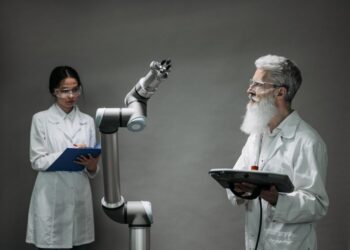
Companies must invest in workforce development to ensure employees are equipped with the necessary skills.
 strategies for Workers” loading=”lazy” />
The upheaval caused by AI doesn’t just threaten job security; it also raises questions about the skills workers need to thrive. The skills gap is widening, as many employees find their current skill sets inadequate in the face of technological advancements. A study by McKinsey found that nearly 50% of workers will need significant retraining by 2030 to remain employable[3]. Workers, particularly those in vulnerable positions, must proactively seek out learning opportunities to stay relevant.
Here are ten key lessons to help workers navigate the AI-driven job market:
- Embrace Lifelong Learning: Continuous education is essential. Online platforms like Coursera and Udacity offer courses that can help you acquire new skills.
- Focus on Soft Skills: Emotional intelligence, creativity, and interpersonal skills remain crucial as AI takes over routine tasks.
- Network Strategically: Building relationships in your industry can open doors to new opportunities and collaborations.
- Stay Informed: Keep abreast of industry trends. Understanding how AI impacts your field can help you anticipate changes.
- Adaptability is Key: Be willing to pivot your career path as new opportunities arise.
- Seek Mentorship: Learning from experienced professionals can provide valuable insights and guidance.
- Utilize Technology: Familiarize yourself with AI tools relevant to your field to enhance your employability.
- Consider Freelancing: The gig economy offers flexibility. Explore freelance opportunities to diversify your income.
- Prioritize Health and Well-being: The stress of job insecurity can be overwhelming. Prioritize mental health resources and self-care.
- Advocate for Fair Policies: Engage in discussions about workplace policies that support workers during transitions.
As the landscape shifts, it is crucial for both employees and employers to adapt. Companies must invest in workforce development to ensure employees are equipped with the necessary skills. This not only benefits individual workers but also enhances overall productivity and innovation within organizations. Firms like Amazon are already stepping up, committing $1.2 billion to upskill 300,000 employees by 2025[4].
In this changing world, the ability to pivot and adapt will define career success. Workers who proactively embrace change, seek out new skills, and remain flexible will find opportunities even in the face of disruption. The future of work is not just about survival; it’s about thriving in an era of AI and automation.
You may also like
 AI & Technology
Vessev built an electric ferry that almost flies
The VS-9 ferry is not just another addition to the marine fleet; it represents a leap forward in ferry design and engineering.
Read More →