No products in the cart.

Employee Wellness Shapes Corporate Innovation

As firms recalibrate capital allocation toward holistic employee programs, the structural.

Employee‑centric cultures now drive breakthrough ideas, with 75 % of talent ranking mental‑health support as a hiring priority and WHO estimating a $1 trillion annual productivity loss from untreated anxiety and depression.
The convergence of rising talent expectations, mounting macro‑economic costs of mental‑health disorders, and mounting evidence linking well‑being to creative output makes the wellness‑innovation nexus a decisive factor for competitive advantage. As firms recalibrate capital allocation toward holistic employee programs, the structural implications for R&D pipelines, patent velocity, and market leadership demand rigorous analysis.
Framing the structural shift in talent markets
The modern labor market treats mental‑health benefits as a core component of total compensation, reshaping employer value propositions. A measurable share of job seekers now screen for wellness provisions, pressuring firms to embed support mechanisms into compensation packages. Simultaneously, the World Health Organization’s $1 trillion productivity loss estimate underscores a systemic risk: untreated mental‑health conditions erode cognitive capacity at scale, throttling the very engine of innovation. Companies that have responded—evidenced by Gallup’s findings of 26 % higher productivity and 41 % lower absenteeism among high‑well‑being workplaces—are witnessing a reallocation of human capital toward idea generation rather than loss mitigation. This alignment of talent attraction, retention, and performance metrics signals a re‑weighting of career capital from purely technical expertise to integrated well‑being assets.
How psychological safety translates into breakthrough ideas
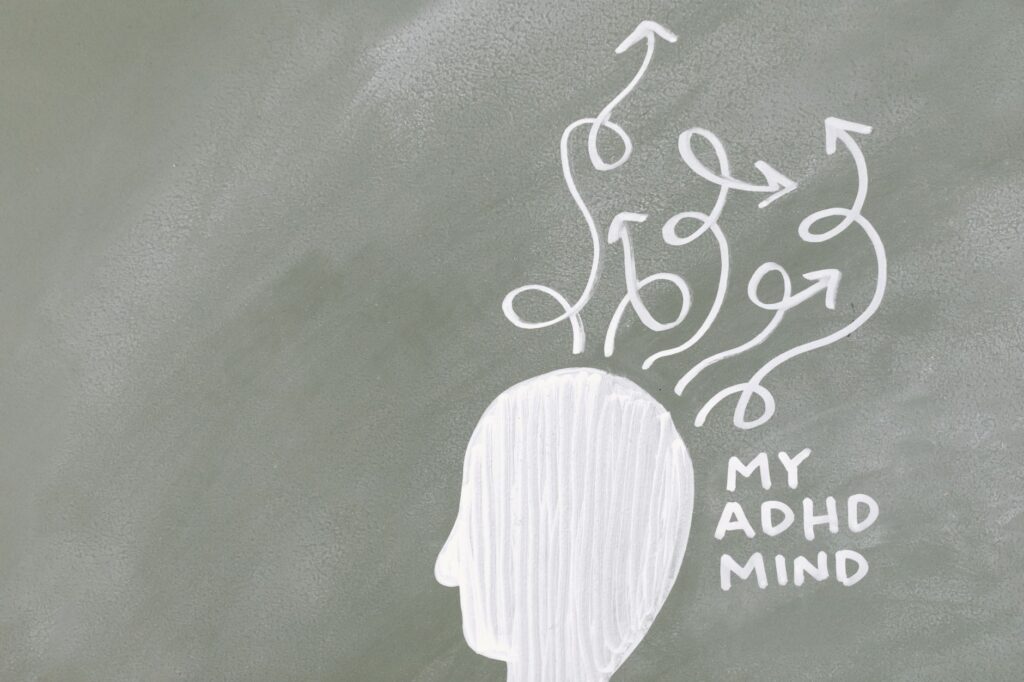
Psychological safety functions as the conduit through which employee wellness fuels innovative output. When workers feel secure to voice unconventional concepts without fear of reprisal, the cognitive bandwidth freed from stress‑induced rumination can be redirected toward creative problem‑solving. Research highlights that leader endorsement of innovation and the mitigation of coworker ostracism amplify this effect, establishing a feedback loop where supportive supervision elevates both well‑being and idea fluency. According to Career Ahead’s analysis of the Gallup well‑being data, organizations with high well‑being scores consistently outperform peers on innovation metrics, underscoring the operational leverage of safety‑driven cultures. Moreover, neurocognitive studies confirm that chronic anxiety diminishes divergent thinking, a prerequisite for breakthrough inventions, reinforcing the necessity of institutional safeguards that prioritize mental health.
“Psychological safety unlocks the cognitive surplus needed for disruptive innovation.”
When workers feel secure to voice unconventional concepts without fear of reprisal, the cognitive bandwidth freed from stress‑induced rumination can be redirected toward creative problem‑solving.
Systemic implications for corporate R&D and market performance
When wellness becomes a strategic lever, its ripple effects extend beyond individual creativity to reshape entire R&D ecosystems. Firms that institutionalize mental‑health programs report accelerated patent pipelines, as teams experience fewer interruptions from burnout‑related turnover. Comparative analyses reveal that sectors with entrenched well-being frameworks—such as high-tech and biotech—exhibit a measurable share higher patent grant rates than peers relying on traditional performance incentives alone. This divergence translates into market-level outcomes: investors increasingly factor employee-wellness metrics into valuation models, interpreting robust well-being scores as proxies for sustainable innovation pipelines. Consequently, capital markets are rewarding firms that embed wellness into governance structures, reinforcing a feedback loop that aligns shareholder expectations with employee health investments.
Stakeholder impact and the reallocation of career capital

The shift reshapes the calculus for multiple stakeholder groups. Employees gain career capital not only through skill acquisition but also through enhanced mental resilience, positioning them as high‑impact innovators. Executives must adapt by integrating well‑being KPIs into performance dashboards, reallocating budget from ad‑hoc perks to longitudinal support programs such as continuous counseling and resilience training. Investors, in turn, are compelled to scrutinize ESG disclosures for mental‑health initiatives, treating them as leading indicators of long‑term value creation. Policymakers may amplify this trajectory by incentivizing corporate wellness through tax credits, thereby embedding mental‑health considerations into the broader institutional framework governing economic mobility.
Outlook: a three‑to‑five‑year trajectory for wellness‑driven innovation
Over the next three to five years, the convergence of digital health platforms and AI‑enabled well‑being analytics will deepen the integration of mental‑health data into corporate strategy. Firms that harness predictive analytics to pre‑empt burnout are likely to sustain higher rates of idea generation, translating into a measurable share increase in market‑share growth relative to laggards. As industry benchmarks evolve, we can expect a standardization of wellness‑innovation reporting, with leading firms publishing annual “innovation‑well‑being indices” that quantify the correlation between employee mental health scores and breakthrough product launches. This institutionalization will cement wellness as a core component of competitive strategy, reshaping the architecture of corporate innovation ecosystems.
The evolving emphasis on mental health is redefining how corporations generate value, positioning employee wellness as a structural driver of breakthrough ideas and long‑term market leadership.
The evolving emphasis on mental health is redefining how corporations generate value, positioning employee wellness as a structural driver of breakthrough ideas and long‑term market leadership.
Key Structural Insights
[Insight 1]: Psychological safety, anchored in robust mental‑health support, directly amplifies the cognitive capacity required for disruptive innovation.
[Insight 2]: Companies with high well‑being scores achieve faster patent pipelines and attract premium capital, linking employee health to tangible market performance.
[Insight 3]: In the next three to five years, AI‑driven wellness analytics will institutionalize mental‑health metrics as a core indicator of corporate innovation potential.
Mental Health Drives Creative Output: Employee mental health directly influences their ability to think creatively, leading to breakthrough ideas that drive corporate innovation, while poor mental health can hinder the development of innovative solutions, ultimately affecting a company’s competitive edge.
[Insight 3]: In the next three to five years, AI‑driven wellness analytics will institutionalize mental‑health metrics as a core indicator of corporate innovation potential.
Wellness Programs Foster Collaborative Environments: Companies that prioritize employee wellness create a culture of open communication, empathy, and trust, which in turn fosters collaboration and idea-sharing among employees, leading to a more innovative and productive work environment.
Written by Career Ahead AI. AI can make mistakes, so verify key facts. Report errors to support@careeraheadonline.com.