No products in the cart.

Employers Seek These Skills

A recent study by the National Foundation for Educational Research (NFER) highlights essential skills such as communication, collaboration, and problem-solving that candidates must demonstrate to stand out in today's job market.

Employers are increasingly prioritizing essential skills when evaluating job applications. A recent study by the National Foundation for Educational Research (NFER) identified six key skills that candidates must demonstrate to stand out in a competitive job market. As automation and AI continue to reshape the workforce, understanding these skills is crucial for job seekers aiming to secure employment.
The NFER study reveals that communication, collaboration, and problem-solving are among the top skills employers prioritize. This trend comes at a time when over one million young people in the UK are not in education, employment, or training, highlighting the pressing need for candidates to adapt their skill sets to meet employer expectations. The ability to communicate effectively, collaborate with others, and solve problems is becoming as crucial as formal qualifications in securing employment.
Essential Skills for Job Seekers
Career Ahead’s analysis indicates that employers value communication skills highly. Effective communication is essential in building relationships and minimizing conflicts in the workplace. For instance, Jake Readman, a general manager at North Bar, emphasizes the importance of developing communication skills, especially in fast-paced environments where conflict resolution is key. Furthermore, the ability to articulate thoughts clearly and engage in constructive dialogue is increasingly sought after, as it fosters a positive work environment and enhances team dynamics.
Collaboration is another critical skill identified in the NFER study. Lynn Bassett, HR director at Barbour, notes that teamwork is vital as departments within a company often rely on each other. Candidates who can demonstrate their ability to work collaboratively and share experiences of teamwork are more likely to impress potential employers. This need for collaboration is echoed in the findings of the BBC, which highlight that businesses are looking for individuals who can build positive relationships within teams. The ability to navigate interpersonal dynamics and contribute to a collective goal is essential in today’s interconnected workspaces.
Problem-solving skills have also emerged as a significant focus for recruiters. Employers want candidates who can think on their feet and adapt to unexpected challenges. Maria Aderonmu, who transitioned from a political science degree to a role in strategy at Morgan Sindall, illustrates how her experiences in university debating societies equipped her with the skills to navigate complex situations in the workplace. This adaptability is increasingly important as job roles evolve due to technological advancements. Candidates who can demonstrate a proactive approach to problem-solving are more likely to stand out in a crowded job market.
Maria Aderonmu, who transitioned from a political science degree to a role in strategy at Morgan Sindall, illustrates how her experiences in university debating societies equipped her with the skills to navigate complex situations in the workplace.
The Growing Importance of Creativity
Additionally, creativity is becoming increasingly important across various industries. Employers are looking for candidates who can think outside the box and offer innovative solutions to problems. This aligns with the findings from the NFER study, which suggests that creative thinking is essential for job seekers aiming to thrive in a dynamic work environment. As industries face rapid changes, the ability to innovate and contribute fresh ideas is a valuable asset for any organization.
As the job market evolves, candidates must not only possess these skills but also effectively showcase them in their applications. This may involve demonstrating past experiences where these skills were utilized, whether in academic settings, internships, or part-time jobs. The emphasis on skills over traditional qualifications means that job seekers must rethink how they present their experiences to align with employer expectations.
Adapting to New Job Market Realities
The shift towards prioritizing skills over traditional qualifications has significant implications for job seekers, particularly those entering the workforce. Career Ahead research indicates that young professionals must adapt their approaches to job applications to align with what employers are seeking. This may involve rethinking how they present their experiences and emphasize relevant skills. The BBC’s report highlights that with the rise of automation potentially threatening up to three million jobs by 2035, possessing these essential skills will be crucial for young people looking to secure higher-skilled positions in the labor market.
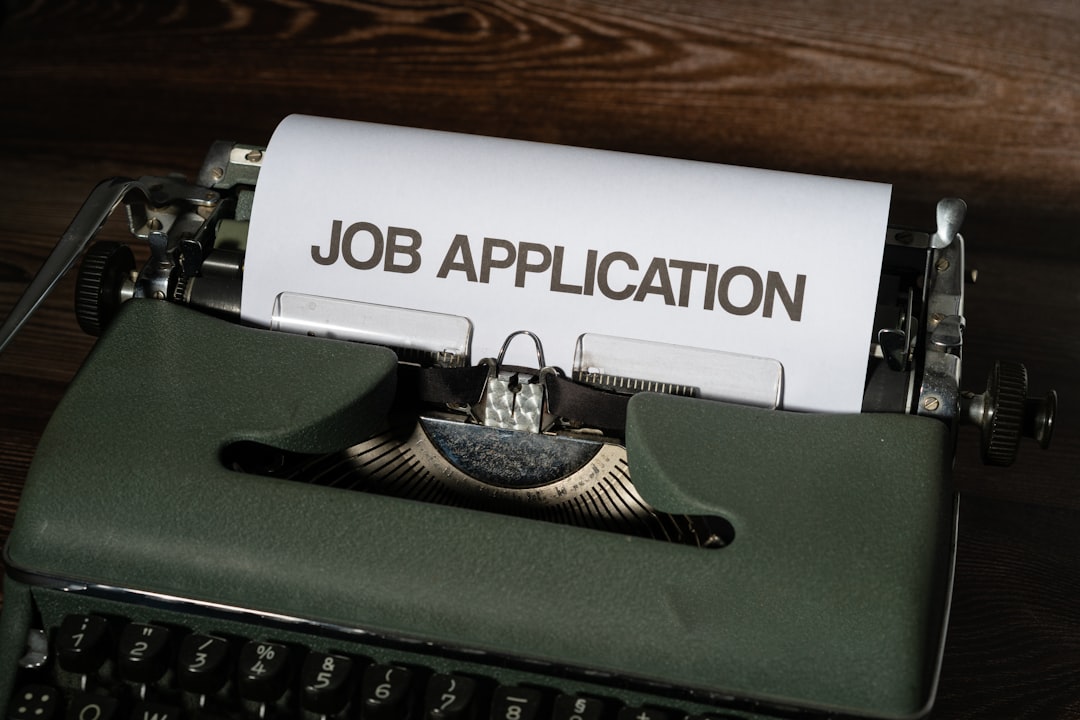
For instance, candidates can enhance their applications by including specific examples that demonstrate their communication, collaboration, and problem-solving abilities. This approach not only makes their applications more compelling but also provides tangible evidence of their capabilities. Furthermore, as automation continues to reshape job roles, possessing these essential skills can help candidates remain competitive. Jude Hillary, an economist involved in the NFER study, emphasizes that these skills will be crucial for young people looking to secure higher-skilled positions in the labor market, even as automation threatens lower-level jobs.
Preparing for the Future of Work
Moreover, the growing emphasis on soft skills means that educational institutions may need to adapt their curricula to better prepare students for the job market. This could involve incorporating more group projects, presentations, and problem-solving exercises into academic programs to help students develop the skills employers are looking for. As companies increasingly rely on technology and data, information literacy is also becoming a vital skill. Candidates who can analyze and interpret data effectively will have a competitive edge. Employers are looking for individuals who can not only handle data but also apply human judgment to discern its significance.

Preparing for the Future of Work Moreover, the growing emphasis on soft skills means that educational institutions may need to adapt their curricula to better prepare students for the job market.
In this evolving landscape, job seekers must remain proactive in developing and showcasing their skills. Engaging in internships, volunteer work, and extracurricular activities can provide valuable opportunities to hone these essential skills and make candidates more attractive to employers. Ultimately, as the job market continues to change, those who can adapt to these new expectations will be better positioned for success.
Frequently Asked Questions
What communication skills should HR directors look for?
HR directors should prioritize candidates who can articulate their thoughts clearly and effectively. This includes active listening, the ability to convey information concisely, and the capacity to engage in constructive dialogue.
How can hiring managers assess collaboration skills in candidates?
Hiring managers can evaluate collaboration skills by asking candidates to provide examples of past teamwork experiences. This could include discussing group projects, roles in team settings, or how they resolved conflicts within a team.

What steps should HR professionals take to evaluate problem-solving abilities?
HR professionals can assess problem-solving abilities by presenting candidates with hypothetical scenarios during interviews. Asking candidates to explain how they would approach specific challenges can provide insight into their critical thinking and adaptability.
Written by Career Ahead AI. AI can make mistakes, so verify key facts. Report errors to support@careeraheadonline.com.