No products in the cart.

Escalating Tensions: Airstrikes in Iran Leave 13 Dead
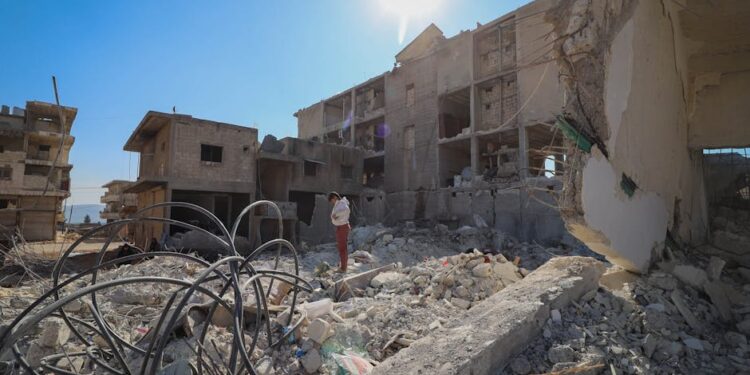
Recent airstrikes in Eslamshar, Iran, have resulted in 13 casualties, part of a broader conflict that raises significant geopolitical concerns. This article examines the implications of these military actions and the responses from Iran and the international community.

Eslamshar, Iran — In a significant escalation of military action, airstrikes conducted by Israel and the United States have resulted in the deaths of at least 13 people in Eslamshar, Iran. This attack is part of a broader wave of strikes that have reportedly killed over 25 individuals across the country. The airstrikes come amid rising tensions between Iran and its adversaries, particularly with the looming deadline set by U.S. President Donald Trump regarding the reopening of the Strait of Hormuz, a crucial passage for global oil shipments.
The airstrikes targeted various locations, including residential areas and military sites. Reports indicate that one strike hit the Sharif University of Technology in Tehran, causing significant damage. The Iranian government has responded by launching missile attacks on Israel and its Gulf neighbors, escalating the conflict further. As the situation develops, the international community watches closely, concerned about the potential for a broader war in the region.
The strikes have not only resulted in tragic loss of life but have also raised fears about the stability of oil prices globally. Brent crude oil prices surged to $109 per barrel, marking a 50% increase since the onset of the conflict. This spike in oil prices reflects the anxiety in markets about the security of oil supplies from the Gulf region, which is vital for the global economy.
Military Strategies and Regional Responses
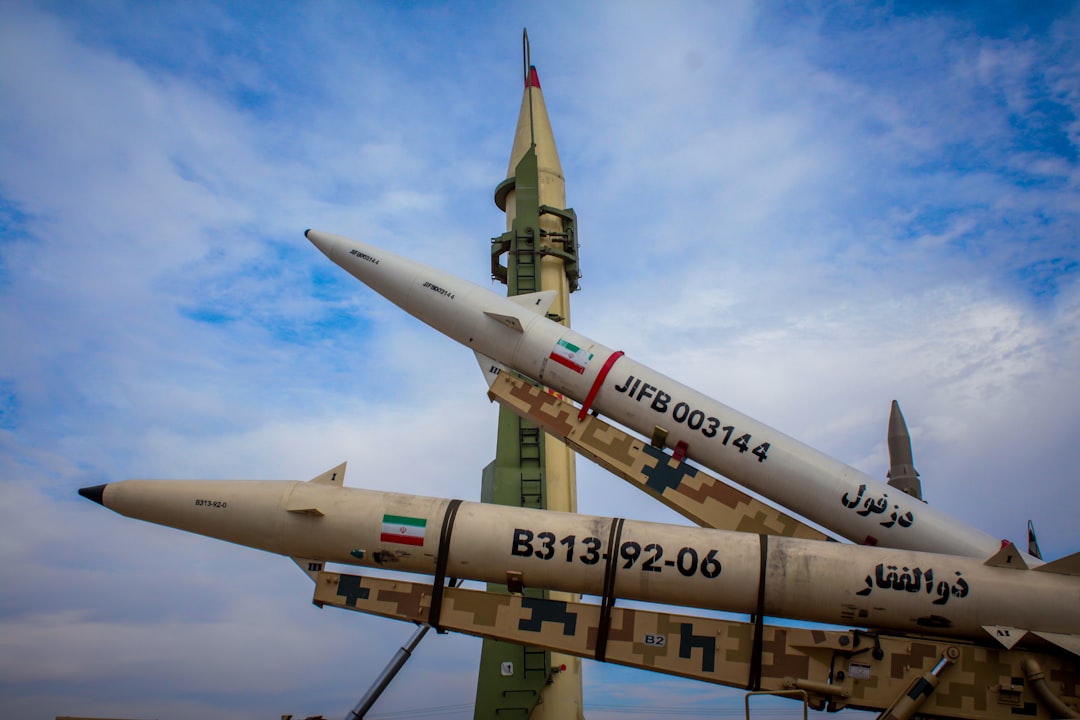
The recent airstrikes are part of a calculated military strategy by the U.S. and Israel aimed at crippling Iran’s military capabilities. According to reports from the Economic Times, the strikes targeted key infrastructure that supports Iran’s ballistic missile program, which has been a point of contention for years. The Iranian military has vowed to retaliate, indicating that they will not back down in the face of aggression.
This spike in oil prices reflects the anxiety in markets about the security of oil supplies from the Gulf region, which is vital for the global economy.
Tehran’s response has included missile launches aimed at Israeli cities, demonstrating their willingness to escalate the conflict. The Iranian parliament has condemned the airstrikes, labeling them as reckless acts of war. Iranian officials have called for international support to counter these attacks, seeking to rally allies against what they perceive as an existential threat. This sentiment is echoed in various statements from Iranian leaders who have urged the global community to recognize the dangers posed by U.S. and Israeli military actions.
You may also like
 Government & Policy
US jobs market sees sharp slowdown ahead of midterm elections | Career Outlook
This slowdown is particularly relevant for human resources managers, retail hiring managers, and tech recruiters, as it reflects broader economic trends that could lead to…
Read More →As the conflict unfolds, military analysts are assessing the potential long-term implications of these strikes. The U.S. and Israel may be attempting to weaken Iran’s influence in the region, but such actions could also lead to increased instability. The risk of a wider conflict involving multiple nations remains high, as regional powers respond to perceived threats against their sovereignty.
Global Economic Impact and Diplomatic Efforts
The airstrikes in Iran have significant implications for international relations and global markets. The ongoing conflict threatens to disrupt shipping routes through the Strait of Hormuz, a vital artery for oil transportation. With about 20% of the world’s oil passing through this strait, any prolonged conflict could lead to severe economic repercussions worldwide. As noted by Bloomberg, the U.S. administration’s hardline stance could undermine confidence in its role as a stabilizing force in global shipping.
The international community is now faced with the challenge of addressing the escalating tensions. Diplomatic efforts are underway, with Oman facilitating discussions between Iran and other nations to seek a peaceful resolution. However, the effectiveness of these talks remains uncertain, especially with the hardline stance taken by both the U.S. and Iran. The Iranian leadership has expressed skepticism about the U.S.’s willingness to engage in meaningful dialogue, further complicating the situation.

As the situation continues to evolve, observers are left questioning the future of U.S.-Iran relations. The potential for further military actions looms large, as both sides prepare for possible escalations. The next few weeks will be critical in determining whether a diplomatic solution can be reached or if the conflict will deepen further.
The Iranian leadership has expressed skepticism about the U.S.’s willingness to engage in meaningful dialogue, further complicating the situation.
Geopolitical Ramifications and Future Scenarios
The recent airstrikes in Iran are not just a military event; they are a pivotal moment that could reshape the region’s geopolitical landscape. As nations react and adjust their strategies, the world watches closely, aware that the consequences of this conflict extend far beyond the borders of Iran. The ongoing violence and rising tensions serve as a reminder of the fragility of peace in the region.
With the stakes higher than ever, the path forward remains uncertain, leaving many to wonder what the future holds for Iran and its neighbors. The potential for a broader conflict involving multiple nations is a real concern, as regional powers respond to perceived threats against their sovereignty. The international community must navigate these turbulent waters carefully to avoid a catastrophic escalation.
You may also like
 Government & Policy
Why do I have to pay for buses if
As public transport systems increasingly adopt digital payment methods, users without smartphones are at a disadvantage. A letter from a concerned citizen in Scotland noted…
Read More →