This increase comes as inflationary pressures have surged, prompting the ECB to act decisively. The central bank's move is aimed at stabilizing the economy by curbing excessive price increases that threaten to undermine consumer purchasing power. Understanding the implications of this rate hike is essential for financial analysts…
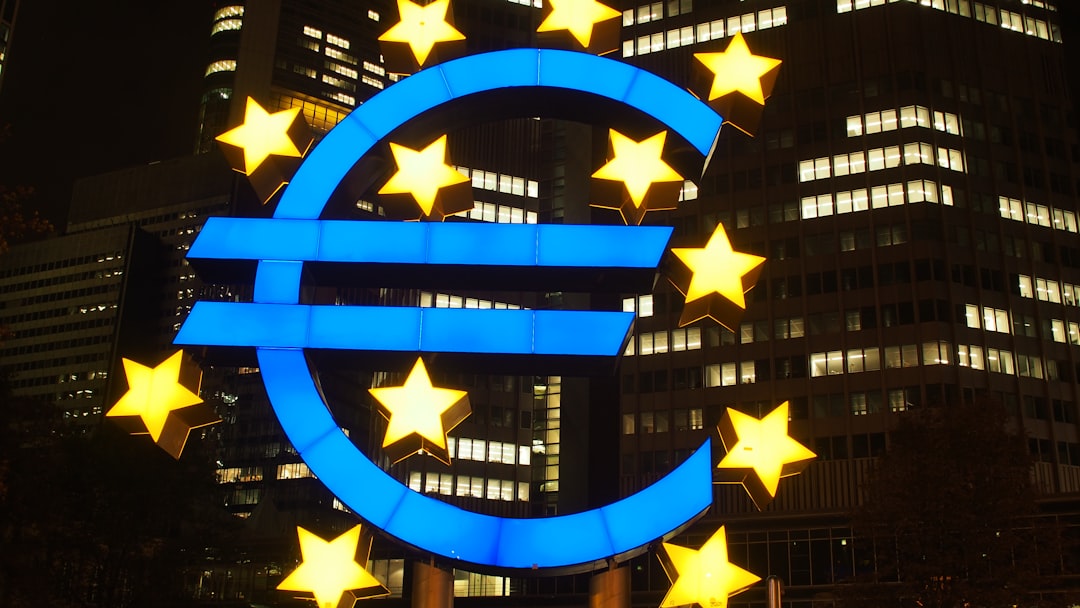
The European Central Bank (ECB) has raised its benchmark interest rate to 2.65% as of September 10, 2026, in an effort to combat rising inflation exacerbated by geopolitical tensions, particularly from conflicts in the Middle East. This decision marks a significant shift in monetary policy, impacting borrowing costs and investment strategies across the Eurozone.
This increase comes as inflationary pressures have surged, prompting the ECB to act decisively. The central bank’s move is aimed at stabilizing the economy by curbing excessive price increases that threaten to undermine consumer purchasing power. Understanding the implications of this rate hike is essential for financial analysts and banking executives navigating this new economic landscape.
Impact on Borrowing Costs for Businesses
The ECB’s decision to raise interest rates will lead to higher borrowing costs for businesses throughout the Eurozone. Companies that rely on loans to finance operations or expansion will face increased interest payments, which could impact their profitability and investment decisions. Career Ahead’s analysis finds that sectors particularly sensitive to interest rates, such as real estate and manufacturing, may experience a slowdown in growth as financing becomes more expensive.
Moreover, small and medium-sized enterprises (SMEs), which often have tighter margins, will feel the pinch more acutely. These businesses typically have less access to capital markets and rely heavily on bank loans. As borrowing costs rise, many SMEs may delay or scale back investments, potentially stifling innovation and job creation in the long term. According to a report by DW, the rate hike is expected to particularly affect SMEs, which are crucial for employment in the Eurozone, as they may struggle to secure necessary funding to sustain operations and growth.
Career Ahead’s analysis finds that sectors particularly sensitive to interest rates, such as real estate and manufacturing, may experience a slowdown in growth as financing becomes more expensive.
Cygni Energy and Indus Towers have signed a Memorandum of Understanding to develop energy storage solutions for telecom infrastructure, marking a significant step towards sustainability…
In contrast, larger corporations with substantial cash reserves may benefit from the situation. They can leverage their financial strength to invest in growth opportunities without relying heavily on borrowed funds. However, the overall effect on the economy may still be negative if SMEs, which constitute a significant portion of employment in the Eurozone, struggle to adapt. As borrowing costs rise, financial analysts will need to reassess their forecasts for corporate earnings and economic growth. Understanding the dynamics of interest rate changes will be crucial for accurately predicting market trends and advising clients on investment strategies.
Changes in Investment Strategies for Banks
The increase in interest rates will also compel banks to reevaluate their investment strategies. Higher rates typically lead to a more favorable environment for fixed-income investments, such as bonds. As yields rise, banks may shift their portfolios to capitalize on the increased returns from government and corporate bonds. This shift is particularly relevant given that many banks have previously operated in a low-interest-rate environment, making this adjustment critical for maintaining profitability.
However, the transition may not be seamless. Many banks have built their balance sheets based on a low-interest-rate environment, and adjusting to higher rates may require significant strategic changes. Career Ahead research identifies that banks with a high exposure to variable-rate loans may face increased credit risk as borrowers struggle to meet higher payment obligations. The Guardian has reported that banks are already preparing for potential defaults, especially among borrowers who may not be able to handle the increased financial burden.
Additionally, banks may need to enhance their risk management frameworks to navigate the changing landscape. As interest rates rise, the risk of defaults may increase, particularly among borrowers who are less financially resilient. This could lead to tighter lending standards, further constraining access to credit for businesses and consumers alike. Investment strategies will also need to account for potential shifts in consumer behavior. As borrowing becomes more expensive, consumer spending may decline, impacting sectors reliant on discretionary spending. Financial analysts will need to monitor these trends closely to provide accurate insights to banking executives.
The ECB’s decision to raise interest rates is a pivotal moment for the Eurozone economy. As financial analysts and banking executives adjust their strategies in response to these developments, the broader implications for economic growth and stability will unfold in the coming months. Monitoring these changes will be essential for understanding the long-term effects of the ECB’s actions.
Additionally, banks may need to enhance their risk management frameworks to navigate the changing landscape.
Frequently Asked Questions
How will the ECB’s rate hike affect my investment portfolio?
Career Ahead’s analysis indicates that the ECB’s rate hike will lead to increased yields on fixed-income investments, which may benefit bondholders. However, equity investors should be cautious as rising borrowing costs could negatively impact corporate earnings and consumer spending.
What strategies should banking executives adopt in response to rising interest rates?
Banking executives should consider diversifying their investment portfolios to include more fixed-income assets while enhancing risk management practices to address potential defaults among borrowers. Adapting lending standards may also be necessary to mitigate risks.
How can financial analysts forecast the impact of ECB decisions on the economy?
Financial analysts can forecast the impact of ECB decisions by closely monitoring economic indicators such as inflation rates, consumer spending, and borrowing costs. Analyzing these trends will provide valuable insights into potential shifts in the market.




 Industry & Global Trends
Industry & Global Trends