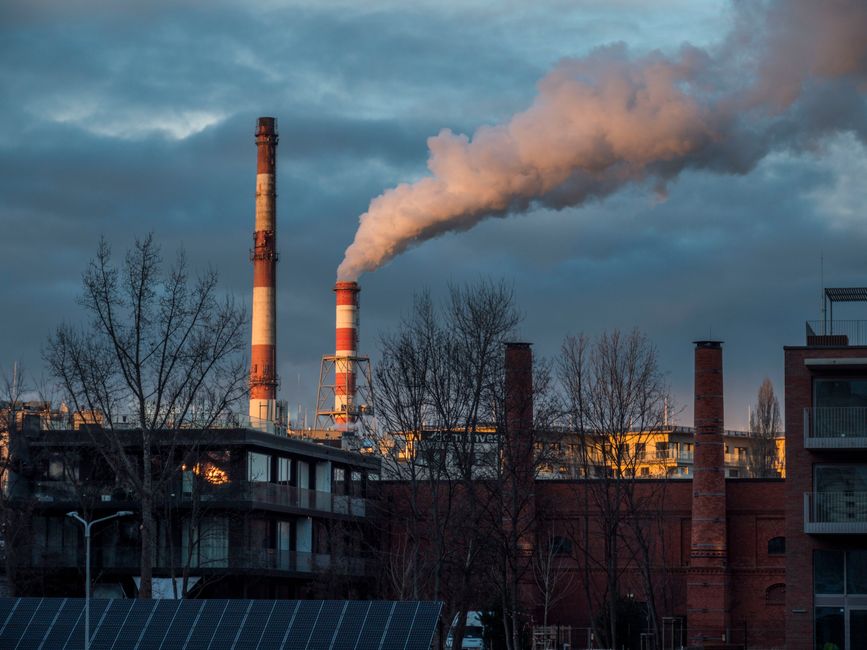
Proposed changes to the EU's emissions trading system could undermine its effectiveness in reducing greenhouse gas emissions, raising concerns among environmental advocates.
The European Commission has proposed significant changes to the European Union‘s emissions trading system (ETS), which could weaken its effectiveness in reducing greenhouse gas emissions. This overhaul aims to provide companies with a less demanding and cheaper pathway to compliance, raising concerns among environmental policy analysts and emissions trading specialists. The proposed changes come in response to pressures from several EU member states worried about energy costs and competitiveness.
Critics argue that these reforms undermine the ETS, which has been a cornerstone of Europe’s climate strategy since its inception in 2005. The ETS has successfully reduced emissions by 47% from 2005 levels by requiring companies to buy permits for their emissions, thereby creating a financial incentive to invest in cleaner technologies. However, the recent proposals suggest a slower reduction in the number of permits available, which could lead to increased carbon emissions and market instability. According to a report by Nature Communications, the proposed changes could allow an additional 2 billion tonnes of CO2 emissions, significantly jeopardizing the EU’s legally binding climate targets of reducing greenhouse gas emissions by 90% by 2040.
Changes to Emissions Trading Regulations
The proposed changes to the ETS include extending free pollution permits for heavy industries and reducing the annual cap on emissions more slowly than previously planned. Currently, companies receive free allowances to help offset the costs of transitioning to cleaner production methods. Under the new proposal, these allowances would not be phased out until 2038 instead of 2034, providing industries with more leeway to pollute without immediate financial repercussions.
Analysis of Nature Communications data shows that slowing the cap reduction from 4.3% to 3.7% from 2031 and further to 1.7% from 2036 could allow an additional 2 billion tonnes of CO2 emissions. This raises significant questions about the EU’s ability to meet its legally binding climate targets of reducing greenhouse gas emissions by 90% by 2040. The longer timeline for phasing out free allowances may also deter companies from investing in cleaner technologies, as they may opt to continue their current practices without the urgency to innovate. Furthermore, the extension of free allowances could create a moral hazard, where companies may prioritize short-term profits over long-term sustainability.
As highlighted in a report by MDPI, the effectiveness of emissions trading systems relies heavily on stringent regulations and accountability measures, which may be compromised under the proposed reforms.
The West Bengal 7th Pay Commission proposes a 5% salary increase for government employees, aiming for pay parity with central government salaries and improved pension…
Additionally, the European Commission’s proposal to extend the ETS to cover municipal waste and intra-EU flights aims to broaden the scope of emissions trading. However, this expansion might not be enough to offset the negative impacts of the proposed allowances and slower cap reductions. Environmental advocates argue that weakening the ETS could lead to a fragmented carbon market, where compliance becomes less stringent and less predictable, ultimately undermining the integrity of emissions trading. As highlighted in a report by MDPI, the effectiveness of emissions trading systems relies heavily on stringent regulations and accountability measures, which may be compromised under the proposed reforms.
Implications for Carbon Credit Pricing
With the proposed changes to the ETS, emissions trading specialists must prepare for potential shifts in carbon credit pricing. The market dynamics could be affected by the reduced demand for carbon credits if companies are allowed to emit more without facing immediate penalties. If the cap on emissions is reduced more slowly, it may lead to an oversupply of permits, driving down the price of carbon credits. This scenario poses a significant risk to the financial viability of emissions reduction projects, as lower carbon credit prices could undermine the economic rationale for investing in cleaner technologies.
Research indicates that a decrease in carbon credit prices could significantly impact the revenue streams for companies that have invested heavily in emissions reduction technologies. If the price of carbon credits falls, these companies may struggle to justify their investments, leading to a potential slowdown in the adoption of cleaner technologies and practices. This could create a ripple effect in the industry, where companies that have already made substantial investments in reducing their emissions may find themselves at a competitive disadvantage. The implications for compliance requirements are also significant. If the ETS is weakened, companies may not feel the same pressure to comply with emissions reduction targets, potentially leading to a lack of accountability.
Concerns Over International Carbon Credits
Moreover, the European Commission’s proposal to include high-quality international carbon credits as a means of meeting emissions reductions adds another layer of complexity. While this may provide flexibility for companies, it raises concerns about the effectiveness and integrity of these credits. Environmental policy analysts warn that relying on international credits could dilute the impact of local emissions reductions, thereby undermining the overall goals of the ETS. The reliance on international credits may also lead to a situation where countries with less stringent emissions regulations could benefit at the expense of those that have made significant strides in reducing their carbon footprints.
As the ETS undergoes these changes, emissions trading specialists will need to closely monitor market trends and regulatory developments to adapt their strategies accordingly. Understanding the implications of these reforms will be crucial in navigating the evolving landscape of carbon markets. The proposed changes to the ETS are not just a regulatory shift; they represent a critical juncture for Europe’s climate strategy. As industries grapple with these potential changes, the long-term effects on emissions trading and carbon pricing remain uncertain. Will the EU be able to maintain its leadership in global climate policy, or will these reforms lead to a weakening of its ambitious climate goals?
Zimbabwe's decision to cap gold-buying support at $300 million in 2026 signals a shift in its economic policy. This change could reshape investment strategies and…
As the ETS undergoes these changes, emissions trading specialists will need to closely monitor market trends and regulatory developments to adapt their strategies accordingly.
Frequently Asked Questions
What are the latest developments in Europe’s emissions trading system?
The European Commission has proposed changes to the ETS that would provide companies with a less demanding pathway to reduce greenhouse gas emissions. These changes include extending free pollution permits and slowing the reduction of emissions caps, raising concerns about the effectiveness of the system.
How might changes in emissions trading regulations affect my job as an emissions trading specialist?
As an emissions trading specialist, you may face challenges due to potential shifts in carbon credit pricing and compliance requirements. If the ETS is weakened, it could lead to decreased demand for carbon credits and less accountability for emissions reductions.
What strategies should environmental policy analysts consider in light of potential regulatory changes?
Environmental policy analysts should focus on understanding the implications of the proposed changes to the ETS and monitor market trends closely. Adapting strategies to navigate the evolving landscape of carbon markets will be essential for effective policy advocacy.




 Government & Policy

Government & Policy