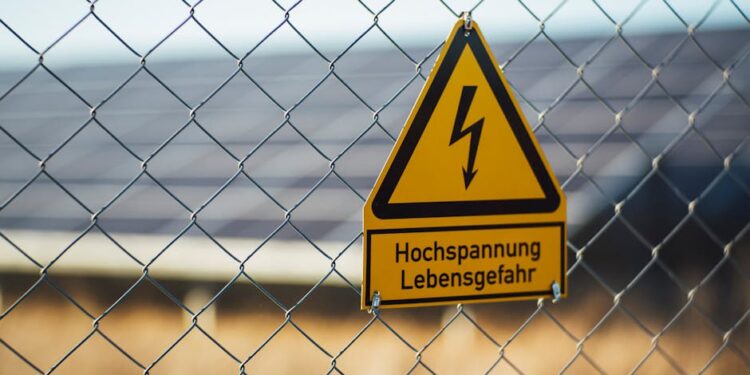
As geopolitical tensions escalate, Europe’s energy infrastructure faces unprecedented challenges. Grid operators are enhancing defenses against sabotage and cyberattacks, driven by recent vulnerabilities exposed in the power network.
Europe is grappling with significant challenges to its energy infrastructure. In light of rising geopolitical tensions, grid operators are intensifying their defenses against potential sabotage and cyberattacks. This proactive shift is a response to recent events that have exposed vulnerabilities within the power network, particularly amid ongoing conflicts in Eastern Europe.
According to Bloomberg, the urgency of these measures reflects a growing recognition that energy security is vital for national stability. Countries across Europe are investing heavily in new technologies and protocols to protect their grids, focusing on both physical security enhancements and advanced cyber defenses.
The interconnected nature of the European energy landscape has historically allowed countries to rely on each other for power supply. However, the current climate has prompted a reevaluation of these dependencies, with grid operators prioritizing resilience and self-sufficiency to mitigate risks associated with external threats.
Recent Vulnerabilities Exposed
Recent incidents, including the sabotage of undersea cables and attacks on energy facilities, have raised alarms among European officials. These events underscore the urgent need for robust protective measures. The historical context of energy conflicts in Europe adds layers of complexity to the current situation, as noted by World History Encyclopedia.
As tensions escalate, the reliance on digital systems for grid management has made power networks increasingly vulnerable to cyber threats. Cyberattacks can disrupt service and cause widespread chaos, with several countries already experiencing attacks that compromised their energy systems.
As tensions escalate, the reliance on digital systems for grid management has made power networks increasingly vulnerable to cyber threats.
In response, nations are collaborating to share intelligence and best practices for safeguarding their infrastructure. This cooperative approach is essential for building a unified front against potential aggressors, aiming to create a more secure energy environment capable of withstanding both physical and cyber threats.
Investments in Cybersecurity
To combat these threats, European countries are making significant investments in cybersecurity technologies. These efforts aim to enhance the resilience of power networks against both internal and external attacks. OnTheWorldMap.com highlights that nations are not only upgrading existing systems but also developing new strategies to address emerging threats.
Grid operators are implementing advanced monitoring systems capable of detecting anomalies in real-time, allowing for quicker responses to potential breaches. Additionally, training programs for personnel are being expanded to ensure staff are equipped to handle crises effectively.
Moreover, public-private partnerships are becoming increasingly common in this sector. Collaborations between government entities and private companies are fostering innovation and improving the overall security posture of energy infrastructure, leveraging resources and expertise to tackle complex cybersecurity challenges.
Moreover, public-private partnerships are becoming increasingly common in this sector.
Geopolitical Implications for Energy Strategies
The geopolitical landscape significantly influences energy policy across Europe. As countries reassess their energy strategies, there is a notable shift towards diversifying energy sources. Humanidades.com reports that reliance on a single supplier poses significant risks, prompting many nations to seek alternative energy partnerships.
This diversification includes not only traditional energy sources but also a strong push towards renewables. As nations aim for energy independence, investments in solar, wind, and other renewable technologies are expected to surge, enhancing security while aligning with broader environmental goals.
Furthermore, energy policy is increasingly being used as a tool for diplomatic leverage, with countries utilizing their energy resources to forge alliances and exert influence. This trend is likely to reshape the geopolitical landscape, as energy becomes a central theme in international relations.
Economic Opportunities and Challenges
The enhancements to Europe’s power network carry significant economic implications. As countries invest in energy security, job creation in the technology and infrastructure sectors is expected to rise, presenting opportunities for young professionals entering the workforce, particularly in fields related to cybersecurity and renewable energy.
Moreover, the economic stability provided by a secure energy network is critical for attracting investment.
The Pentagon has officially ceased using Anthropic's AI tools following the company's blacklisting due to national security concerns. This decision marks a significant shift in…
Moreover, the economic stability provided by a secure energy network is critical for attracting investment. Companies are more likely to invest in regions where energy security is assured, potentially leading to broader economic growth and innovation across various sectors.
However, challenges remain. The transition to a more secure energy infrastructure requires substantial financial resources, and balancing these investments with other economic priorities will be crucial for governments moving forward.



 AI & Technology

Government & Policy