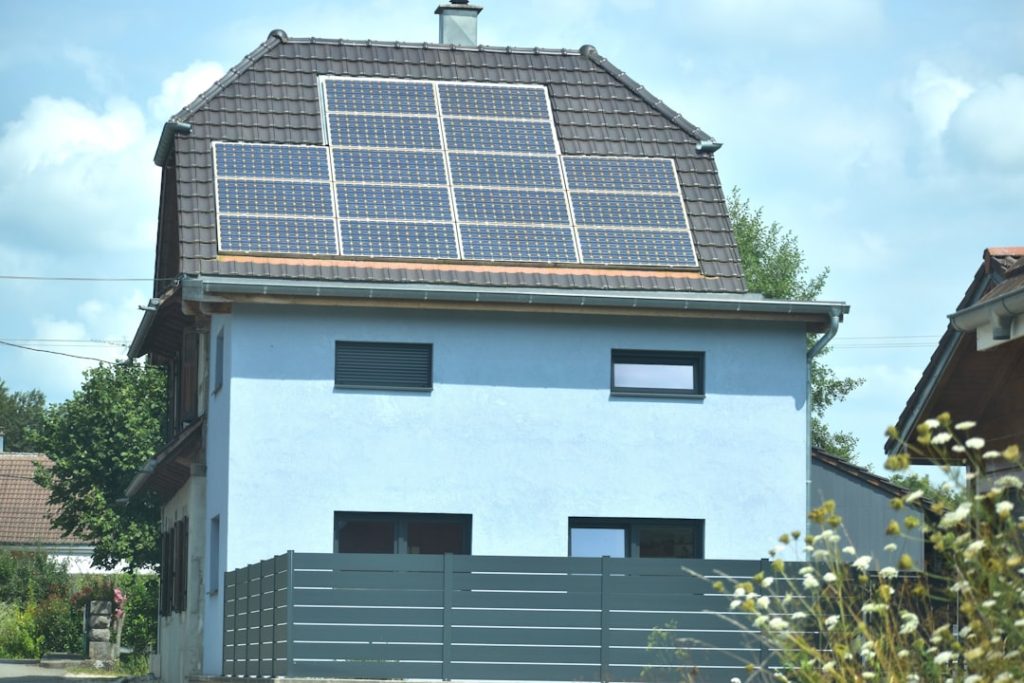
Brussels, Belgium — As Europe accelerates its transition to solar power, the continent’s energy infrastructure is facing unprecedented strain. Solar capacity across the European Union reached a record 200 gigawatts in 2025, a leap facilitated by favorable policies and technological advancements. However, this rapid growth is pushing existing power grids to their limits, prompting urgent discussions on sustainability/” class=”ca-internal-link”>sustainability-at-the-un/” class=”ca-internal-link”>sustainability and reliability in energy supply.
This surge in solar production is particularly significant now as Europe strives to reduce its reliance on fossil fuels and meet climate targets set by the Paris Agreement. The European Commission aims to have at least 45% of its energy sourced from renewable sources by 2030. With solar energy projected to play a crucial role in this transition, addressing grid limitations is more important than ever.

The challenges posed by this solar expansion are multifaceted. Firstly, the uneven distribution of solar generation across regions can lead to local surpluses and deficits. In countries like Germany and Spain, solar installations have flourished, but neighboring regions can struggle to balance supply and demand. In 2023, energy analysts reported that over 40% of solar energy generated in Germany went unused during peak production hours, highlighting inefficiencies in grid management.
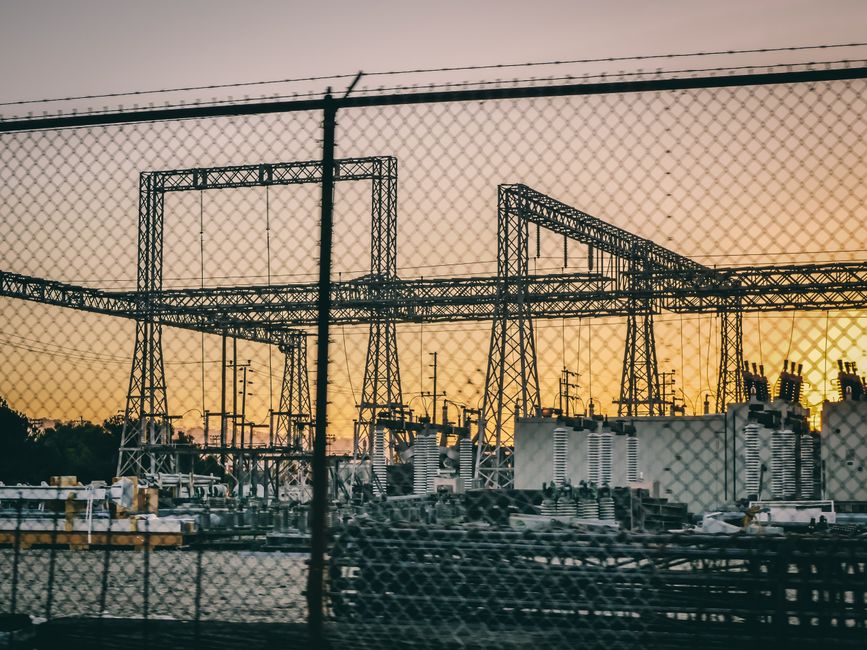
Secondly, the existing grid infrastructure in many European countries is aging and ill-equipped to handle the influx of renewable energy. A 2024 report by the Agency for the Cooperation of Energy Regulators (ACER) indicated that 60% of Europe’s power grids require significant upgrades to support increased solar capacity. As demand for electricity rises with electrification and digitalization, the need for modernization becomes urgent.
In 2023, energy analysts reported that over 40% of solar energy generated in Germany went unused during peak production hours, highlighting inefficiencies in grid management.
Moreover, the intermittent nature of solar energy—producing power only during daylight hours—necessitates robust storage solutions and demand-response strategies. Energy storage technologies like batteries are still developing, and their integration into the grid is critical for balancing supply and demand. In 2025, a study from the international Energy Agency (IEA) revealed that Europe’s battery storage capacity must triple by 2030 to ensure a stable energy supply.
 Government & Policy
Haryana Commission Halts Eleven Power Licence Proceedings
The state cited possible effects on cross-subsidies, existing power-purchase commitments and distribution assets.
Read More →Despite these challenges, there are promising developments. Several countries are investing in smart grid technologies that improve the efficiency of energy distribution and enhance grid resilience. For instance, the Netherlands is pioneering a project called “Grid 4.0,” which uses artificial intelligence to optimize energy flow based on real-time data. This approach aims to minimize energy waste and ensure that power generated from solar panels is effectively utilized.
Additionally, collaborations between public and private sectors are emerging to tackle grid issues. In September 2025, the European Union launched the “Clean Energy for All Europeans” initiative, allocating €1 billion to support innovative grid solutions across member states. This funding will help accelerate the development of integrated energy systems capable of accommodating higher shares of renewables.
Policy frameworks also play a pivotal role in addressing these challenges. The EU’s Green Deal emphasizes the importance of a resilient energy infrastructure as part of its broader sustainability goals. It encourages member states to adopt regulations that facilitate grid upgrades and incentivize investments in renewable energy technologies.
Looking ahead, the successful integration of solar energy into Europe’s power grids will depend on a coordinated effort across multiple sectors. Energy producers, grid operators, and policymakers must collaborate to create a reliable and resilient energy future. As the continent grapples with these pressing issues, the lessons learned from current challenges will shape Europe’s approach to renewable energy for years to come.
Despite these challenges, there are promising developments.
The future of Europe’s energy landscape hinges on its ability to innovate and adapt. With robust investment in grid technology and storage solutions, Europe can not only enhance its energy security but also lead the way in global renewable energy efforts. As countries navigate this transformation, the question remains: How will they balance rapid solar expansion with the need for a stable power supply?
Written by Career Ahead AI. AI can make mistakes, so verify key facts. Report errors to support@careeraheadonline.com.