
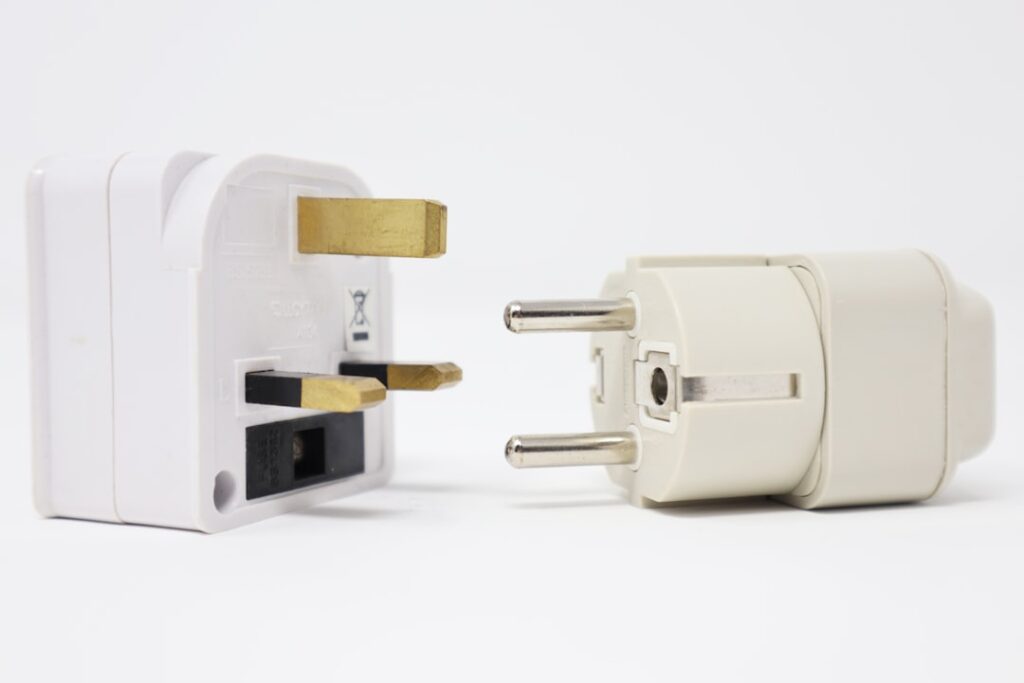
The EU’s New Battery regulation: A Game-Changer for Device Makers
The European Union has introduced a new regulation that requires all smartphones, tablets, and laptops sold in the EU to have user-replaceable batteries by 2027. This change is a significant shift in the industry, and it has already caused a stir among device makers.
The regulation tightens the “design-for-disassembly” standard, requiring consumers to be able to remove the battery with a common screwdriver in under two minutes. This is a significant improvement over the previous standard, which allowed for five minutes and specialized tools.
The Impact on the Global Electronics Industry
The EU’s move is expected to have a ripple effect on the global electronics industry. Multinational OEMs will likely harmonize their product lines to avoid parallel engineering tracks, which could raise global production costs but also unlock economies of scale for modular components.
For non-EU markets, the regulation creates a competitive dilemma. Companies that redesign early can export the same modular devices worldwide, preserving brand consistency and avoiding a “EU-only” SKU that would fragment inventory. Conversely, firms that delay risk losing market share to rivals that already offer swappable-battery models.
The Impact on the Global Electronics Industry The EU’s move is expected to have a ripple effect on the global electronics industry.
The Rise of Repairable Batteries in Europe
IDC’s Q1-2026 forecast predicts a 31% year-over-year decline in sealed-battery shipments to the EU, offset by a 290% surge in modular designs. The shift is already visible in factory floors, where the share of European phones glued together jumped from 18% in 2012 to 94% in 2025.
The Long-Term View: How Device Makers Will Adapt
OEMs that begin redesigns now can lock in supplies of scarce screw-type micro-speakers, specialized gaskets, and battery-authentication chips before the Q3 2027 rush. Early adopters are already filing patents for snap-fit aluminium frames that meet the 120-second removal target while retaining IP68 water resistance.
Critical Insights: The opportunities and Challenges for Device Makers
Mid-tier brands such as Fairphone and HMD Global are poised to leap from niche to mainstream, leveraging their existing modular expertise. Flagship makers must absorb short-term margin hits while re-engineering premium thinness standards.
Accessory Ecosystem Boom
European shipments of user-installable battery kits are projected to triple to €480 million by 2028, fueling a new market for third-party manufacturers and service providers.
Safety and Liability Risks
Greater consumer access to battery cells raises the spectre of thermal-runaway incidents if users mix incompatible cells. Insurers are already lobbying for a mandatory battery-authentication chip that would lock a device to approved cell types.
Balancing Durability with Form Factor
Introducing screws and snap-fits inevitably adds thickness and weight – on average 0.4 mm and 6 g per device. Designers must strike a balance between the durability demanded by regulators and the sleek aesthetics that premium consumers expect.
 Government & Policy
UK Chancellor Healey Faces Budget Test Amid Economic Pressures
UK growth has beaten forecasts, while inflation and defence costs add pressure to public spending plans.
Read More →Critical Insights: The opportunities and Challenges for Device Makers Mid-tier brands such as Fairphone and HMD Global are poised to leap from niche to mainstream, leveraging their existing modular expertise.


Written by Career Ahead AI. AI can make mistakes, so verify key facts. Report errors to support@careeraheadonline.com.