No products in the cart.

Evaluating Migration Patterns from Punjab: Economic and Social Impacts

This analysis delves into the migration patterns of Punjab, examining economic impacts and social implications for both migrants and their home region.

Punjab, India — As migration patterns evolve, the socio-economic dynamics of Indian Punjab are under scrutiny. A recent study published in SpringerOpen investigates the contrasting effects of regular and irregular migration on the region’s economy and social fabric. This analysis is particularly timely as global workforce trends shift, influenced by factors such as economic opportunity and political stability.
The significance of this research lies in its examination of how migration shapes not only the lives of individuals but also the broader socio-economic landscape. Understanding these patterns can inform policies on labor migration and economic development, making it a critical topic for governments and organizations worldwide.
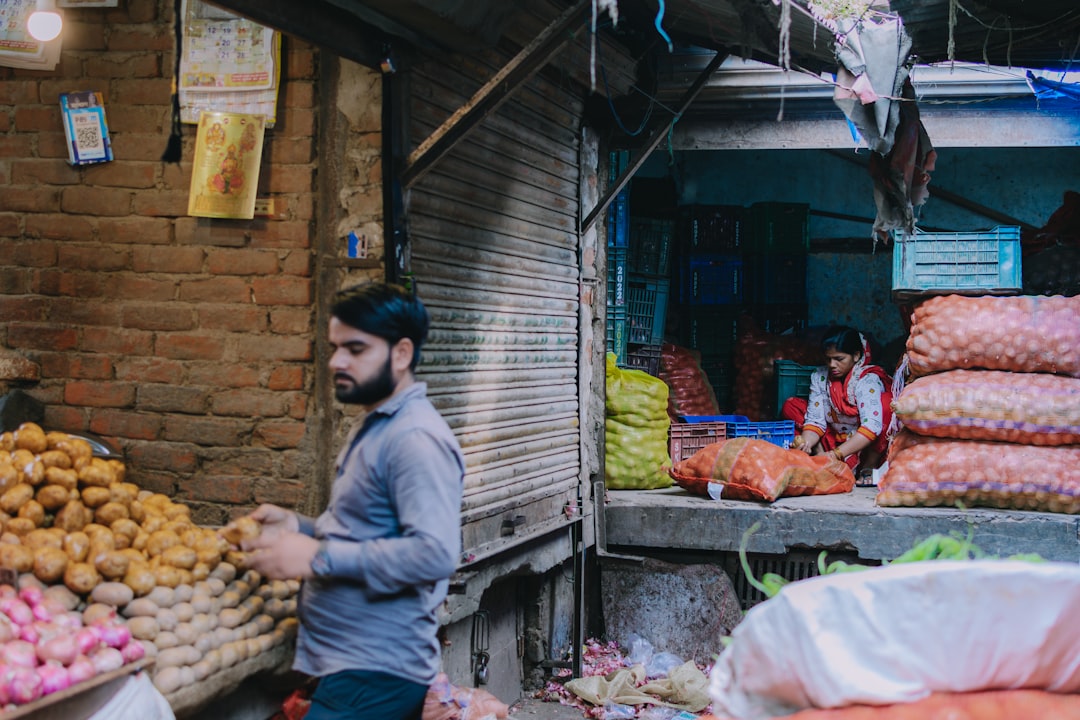
Over the past two decades, Punjab has experienced significant migration flows. According to the Ministry of External Affairs, as of 2023, approximately 1.6 million Punjabis reside abroad, with many in Canada, the United States, and the United Kingdom. This trend reflects both a quest for better economic prospects and the desire for social mobility.
Regular migration, often characterized by skilled professionals and students, generally leads to positive economic impacts. Migrants contribute remittances, which, as reported by the World Bank, totaled $12 billion for Punjab in 2022. These funds bolster local economies, enhance household incomes, and facilitate investments in education and healthcare.
 Career Trends
Top 10 Fast-Growing Careers to Watch in the U.S. by 2025
Discover the top 10 fast-growing careers in the U.S. for 2025 that you can't afford to overlook. Get ready for…
Read More →Regular migration, often characterized by skilled professionals and students, generally leads to positive economic impacts.
In contrast, irregular migration presents a complex challenge. The International Organization for Migration (IOM) estimates that about 300,000 Punjabis have migrated illegally in recent years, often facing exploitation and precarious living conditions. The risks associated with irregular migration can lead to adverse social outcomes, including family separation and increased vulnerability to human trafficking.
The study highlights the stark differences in the socio-economic contexts of regular versus irregular migrants. Regular migrants are more likely to possess higher educational qualifications and professional skills, contributing positively to their host countries’ economies. In contrast, irregular migrants often lack these qualifications, limiting their job opportunities and exacerbating socio-economic disparities.
Moreover, the developmental effects of migration extend beyond individual gain. Communities in Punjab benefit from the skills and experiences that returning migrants bring. Programs aimed at integrating these returnees into local economies have emerged, fostering entrepreneurship and knowledge transfer. However, the challenge remains to create an environment that supports both regular migration and the reintegration of returnees.
Experts argue that addressing these migration dynamics requires nuanced policies. The Punjab government has initiated several programs to support aspiring migrants, including skill development initiatives and information dissemination regarding legal migration pathways. By enhancing educational opportunities and vocational training, the government aims to equip potential migrants with the skills needed for regular migration.
 Study Abroad
Five AI-Proof Careers to Consider in an Automated Future
As AI reshapes the job market, discover five careers that promise resilience and growth, ensuring job security amid automation.
Read More →However, the success of these initiatives hinges on collaboration with international partners. The Punjab government is currently in discussions with Canadian and UK authorities to establish bilateral agreements that facilitate regular migration while ensuring the protection of migrants’ rights. Such partnerships could enhance the economic benefits of migration while mitigating the risks associated with irregular pathways.
The implications of these migration trends extend beyond Punjab, influencing global labor markets. As countries grapple with labor shortages in various sectors, skilled migrants from Punjab can fill crucial gaps, particularly in healthcare and technology. According to a report by the McKinsey Global Institute, by 2030, the global economy may face a shortage of 85 million skilled workers, underscoring the importance of well-managed migration policies.
By enhancing educational opportunities and vocational training, the government aims to equip potential migrants with the skills needed for regular migration.
As migration continues to shape the socio-economic landscape of Punjab and beyond, the need for innovative solutions becomes increasingly urgent. Policymakers must balance the aspirations of individuals seeking better opportunities with the broader economic needs of their nations. This requires a comprehensive approach that addresses the root causes of irregular migration while promoting pathways for regular migration.
Looking ahead, the future of migration from Punjab will likely be influenced by global economic conditions, labor market demands, and evolving immigration policies. As countries seek to attract skilled labor, Punjab’s role as a source of talent will remain significant. However, the success of this dynamic will depend on the ability of stakeholders to adapt to changing circumstances and collaborate effectively on migration strategies that benefit both migrants and their home communities.
 Business
Mastering Communication for Career Advancement
Effective communication is crucial for career advancement. This article explores strategies that go beyond resumes to drive professional success.
Read More →