No products in the cart.

Exploring the Future of Conscious Cities: A New Paradigm for Urban Living
Explore the concept of conscious cities and how mindful urban planning can enhance connection and well-being in urban environments.

Urban planning is undergoing a transformative shift as cities around the world begin to adopt the principles of conscious design. This movement emphasizes mindfulness, connection, and community well-being in the fabric of urban living. As more cities embrace these ideals, the implications for career development and professional growth in architecture, urban planning, and community development fields are significant.
What are Conscious Cities?
Conscious cities integrate elements that promote mental health, social interaction, and environmental sustainability. The concept encourages urban environments that foster a sense of community, reduce stress, and enhance the quality of life for residents. According to recent reports, cities designed with these principles in mind can lead to a 20% increase in community engagement and overall satisfaction among residents.
The Importance of Mindful Urban Planning
Mindful urban planning matters because it directly impacts the well-being of city dwellers. As urban populations continue to grow—expected to reach 68% of the global population by 2050, according to the United Nations—creating spaces that prioritize mental health and connectivity is essential. This shift is not merely a trend; it reflects a growing recognition of the need for environments that support both individual and community needs.
As cities evolve, planners and architects are exploring new methodologies to incorporate mindfulness into their designs. For instance, integrating green spaces, pedestrian-friendly areas, and community hubs can significantly enhance social interactions and reduce feelings of isolation. Research indicates that urban areas with ample green spaces can decrease stress levels by up to 30% according to a 2023 study by the National Institute of Urban Affairs.
This growth is driven by an increasing demand for sustainable and livable environments.
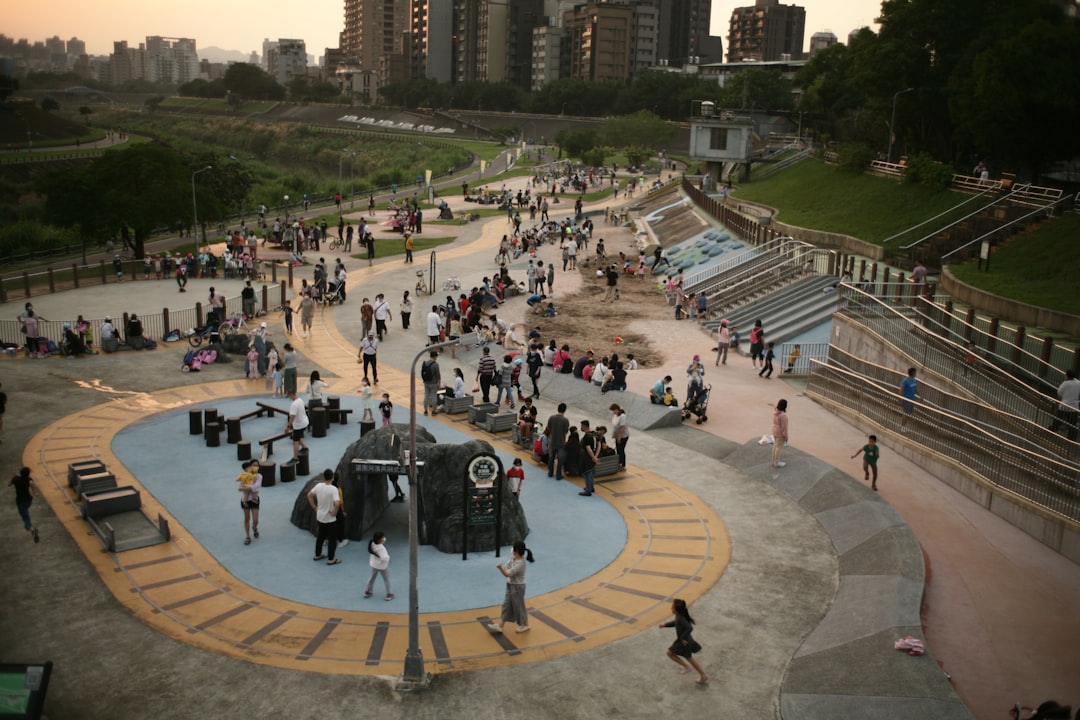
Context and Current Trends in Urban Planning
The global urban planning market is projected to grow significantly, with an estimated value of $6 trillion by 2030, according to a report by MarketsandMarkets. This growth is driven by an increasing demand for sustainable and livable environments. Cities like Amsterdam, Singapore, and Barcelona are leading the way in adopting conscious city principles, focusing on integrating nature with urban living.
You may also like
 Government & Policy
Why Rising Bond Yields Impact Corporate Financing
The recent surge in U.S. bond yields, reaching levels not seen since 2002, poses significant challenges for corporate finance managers and real estate investors. As…
Read More →Dr. Emily Hargreaves, a senior planner at the Urban Development Institute, stated, “The future of urban living hinges on our ability to create spaces that not only accommodate growth but also enhance the quality of life for individuals and communities. Mindful planning is key to achieving that balance.” This sentiment underscores the importance of incorporating holistic approaches to urban design, which can lead to healthier, more vibrant communities.
Challenges and Alternative Perspectives
Despite the advantages of conscious cities, challenges abound. Critics argue that the push for mindfulness in urban design can sometimes prioritize aesthetics over practical needs, potentially leading to gentrification and displacement. While the intent behind conscious city initiatives is often positive, stakeholders must remain vigilant to ensure that these projects are inclusive and equitable. Acknowledging these concerns is vital for fostering community trust and support.
Moreover, the implementation of conscious city strategies requires substantial investment and collaboration among various sectors, including government, private enterprises, and community organizations. This multifaceted approach can create tensions, particularly when balancing budgets and diverse stakeholder interests.
The Path Forward for Urban Professionals
For professionals in the fields of architecture, urban planning, and community development, the evolution of conscious cities presents exciting opportunities. As cities increasingly focus on sustainable and mindful design, professionals equipped with knowledge in these areas will be in high demand. Skills in sustainability, community engagement, and innovative design will be crucial in shaping the future urban landscape.
Skills in sustainability, community engagement, and innovative design will be crucial in shaping the future urban landscape.
As urbanization continues to accelerate, the need for professionals who can navigate the complexities of urban environments will grow. Emphasizing continuous learning and adaptation will empower leaders to implement strategies that foster community well-being and resilience.
The concept of conscious cities is not just about creating aesthetically pleasing environments; it is fundamentally about enhancing the human experience within urban settings. As more cities adopt these principles, the potential for positive change in urban living is profound. City planners and designers have the opportunity to redefine urban spaces, encouraging a future where communities thrive in connectivity and mindfulness.
You may also like
 Government & Policy
California AG Targets OpenAI Over Cybersecurity Risks
California AG Rob Bonta has issued a subpoena to OpenAI as part of an investigation into cybersecurity risks associated with its AI technology.
Read More →