No products in the cart.

Exploring the Next Frontier in Biotechnology: Gene Therapy and Ethics

Dive into the world of gene therapy and synthetic biology, exploring their potential and ethical considerations in human enhancement.

Boston, USA — The field of biotechnology is on the brink of a revolution. innovation-fund/” class=”ca-internal-link”>innovations-in-stadiums-and-merchandise/” class=”ca-internal-link”>innovations in gene therapy and synthetic biology are not just reshaping healthcare; they are redefining what it means to be human. As researchers unlock the secrets of our DNA, the potential for human enhancement looms on the horizon.
These advancements matter now more than ever. The ongoing COVID-19 pandemic has accelerated interest in genetic therapies, as mRNA technology has demonstrated a rapid response capability. Companies like Moderna and BioNTech have not only developed vaccines but opened doors to a broader application of gene editing and therapy in combating diseases.[1]
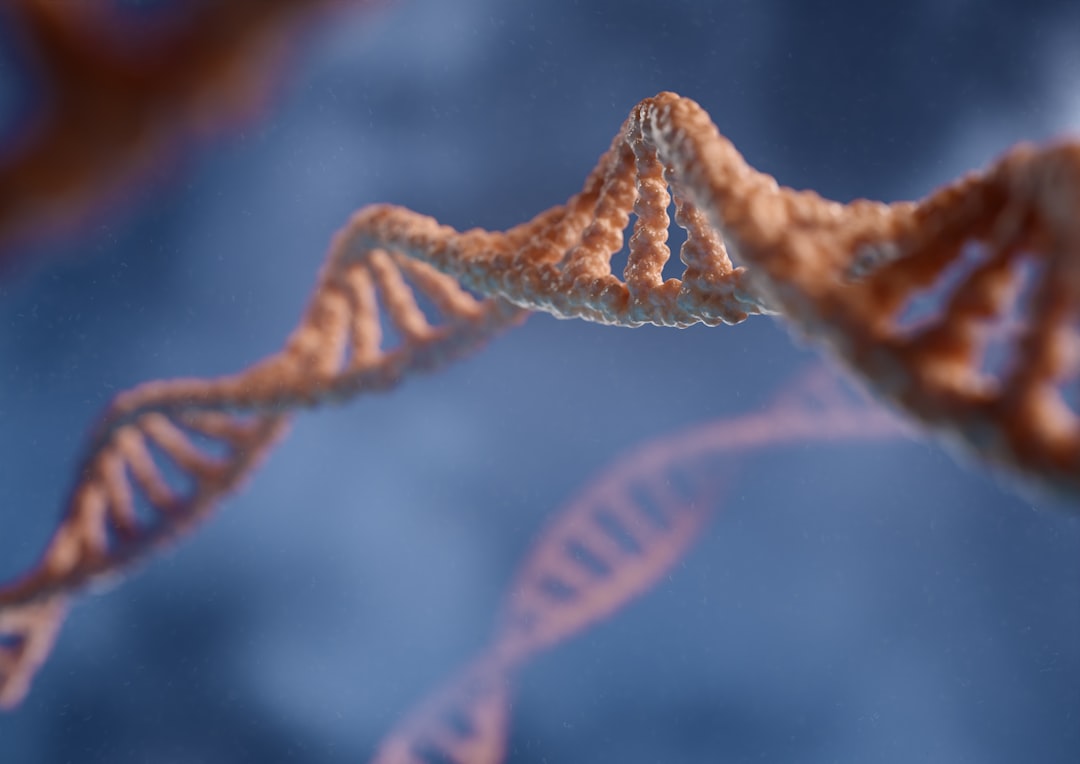
Gene therapy has long been hailed for its potential to treat genetic disorders by correcting defective genes. Recent clinical trials have shown promising results in treating conditions like sickle cell disease and spinal muscular atrophy. These therapies are not merely theoretical; they are being applied to real patients with life-altering outcomes.
 Career Trends
Rethinking Success: Gen Z’s New Ambition
Gen Z is reshaping ambition, prioritizing mental health and freedom over traditional success metrics. This shift has profound implications for…
Read More →However, the allure of gene therapy does not come without ethical dilemmas. As scientists explore the possibility of enhancing human traits—such as intelligence, physical ability, or longevity—questions arise about equity, consent, and the very definition of humanity. The term “designer babies” has entered the lexicon, conjuring images of a future where genetic engineering creates societal divides based on access to technology.
The term “designer babies” has entered the lexicon, conjuring images of a future where genetic engineering creates societal divides based on access to technology.
To understand the implications of these technologies, it’s crucial to comprehend the landscape of biotechnology today. The global gene therapy market was valued at approximately $4.6 billion in 2021 and is projected to reach $17.3 billion by 2028, growing at a CAGR of 20.9%[2]. Major players, including Novartis and Roche, are investing heavily in research and development, signaling robust interest from the pharmaceutical industry.
The ethical considerations surrounding these advancements are being addressed at multiple levels. Organizations like the World Health Organization (WHO) and the National Institutes of Health (NIH) are establishing guidelines to govern research and applications of gene editing technologies. The WHO has called for a global governance framework to ensure that gene editing is used responsibly, advocating for public engagement in discussions about its implications.[3]
Despite the regulatory frameworks, there are significant concerns regarding the accessibility of these technologies. The potential for a two-tiered society, where the wealthy can afford enhancements while the less fortunate cannot, poses a serious ethical challenge. This risk of exacerbating existing inequalities is a pressing issue that policymakers must confront.
 Business Innovation
Unlocking Opportunities: Global Business Grants for Women Entrepreneurs in 2025
Discover essential funding opportunities for women entrepreneurs in 2025 through global business grants. Empower your entrepreneurial journey!
Read More →There are also scientific challenges to overcome. The CRISPR-Cas9 gene-editing technology, while revolutionary, is not without its limitations. Off-target effects, where unintended parts of the genome are altered, remain a concern.[4] Researchers are actively working to refine these techniques, ensuring precision and safety before widespread adoption.
Looking forward, the intersection of biotechnology and ethics will be crucial. As advancements continue, public engagement will play a pivotal role in shaping the narrative. Education around these technologies will empower individuals to make informed choices about their applications. Moreover, a collaborative approach among scientists, ethicists, and policymakers will be essential in navigating the complexities of gene therapy and synthetic biology.
The WHO has called for a global governance framework to ensure that gene editing is used responsibly, advocating for public engagement in discussions about its implications.[3]
The future of human enhancement is not merely a question of capability but of choice. As we stand at this crossroads, the decisions made today will resonate for generations. Will we embrace the promise of biotechnology responsibly, or will we allow fear and misunderstanding to dictate our path forward?