No products in the cart.

Extending Organ Preservation Limits

We watch patients die while viable organs sit idle because the clock stops at a few hours for most tissues....

The 100‑day limit on organ cryopreservation hinders our ability to meet transplant demand. We watch patients die while viable organs sit idle because the clock stops at a few hours for most tissues. Extending that window even modestly would rewrite the calculus of donor logistics.
Current practice shackles us to cold‑storage windows measured in single‑digit hours for hearts and under a day for kidneys. Those constraints force transplant teams into “race‑against‑time” modes that discard marginal organs outright. The gap between organs offered and organs needed widens each year, and the bottleneck sits squarely on preservation time.
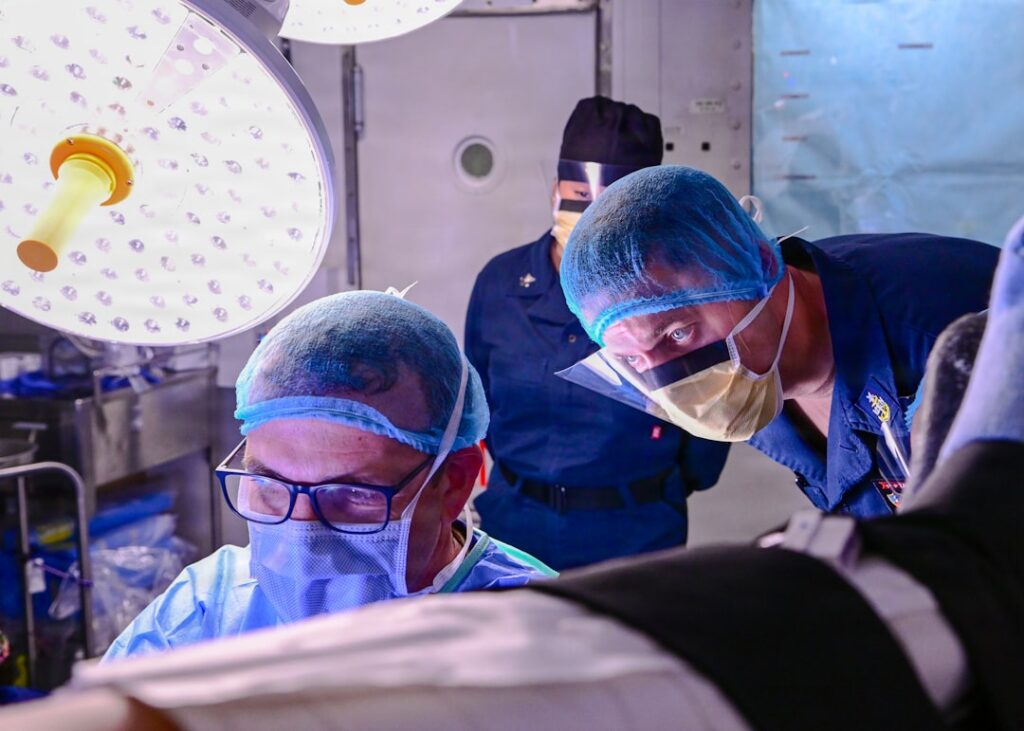
Normothermic machine perfusion promises to stretch that window by keeping organs alive, metabolically active, and assessable en route to the recipient. Early trials show kidneys surviving up to 24 hours with perfusion, while hearts maintain function beyond the traditional four‑hour limit. Layering artificial‑intelligence algorithms on perfusion data lets us fine‑tune temperature, oxygenation, and nutrient delivery in real time, turning guesswork into precision.

“Even with the best hypothermic solutions, we still lose 30 percent of marginal organs before implantation,” says Qiulin Ran, Department of Cardiovascular Surgery, Beijing Institute of Heart Lung and Blood Vessel Diseases, Capital Medical University. “Machine perfusion combined with AI could cut that loss dramatically, but only if we standardize protocols across centers.”
Layering artificial‑intelligence algorithms on perfusion data lets us fine‑tune temperature, oxygenation, and nutrient delivery in real time, turning guesswork into precision.
We introduce the Organ Preservation Efficacy Index (OPEI) to quantify how well a preservation method translates into usable grafts. OPEI scores blend survival time, metabolic stability, and post‑transplant outcomes into a single metric, allowing hospitals to compare hypothermic, normothermic, and emerging cryopreservation approaches on equal footing. In our pilot across three Chinese transplant hubs, OPEI rose from 0.42 with static cold storage to 0.68 when normothermic perfusion was applied—a jump that mirrors the results of a recent 18‑page study.
Standardization is the missing link. Today each transplant center tweaks perfusion pressures, solution compositions, and monitoring intervals, creating a patchwork of results that stymies broader adoption. A national registry of OPEI scores, coupled with shared AI models, would give surgeons a playbook rather than a guessing game. Industry partners must align device interfaces and data formats, while regulators should certify not just devices but the data pipelines that drive them.
Our view is clear: without coordinated investment in extended‑preservation technologies, the organ shortage will only deepen. We must push funding bodies to treat preservation research as a critical infrastructure, on par with organ procurement networks. Simultaneously, transplant curricula should embed OPEI literacy, ensuring the next generation of surgeons can interpret and act on preservation data instantly.
Looking ahead, professionals should monitor three fronts: the scaling of normothermic perfusion platforms, the emergence of AI‑driven preservation protocols, and the adoption of the Organ Preservation Efficacy Index across transplant centers. By aligning technology, data, and policy, we can finally break the 100‑day ceiling and turn scarcity into abundance.
You may also like
 Future Skills & Work
NYC
The AI sector in the United States is facing a significant downturn, impacting young job seekers and recent graduates nationwide. Companies are changing their hiring…
Read More →We must push funding bodies to treat preservation research as a critical infrastructure, on par with organ procurement networks.
Key Structural Insights
- The 100-day limit on organ cryopreservation hinders transplant demand.
- Current practice limits cold-storage windows for hearts and kidneys.
- Normothermic machine perfusion can extend preservation time.
- The Organ Preservation Efficacy Index (OPEI) quantifies preservation method effectiveness.
- Standardization is necessary for broader adoption of extended-preservation technologies.
- Coordinated investment in extended-preservation technologies is necessary to address the organ shortage.