No products in the cart.

Factory Output Drop Raises Concerns for Manufacturing Jobs
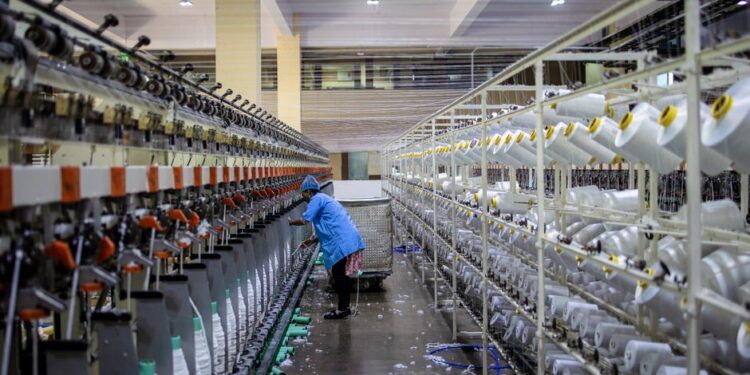
The recent decline in US factory output for the first time this year signals potential job risks for manufacturing engineers. As production schedules are affected and costs rise, the industry faces a critical moment. Adaptability and skill enhancement will be essential for navigating these changes.

US factory output fell by 0.3% in August 2026. This is the first decline this year. The drop has raised concerns in the manufacturing sector, especially for engineers and supply chain managers. Lower production and rising costs may lead to job instability in the industry.
Several factors caused the decrease in output. These include higher raw material costs and a slowdown in business equipment production. According to Career Ahead’s analysis of data from ttnews.com and moneycontrol.com, these rising costs have forced manufacturers to rethink their production strategies. This has led to tighter budgets and possible layoffs.
The Impact of Declining Output on Production Schedules
As factory output declines, manufacturing engineers face changing production schedules. The unexpected drop means many companies must adjust their output forecasts and inventory levels. This shift can disrupt supply chains, causing delays and increased costs. Career Ahead research shows that manufacturers who do not adapt quickly may struggle to meet customer demands.
The decline in output can also create overcapacity in some areas. Companies may have to make tough decisions about staffing and resource allocation. With production slowing, many firms might cut hours or lay off workers to manage costs. This uncertainty is especially concerning for manufacturing engineers, who may find themselves in a tough spot as companies streamline operations.
Additionally, reduced factory output can affect suppliers and logistics providers. This creates a domino effect throughout the supply chain. Companies relying on just-in-time inventory systems may be particularly vulnerable. They might lack the buffer needed to handle production delays. Manufacturing engineers must develop contingency plans to address the risks of fluctuating production levels.
Career Ahead analysis shows that engineers with strong skills in data analysis and process optimization will adapt better to these changes.
Career Ahead analysis shows that engineers with strong skills in data analysis and process optimization will adapt better to these changes. By using technology and data-driven insights, manufacturing engineers can help their organizations stay agile and responsive to market demands, even in tough times.
Rising Costs and Supply Chain Decisions
Rising costs of raw materials and logistics add to the challenges for manufacturers. Sources like economictimes.indiatimes.com and reuters.com report that increasing oil prices and supply chain disruptions make it hard for companies to stay profitable. This situation forces many manufacturers to rethink their supply chain strategies, which may have long-term effects on the industry.
Manufacturing engineers play a key role in this process. They often optimize production processes and manage supplier relationships. In a time of rising costs, engineers must be proactive in finding cost-saving measures and exploring alternative sourcing options. This may mean reevaluating supplier contracts, renegotiating prices, or seeking local suppliers to cut transportation costs.
Moreover, the push for sustainability is encouraging manufacturers to adopt eco-friendly practices. This shift may require significant investment in new technologies and processes, which could strain budgets. Engineers knowledgeable about sustainable practices will be in high demand as companies balance cost management with environmental responsibility.
Manufacturing engineers need to enhance their skills in supply chain management and cost analysis.
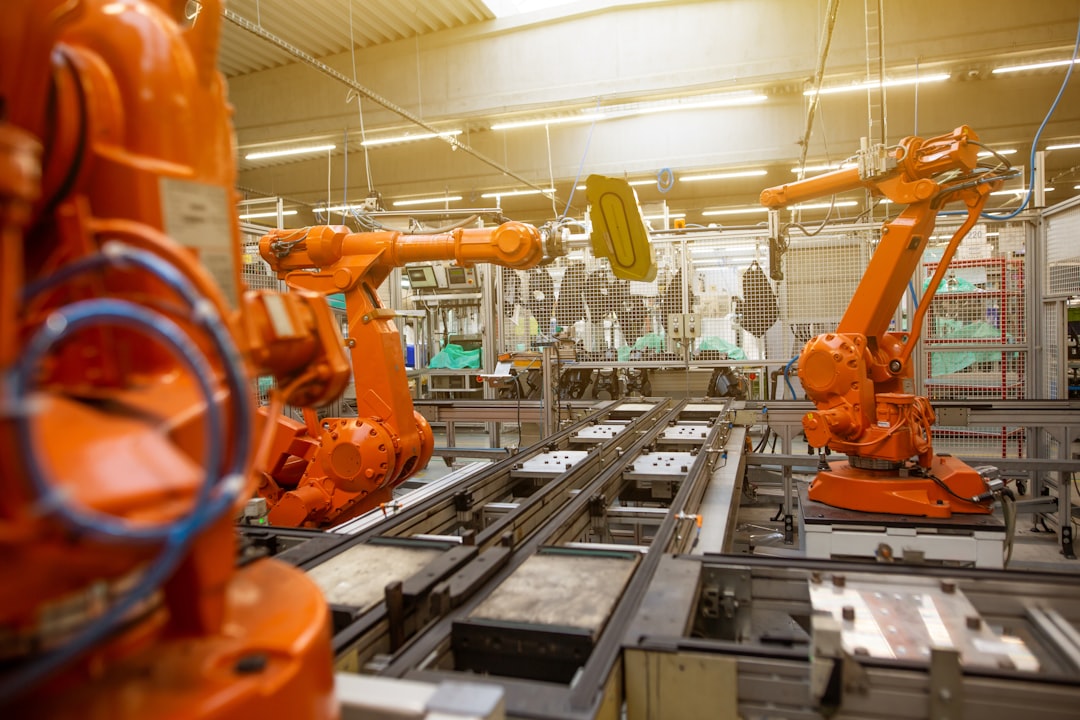
Manufacturing engineers need to enhance their skills in supply chain management and cost analysis. As manufacturing evolves, engineers who can adapt will be better equipped to handle the industry’s complexities.
Potential Layoffs and Job Stability in Manufacturing
The risk of layoffs in manufacturing is a pressing concern as factory output declines. Many companies face tighter budgets and lower production levels, increasing the chance of job losses. Manufacturing engineers may be especially vulnerable as organizations look to cut costs.
Career Ahead’s analysis shows that the manufacturing sector has faced cyclical downturns before. This current decline could follow a similar pattern. Companies may implement hiring freezes or reduce their workforce to cope with economic challenges. Engineers in less critical roles may be at greater risk, while those with specialized skills or in leadership positions may fare better.
To lessen the impact of potential layoffs, manufacturing engineers should build a diverse skill set that includes both technical and soft skills. Engineers who show adaptability and leadership will be more appealing to employers, even in a tough job market.
Manufacturing engineers should enhance skills in data analysis, process optimization, and supply chain management.
This situation highlights the importance of staying informed and proactive in one’s career. As the manufacturing landscape changes, engineers must be ready to pivot and embrace new opportunities, whether in traditional roles or emerging fields like automation and smart manufacturing.
The outlook for the manufacturing sector is uncertain. However, the ability to adapt and innovate will be crucial for engineers navigating this changing environment. As companies adjust to new economic realities, the demand for skilled professionals who drive efficiency and sustainability will likely grow.
Frequently Asked Questions
What skills should manufacturing engineers develop in a declining output environment?
Manufacturing engineers should enhance skills in data analysis, process optimization, and supply chain management. These skills help them adapt to changing production demands and improve efficiency.
How can supply chain managers mitigate risks from reduced factory production?
Supply chain managers can mitigate risks by diversifying suppliers, renegotiating contracts, and adopting flexible inventory strategies. This approach helps them respond effectively to production fluctuations.
What should manufacturing engineers do about potential layoffs in the industry?
Manufacturing engineers should build a diverse skill set and stay informed about industry trends. By showing adaptability and leadership, they can enhance their employability in a challenging job market.
Written by Career Ahead AI. AI can make mistakes, so verify key facts. Report errors to support@careeraheadonline.com.