No products in the cart.

Faith-Based Initiatives Driving Sustainability Efforts

This article explores the role of religious communities in fostering sustainable practices and ecological ethics worldwide.

New York, USA — Religious communities worldwide are increasingly at the forefront of sustainability efforts, intertwining ecological ethics with spiritual teachings. From the Buddhist emphasis on harmony with nature to the Islamic call for stewardship of the Earth, faith-based organizations are mobilizing their congregations to address pressing environmental challenges.
The urgency of addressing climate change and environmental degradation has never been greater. With global temperatures rising and biodiversity declining, the intersection of faith and sustainability is becoming a critical focal point for many communities. This convergence not only highlights the moral imperative to protect the planet but also taps into a vast network of believers who can mobilize resources, advocate for policy changes, and implement grassroots initiatives.
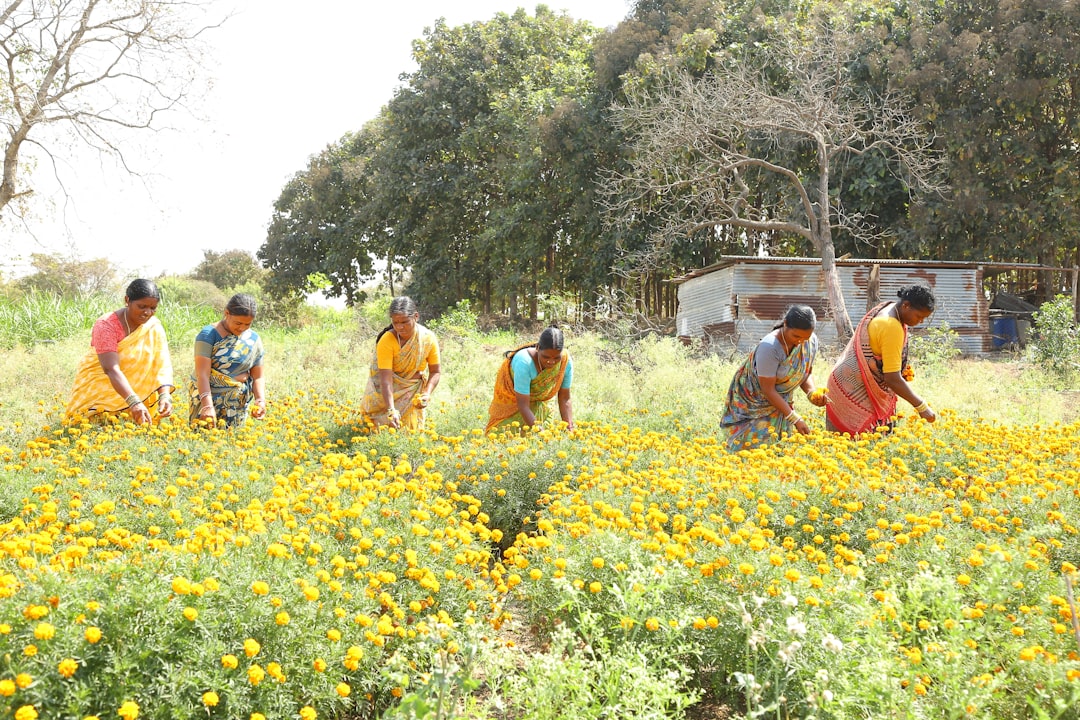
Many religious leaders argue that their teachings inherently promote a sense of responsibility towards the Earth. For instance, Pope Francis’s 2015 encyclical, Laudato Si’, calls for urgent action to combat climate change and advocates for a sustainable lifestyle. This document has sparked global dialogue among Catholics and non-Catholics alike, leading to numerous initiatives aimed at reducing carbon footprints and promoting renewable energy sources.
Across the globe, diverse faith traditions are embracing sustainability. In India, the Jain community practices aparigraha, or non-possessiveness, which translates to a lifestyle of minimal consumption and respect for all living things. This principle is reflected in their vegetarianism and conservation efforts, which contribute to ecological balance. Similarly, Buddhist organizations are increasingly involved in environmental activism, promoting mindfulness in consumption and advocating for the protection of natural resources.
 Career Development
Global Surge in Remote Internships Reshapes Early Career Paths in 2025
Remote internships have skyrocketed since 2020, with 2025 data showing sustained growth and global accessibility. This trend is reshaping early…
Read More →Many religious leaders argue that their teachings inherently promote a sense of responsibility towards the Earth.
In the United States, the Interfaith Power and Light initiative represents a coalition of religious congregations committed to reducing their carbon footprint and advocating for climate justice. Founded in 2000, the organization has mobilized thousands of faith communities to engage in energy efficiency programs and renewable energy projects. Their efforts exemplify how spirituality and sustainability can synergize to create meaningful change.
Furthermore, Islamic teachings underscore the importance of environmental stewardship. The concept of Khilafah, or stewardship, encourages Muslims to care for the Earth as a divine trust. Organizations like the Green Muslim Project are working to raise awareness about environmental issues within the Muslim community, promoting practices like recycling and reducing waste.
These faith-driven sustainability efforts are not without challenges. Critics argue that some religious institutions may prioritize spiritual teachings over scientific evidence, potentially hindering effective action against climate change. However, many leaders within these communities are increasingly recognizing the importance of integrating scientific knowledge into their ecological ethics. This is evident in the growing partnerships between religious organizations and environmental NGOs, which aim to bridge the gap between faith and science.
The involvement of religious communities in sustainability efforts is not just a matter of moral obligation; it also has significant social implications. By fostering a sense of community, these initiatives can enhance social cohesion and empower individuals to take action. For instance, community gardens, often led by faith-based groups, not only provide fresh produce but also serve as spaces for education on sustainable practices and environmental awareness.
 Digital Learning
Minneapolis Schools Offer Online Learning to Combat ICE Fears
Minneapolis Schools are allowing online learning due to fears surrounding ICE. This decision impacts students and families throughout the region.
Read More →Moreover, as climate change continues to impact vulnerable populations disproportionately, faith groups are increasingly advocating for environmental justice. In many cases, this advocacy aligns with their broader missions of compassion and social equity. The Sacred Earth, Sacred Trust campaign, launched by a coalition of religious groups, seeks to ensure that marginalized communities are included in discussions about environmental policy and climate resilience.
Looking ahead, the role of religious institutions in addressing climate change will likely expand. As younger generations become more environmentally conscious, faith-based organizations that actively promote sustainability may resonate more with these individuals. This trend could lead to a resurgence of participation in religious communities, driven by a shared commitment to environmental stewardship.
For instance, community gardens, often led by faith-based groups, not only provide fresh produce but also serve as spaces for education on sustainable practices and environmental awareness.
In addition, as global events like the COP climate conferences continue to unfold, religious leaders are increasingly invited to contribute to discussions around sustainability and climate action. Their unique perspectives can bring moral clarity to the scientific and political discourse, potentially influencing policy decisions at local and international levels.
Ultimately, the intersection of faith and sustainability offers a promising avenue for addressing one of the most pressing issues of our time. By uniting their moral imperatives with actionable environmental strategies, religious communities have the potential to inspire collective action that can lead to profound change. The question remains: will these faith-based initiatives be enough to drive the transformative change needed to protect our planet for future generations?
 Career Advice
Mastering Transferable Skills: Your Key to Career Versatility
Explore strategies to develop transferable skills that open doors across various career sectors, ensuring professional growth and adaptability.
Read More →