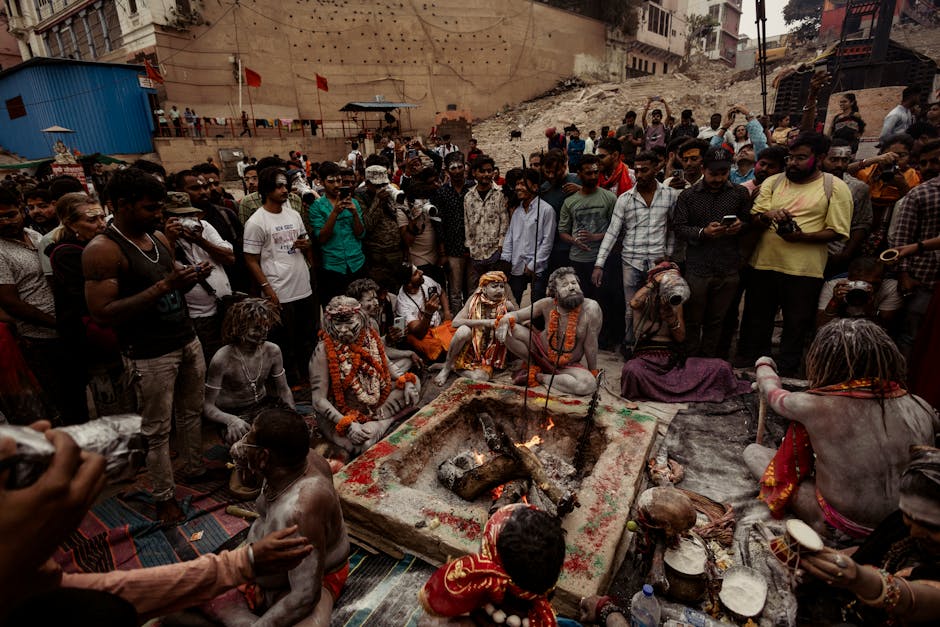
Prayagraj, India — The Magh Mela 2026 has drawn an astounding 9 lakh pilgrims to the banks of the Ganges in Prayagraj. This annual Hindu pilgrimage is not just a religious event but also a significant cultural gathering. As thousands of devotees take their holy dips, the local authorities have announced that schools up to Class 8 will remain closed from January 16 to January 20 to ensure safety and manage the influx of visitors.
The Magh Mela, held during the auspicious month of Magh, is an event where millions gather to bathe in the sacred waters of the Ganges. This year’s gathering is particularly noteworthy due to the high number of participants, highlighting the event’s enduring significance in Indian culture. The local administration is preparing for the large crowds by implementing strict safety measures and traffic regulations.
As the event unfolds, educational institutions in the area are transitioning to online platforms to maintain academic progress during the school closure. This decision reflects a growing trend in education, where digital solutions are becoming increasingly important, especially in times of disruption.
Why Magh Mela 2026 Is Significant for Prayagraj
The Magh Mela is not just a religious observance; it is a vital part of Prayagraj’s identity and economy. The event attracts pilgrims from across India and abroad, significantly boosting local businesses and hospitality services. Hotels, restaurants, and local vendors are prepared for the surge in demand, with many offering special packages to accommodate visitors.
Furthermore, the closure of schools during this period raises questions about the impact on students’ education.
Historically, the Magh Mela has been a time for community gathering and cultural exchange. This year, the event also coincides with various cultural programs and fairs, showcasing local art and traditions. Such initiatives are essential in promoting the rich heritage of Prayagraj and providing a platform for local artists.
Furthermore, the closure of schools during this period raises questions about the impact on students’ education. With classes shifting online, educators are tasked with ensuring that learning continues effectively. This transition may serve as a model for future educational strategies during large-scale events.
Implications for Local Education During the Magh Mela
The decision to close schools up to Class 8 during the Magh Mela reflects a careful consideration of student safety and logistical challenges. With such a large number of pilgrims expected, the local administration prioritizes the well-being of students and their families. However, this closure also poses challenges for educational continuity.
Transitioning to online learning is a significant step, but it comes with its own set of challenges. Not all students have equal access to technology or the internet, which can exacerbate educational inequalities. Schools must ensure that all students are equipped to participate in online learning, which may involve providing resources and support.

Moreover, teachers will need to adapt their teaching methods to engage students effectively in a virtual environment. This situation could serve as a catalyst for long-term changes in educational practices, encouraging more flexible learning options in the future.
However, some experts caution against relying solely on digital solutions. A recent study from the National Council of Educational Research and Training (NCERT) emphasizes the importance of in-person interactions for young learners. They argue that while online learning can supplement education, it should not replace traditional classroom experiences, especially for younger students.
They argue that while online learning can supplement education, it should not replace traditional classroom experiences, especially for younger students.
Preparing for Future Events in Prayagraj
As the Magh Mela continues to unfold, it sets a precedent for how future events can be managed in Prayagraj. The successful implementation of online education during this period may influence how schools respond to similar situations in the future. Additionally, the local government’s response to the influx of pilgrims could serve as a model for managing large gatherings safely.
Looking ahead, it will be crucial for local authorities and educational institutions to collaborate on strategies that ensure safety while maintaining educational standards. This collaboration could involve developing contingency plans for future events, ensuring that both safety and learning can coexist.
As we reflect on the significance of the Magh Mela, one must consider how such events can shape the future of community engagement and education in Prayagraj. What lessons can be learned from this year’s challenges, and how can they be applied to enhance the experience for both pilgrims and students in the years to come?
Written by Career Ahead AI. AI can make mistakes, so verify key facts. Report errors to support@careeraheadonline.com.