No products in the cart.

Feather Aims to Be ‘Android of Robotics’ for Developers

Feather Robotics has launched a modular platform designed to empower developers in the robotics industry, addressing current limitations and enhancing collaboration.

Feather Robotics has officially launched a groundbreaking platform that aims to be the ‘Android of robotics’ for developers. Founded by Hoa Mai and Parsa Bakhtiari, the startup has introduced a modular robotics system that allows developers to customize hardware for specific tasks. This innovation could significantly streamline the robotics development process and enhance collaboration among developers.
Feather’s platform is designed to address the current limitations in the robotics industry, where many companies struggle to create adaptable robots. Unlike competitors like Tesla, which focus on building complex robots from the ground up, Feather provides a toolkit that enables developers to work with existing modules. This approach allows for faster deployment and iteration. According to TechCrunch, Feather’s strategy is to empower developers by providing them with the necessary tools to tackle real-world tasks immediately, rather than waiting for a fully autonomous solution to materialize.
Accelerating Robotics Development Through Modularity
The modular system offered by Feather enables developers to adjust various components of the robot, such as arm lengths and sensors, to suit different applications. This flexibility is crucial in a field where tasks can vary widely, from cooking in restaurants to cleaning in laboratories. By allowing customization, Feather’s platform can cater to a diverse range of industries and use cases. The ability to prototype quickly means that developers can test multiple configurations to find the most effective solutions for their specific needs.
According to Career Ahead’s analysis, Feather’s approach could reduce the development time for robotics projects significantly.
You may also like
 AI & Technology
Meta Muse AI Boosts Digital Avatars and Smart Glasses
Meta's recent upgrade to the Muse AI agent marks a significant advancement in digital avatar design and augmented reality. With enhanced capabilities, professionals in these…
Read More →According to Career Ahead’s analysis, Feather’s approach could reduce the development time for robotics projects significantly. Developers can rapidly prototype and test their ideas without needing to build an entire robot from scratch. This efficiency is likely to attract startups and established companies looking to innovate quickly in the robotics space. Furthermore, the affordability of Feather’s robots, starting at $30,000, is a significant advantage. This price point is approximately half that of similar offerings from competitors like Unitree, making it accessible for smaller companies and startups that may not have the capital to invest heavily in robotics.
As Feather continues to refine its product, the potential for increased collaboration among robotics developers becomes apparent. The platform’s modular nature encourages partnerships and shared resources, allowing developers to build on each other’s work. This collaborative environment could lead to a surge in innovation, as teams leverage Feather’s tools to create more sophisticated robotic solutions. The emphasis on community and shared development mirrors trends seen in software development, where open-source projects have led to rapid advancements and widespread adoption.
Shifting the Robotics Landscape with Developer-Centric Solutions
The robotics industry has long been dominated by a few major players, making it challenging for new entrants to establish themselves. However, Feather’s unique positioning as a developer-centric platform may disrupt this status quo. By focusing on the needs of developers, Feather is carving out a niche that could attract a broad spectrum of users. As highlighted by Yahoo Finance, the startup’s approach mirrors successful tech giants like Nvidia and Apple, which began with functional products before layering in complexity. This focus on practicality is a refreshing shift in an industry often bogged down by theoretical advancements without tangible applications.
Furthermore, Feather’s modular system aligns with a growing trend towards more accessible robotics solutions. As industries increasingly adopt automation, the demand for user-friendly, adaptable robots is rising. Feather’s platform not only meets this demand but also empowers developers to create tailored solutions that address specific challenges in their fields. The potential for Feather to inspire other startups to adopt similar modular approaches could lead to a broader ecosystem of applications, as Career Ahead research indicates that thousands of new robotics startups may emerge in the next five years.
You may also like
 AI & Technology
YouTube Enhances Creator Experience with AI Editing Tools and More
YouTube's latest updates introduce over 30 new features, including AI editing tools, custom feeds, and shorts series, significantly improving content creation for creators and video…
Read More →As Feather prepares for a major product launch, the excitement within the robotics community is palpable. Developers are eager to explore the possibilities that this new platform offers, and the implications for the industry could be profound. If Feather succeeds in fostering a vibrant developer community, it may redefine how robotics projects are conceived and executed. The startup’s entry into the robotics market raises questions about the future landscape of the industry. Will it inspire other startups to adopt similar modular approaches? Can it sustain its initial momentum and continue to attract developers? These questions highlight the uncertainty and potential for disruption that Feather embodies.
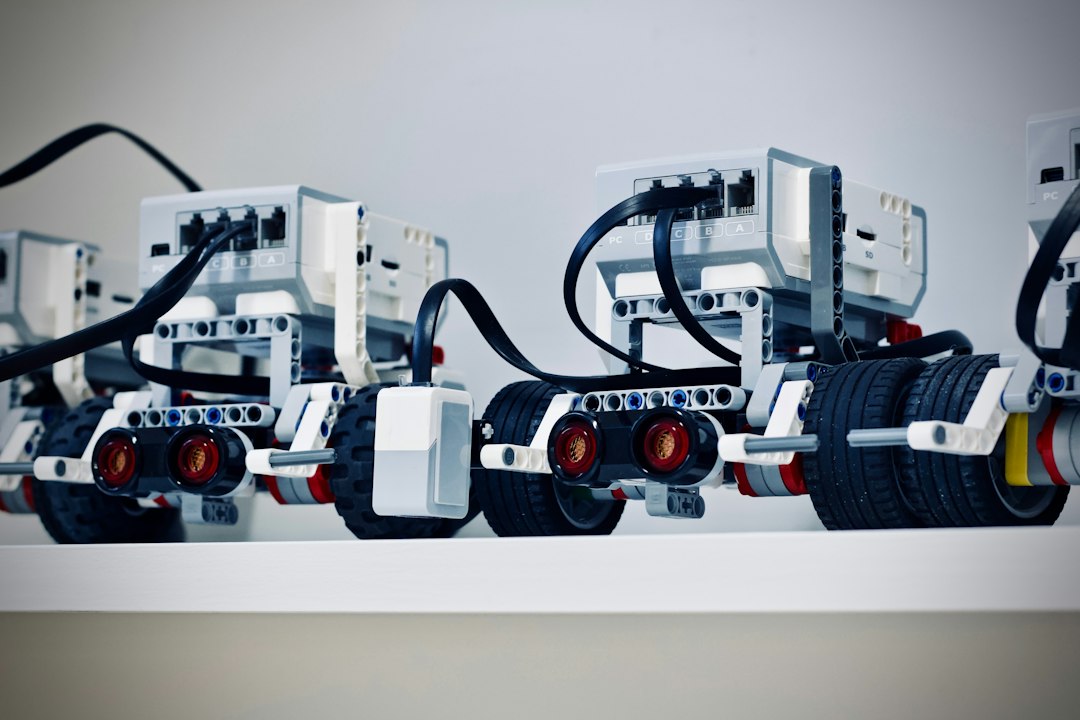
As highlighted by Yahoo Finance, the startup’s approach mirrors successful tech giants like Nvidia and Apple, which began with functional products before layering in complexity.
In conclusion, Feather Robotics is positioning itself as a game-changer in the robotics industry, offering a modular platform that not only enhances the speed of development but also fosters collaboration among developers. As the demand for adaptable and user-friendly robotic solutions continues to grow, Feather’s innovative approach could pave the way for a new era in robotics, where developers are empowered to create customized solutions that meet the diverse needs of various industries.
Frequently Asked Questions
What features does Feather offer for robotics developers?
Feather provides a modular robotics system that allows developers to customize hardware components for various applications. This flexibility enables rapid prototyping and deployment, making it easier for developers to create tailored solutions.
How can startup founders leverage Feather’s platform for their projects?
Startup founders can utilize Feather’s affordable modular robots to integrate automation into their operations without significant upfront costs. This accessibility allows smaller companies to innovate and compete in the robotics space.

What are the benefits of using a standardized robotics platform like Feather?
A standardized platform like Feather simplifies the development process by providing a toolkit that developers can build upon. This encourages collaboration and accelerates innovation, as developers can share resources and ideas.
You may also like
 AI & Technology
Strategic leverage reshapes 2026 counter‑offer dynamics
The analysis focuses on the mechanisms that translate an offer into a counter‑offer, revealing.
Read More →