No products in the cart.

Fed’s Goolsbee Says Too-High Inflation Is ‘Going the Wrong Way’

Goolsbee's comments during an interview on American Public Media's Marketplace highlight persistent inflation and its implications for economic policy.

Chicago, US — Austan Goolsbee, President of the Federal Reserve Bank of Chicago, expressed serious concerns regarding the current inflation trends in a recent interview. He stated that inflation is not only persistent but is also moving in the wrong direction, which poses significant implications for economic forecasts and financial strategies. Goolsbee’s remarks come at a time when inflation rates are still above the Federal Reserve’s target, raising alarms among economists and financial analysts alike.
Goolsbee’s comments were made during an interview on American Public Media’s Marketplace, where he emphasized that the factors driving inflation are not merely temporary. This perspective diverges from previous assumptions that inflation would ease as supply chain issues resolved. Instead, Goolsbee’s assessment suggests a more complex economic landscape that may require a reevaluation of monetary policy and fiscal strategies. He noted, “We’ve been dealing with an inflation problem that’s well above the target and has been going the wrong way,” highlighting the urgency of the situation (Bloomberg).
Impact of Inflation on Interest Rates
As inflation continues to rise, the Federal Reserve faces mounting pressure to adjust interest rates. Historically, higher inflation has led to increased interest rates as central banks attempt to stabilize the economy. Goolsbee’s warnings indicate that the Fed may need to reconsider its approach to interest rate adjustments, particularly if inflation does not show signs of abating. The implications of this are profound, as rising interest rates can lead to increased borrowing costs for consumers and businesses alike.
Career Ahead’s analysis finds that if inflation persists, the Fed may be forced to implement a series of rate hikes that could impact borrowing costs across various sectors. Higher interest rates typically lead to increased costs for consumers and businesses, which can slow economic growth. This dynamic is especially critical for financial analysts who must adjust their forecasts and investment strategies in response to changing monetary policy. Moreover, Goolsbee’s insights suggest that the Fed’s actions will be closely scrutinized, as any missteps could exacerbate inflationary pressures or stifle economic recovery.
Furthermore, the implications of rising interest rates extend beyond immediate economic impacts. Analysts need to consider how these changes will affect consumer behavior, particularly in sectors such as housing and automotive, where financing plays a crucial role. A shift in consumer spending patterns could lead to broader economic ramifications, making it essential for economists to closely monitor these developments. Goolsbee’s remarks underscore the importance of adapting to a potentially prolonged period of higher interest rates, which could redefine investment strategies and financial planning.
Higher interest rates typically lead to increased costs for consumers and businesses, which can slow economic growth.
You may also like
 News
NewsBloomberg This Weekend 10/4/2026
The launch comes at a time when media consumption patterns are rapidly changing. Viewers increasingly prefer on-demand content and real-time updates, prompting networks like Bloomberg…
Read More →In this context, Goolsbee’s comments serve as a call to action for financial analysts and economists. They must prepare for a potentially prolonged period of higher interest rates, which could redefine investment strategies and financial planning. The ability to adapt to these changes will be crucial for stakeholders looking to navigate the evolving economic landscape.
Strategies for Investment Adjustments
In light of Goolsbee’s warnings, financial analysts must develop strategies to mitigate the risks associated with rising inflation and interest rates. One potential approach is to diversify investment portfolios to include assets that traditionally perform well during inflationary periods, such as commodities and real estate. These assets can provide a hedge against inflation, helping to preserve purchasing power. Analysts are increasingly looking at sectors like energy and materials, which may present opportunities for investors seeking to capitalize on inflation trends. As demand for these commodities increases, companies operating in these sectors could see significant revenue growth, making them attractive investment targets.
Moreover, analysts should remain vigilant about the potential for increased volatility in the stock market as investors react to inflationary pressures. A proactive approach to risk management, including the use of options and other hedging strategies, may be necessary to protect portfolios from sudden downturns. Understanding market sentiment and investor behavior will be crucial in navigating this uncertain environment. Goolsbee’s insights also suggest that the Fed’s communication strategy will play a pivotal role in shaping market expectations and investor confidence.
Ultimately, the key for financial analysts will be to stay informed about economic indicators and adjust their strategies accordingly. By anticipating shifts in the market and adapting to new realities, analysts can position themselves and their clients for success amid changing economic conditions. As Goolsbee pointed out, the Fed’s response to inflation will undoubtedly shape economic policy for the foreseeable future, making it essential for analysts to remain agile and informed.
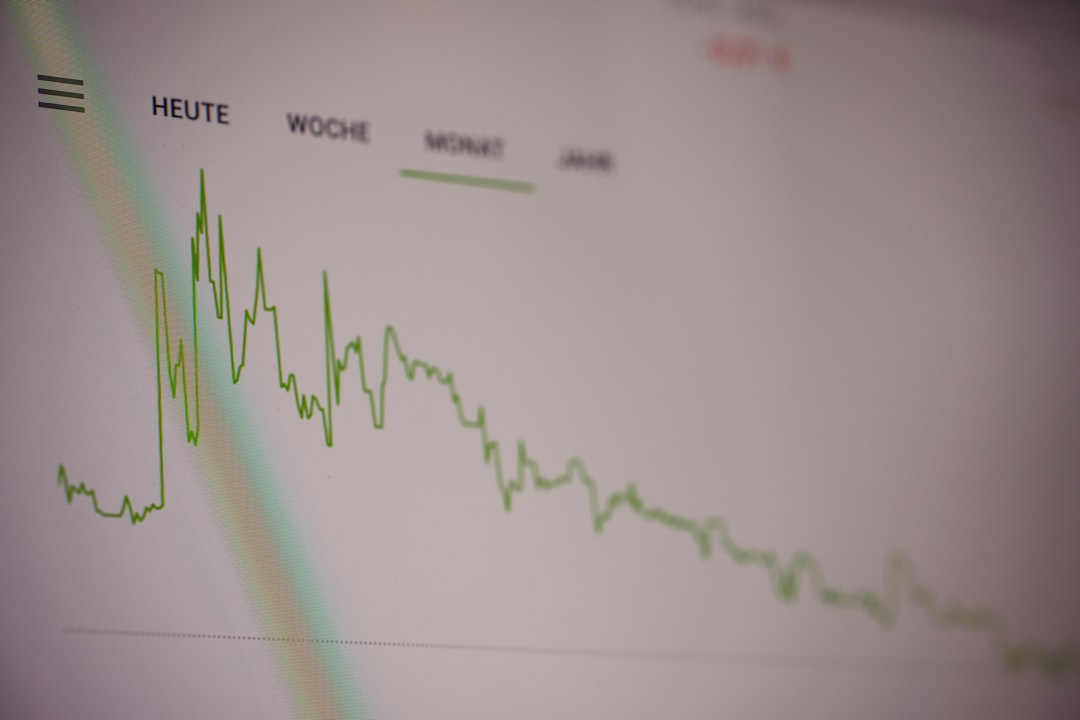
As Goolsbee pointed out, the Fed’s response to inflation will undoubtedly shape economic policy for the foreseeable future, making it essential for analysts to remain agile and informed.
As the Fed navigates these challenges, the implications for the labor market will also be significant. Higher interest rates could lead to reduced hiring and increased layoffs, particularly in interest-sensitive sectors. Economists will need to monitor these trends closely, as they could have lasting impacts on employment and wage growth. Goolsbee’s remarks highlight the importance of clear communication from the Fed regarding its policy intentions. Transparency will be crucial in maintaining market confidence and ensuring that investors can make informed decisions.
You may also like
 News
NewsJobs Slow but Inflation Keeps Fed on Alert
In September, the economy added just 150,000 jobs, a stark contrast to the 200,000 jobs analysts had predicted. This slowdown comes amid ongoing inflationary pressures,…
Read More →In summary, Goolsbee’s warnings about inflation signal a critical juncture for economic policy and financial strategy. As analysts and economists adapt to these changes, the focus will be on identifying opportunities and mitigating risks in an increasingly complex economic environment. Looking ahead, the question remains: how will the Fed’s actions in response to inflation shape the broader economic landscape? As stakeholders prepare for potential shifts, understanding these dynamics will be essential for navigating the future.
In conclusion, Goolsbee’s insights serve as a crucial reminder of the complexities surrounding current inflation trends and their implications for economic policy. As the Federal Reserve contemplates its next moves, the broader economic landscape will undoubtedly be influenced by these decisions, making it imperative for analysts and economists to remain vigilant and adaptable.
Frequently Asked Questions
What are the latest inflation trends affecting economic forecasts?
Career Ahead analysis shows that inflation rates are currently above the Federal Reserve’s target, prompting concerns from Fed officials like Austan Goolsbee. These trends indicate a need for economists to reassess their forecasts and strategies moving forward.
Career Ahead analysis shows that inflation rates are currently above the Federal Reserve’s target, prompting concerns from Fed officials like Austan Goolsbee.
How should financial analysts adjust their strategies in response to inflation?
Financial analysts should consider diversifying their investment portfolios to include assets that perform well during inflationary periods, such as commodities and real estate. Staying informed about market trends and adjusting strategies accordingly will be crucial.

What actions can economists recommend to mitigate the effects of rising inflation?
Economists may recommend tighter monetary policy measures, such as raising interest rates and tapering asset purchases, to combat inflation. Clear communication from the Fed about its policy intentions will also be important in maintaining market confidence.
You may also like
 News
NewsUAE may halt UK investments after Manchester City guilty verdict
The UAE's potential withdrawal of investments in the UK, following Manchester City's guilty verdict for financial breaches, could significantly impact the sports and real estate…
Read More →