India’s higher education system is at a pivotal moment. Dishan Kamdar, Vice-Chancellor of FLAME University, advocates for a significant transformation in how universities educate students in the age of artificial intelligence (AI). He argues that institutions must dismantle traditional barriers between disciplines and rethink learning methodologies to equip students for a future where adaptability and interdisciplinary skills are paramount.
Kamdar’s insights are particularly timely. The integration of AI across various sectors is reshaping job markets and educational requirements. As industries evolve, the expectations for graduates are also changing. The focus is shifting from merely securing a first job to preparing students for multiple career transitions throughout their lives.
Redefining Employability in the Age of AI
Kamdar emphasizes that the definition of employability must evolve. Traditional metrics, such as obtaining a job immediately after graduation, are no longer sufficient. Universities should prepare students for a lifetime of career changes, aligning with the National Education Policy, which promotes a holistic educational framework that nurtures critical thinking, creativity, and ethical judgment.
He points out that the current education system often fails to connect liberal education with clear career paths. While fields like medicine and engineering have straightforward trajectories, liberal education encompasses a broader range of skills. These skills, including adaptability, continuous learning, and the ability to navigate complex situations, are increasingly valuable across various sectors.
Research from Career Ahead indicates that employers now prioritize candidates who can think critically and collaborate effectively. This shift necessitates a curriculum that not only imparts knowledge but also fosters essential soft skills. Institutions like FLAME University are making strides by incorporating mentorship programs and industry partnerships into their educational models.
Moreover, Kamdar highlights the significance of experiential learning. At FLAME, students participate in real-world projects and internships that provide practical experience. This hands-on approach ensures that graduates are not only knowledgeable but also adept at applying their knowledge in real-life scenarios.
Research from Career Ahead indicates that employers now prioritize candidates who can think critically and collaborate effectively.
Incorporating AI into Educational Frameworks
The rise of AI presents both challenges and opportunities for educational institutions. Kamdar argues that universities should view AI as a tool to enhance learning rather than a threat. He believes AI can facilitate personalized education, enabling students to learn at their own pace and in their preferred styles. However, he cautions against over-reliance on technology, emphasizing that human interaction remains crucial in the learning process.
FLAME University is actively exploring ways to integrate AI into its curriculum. This includes teaching students how to utilize AI tools and helping them understand the ethical implications of these technologies. As Kamdar notes, students must cultivate critical thinking skills to effectively analyze AI-generated outputs.
Career Ahead’s research suggests that integrating AI into education necessitates a shift in teaching methodologies. Traditional strategies that emphasize rote memorization must adapt to promote deeper understanding and critical analysis. This may involve assessments that challenge students to defend their ideas and demonstrate their grasp of complex concepts.

Furthermore, Kamdar envisions a future where the role of educators evolves. Teachers will transition from being mere transmitters of knowledge to facilitators of learning experiences. This transformation will require significant investment in faculty development to equip them with the skills needed to guide students through a complex educational landscape.
Encouraging Interdisciplinary Learning
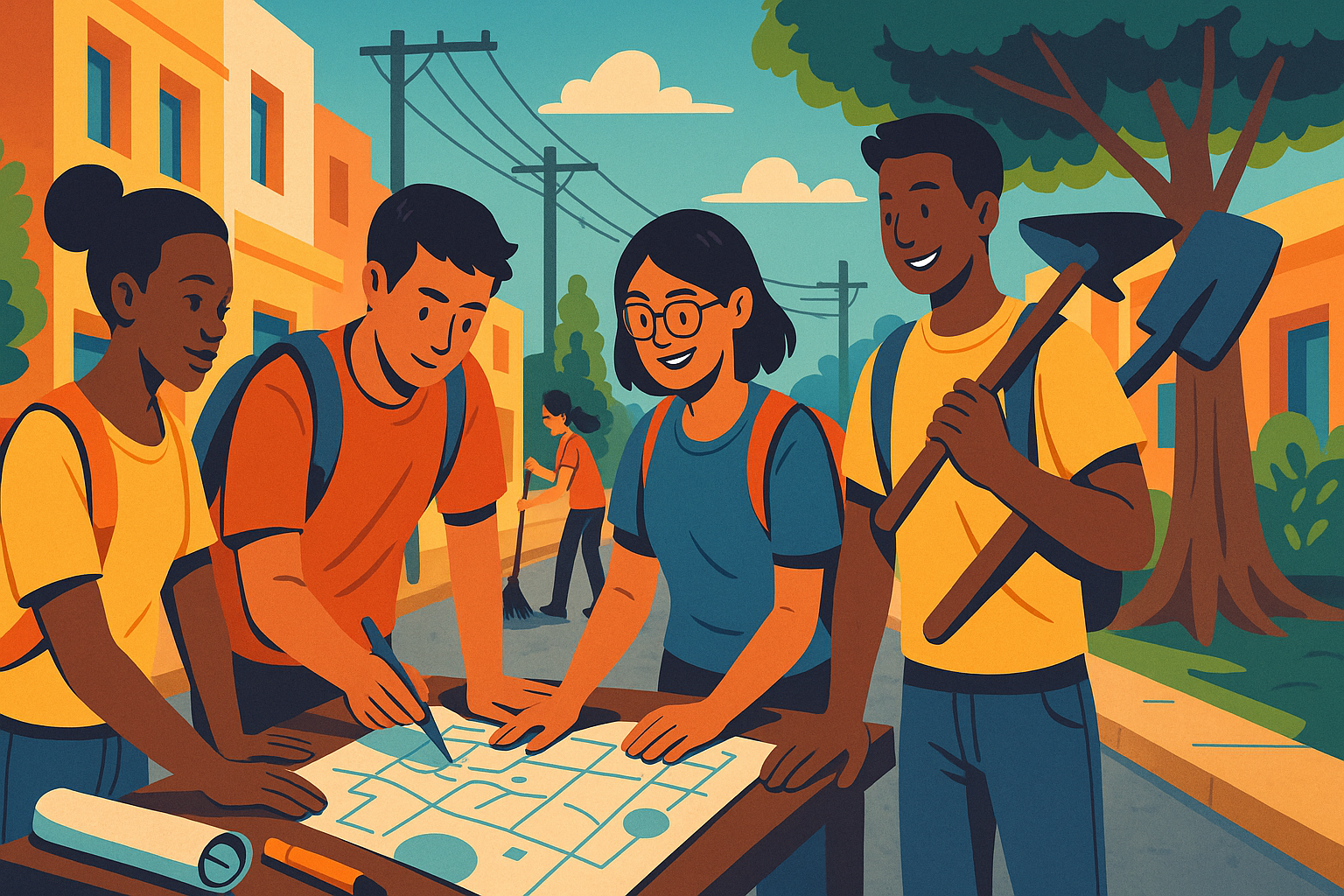
A significant challenge in higher education today is the rigid structure of academic disciplines. Kamdar argues that many real-world problems do not fit neatly into established categories. Therefore, universities must promote interdisciplinary learning, allowing students to connect ideas across various fields of study.
Research from Career Ahead indicates that interdisciplinary programs can enhance students’ employability by equipping them with diverse skill sets.
The National Education Policy supports this vision by encouraging creativity, innovation, and entrepreneurial thinking. However, Kamdar notes that the real challenge lies in implementation. Universities must actively dismantle barriers between departments and foster a culture of collaboration among faculty and students.
Research from Career Ahead indicates that interdisciplinary programs can enhance students’ employability by equipping them with diverse skill sets. For instance, a student with knowledge in psychology, business, and technology is better prepared to tackle complex workplace challenges. This approach enriches the educational experience and prepares graduates for the multifaceted nature of modern careers.
Additionally, Kamdar underscores the necessity of industry partnerships in curriculum development. By collaborating with businesses, universities can ensure their programs remain relevant and aligned with market demands, which is crucial for preparing students for a job market that increasingly seeks candidates with practical experience and diverse skills.
Future Directions for Higher Education
As FLAME University and other institutions pursue these goals, India’s higher education landscape is poised for significant transformation. The integration of AI, coupled with a commitment to interdisciplinary learning, could redefine education in the 21st century.
The pressing question remains: how swiftly can universities adapt to these changes? Will they effectively meet the evolving needs of students and employers alike? The answers to these questions will shape the future of higher education in India.
Will they effectively meet the evolving needs of students and employers alike?

Frequently Asked Questions
How can higher education administrators implement AI in their programs?
Higher education administrators can begin by integrating AI tools into existing curricula. Training faculty to utilize these technologies effectively is also essential. Collaborating with tech companies can provide resources and expertise to enhance AI integration.
What strategies should liberal arts faculty adopt to enhance employability?
Liberal arts faculty should develop interdisciplinary courses that blend traditional subjects with emerging fields like AI and data science. This approach helps students acquire a diverse skill set that is attractive to employers.
What should curriculum designers consider when integrating AI into courses?
Curriculum designers should emphasize experiential learning and critical thinking in AI courses. They must ensure that students learn how to use AI tools while understanding their ethical implications and limitations.
Written by Career Ahead AI. AI can make mistakes, so verify key facts. Report errors to support@careeraheadonline.com.