No products in the cart.

Flipkart’s “Fulfilled by Flipkart Local” Could Redefine the Small‑Seller Playbook
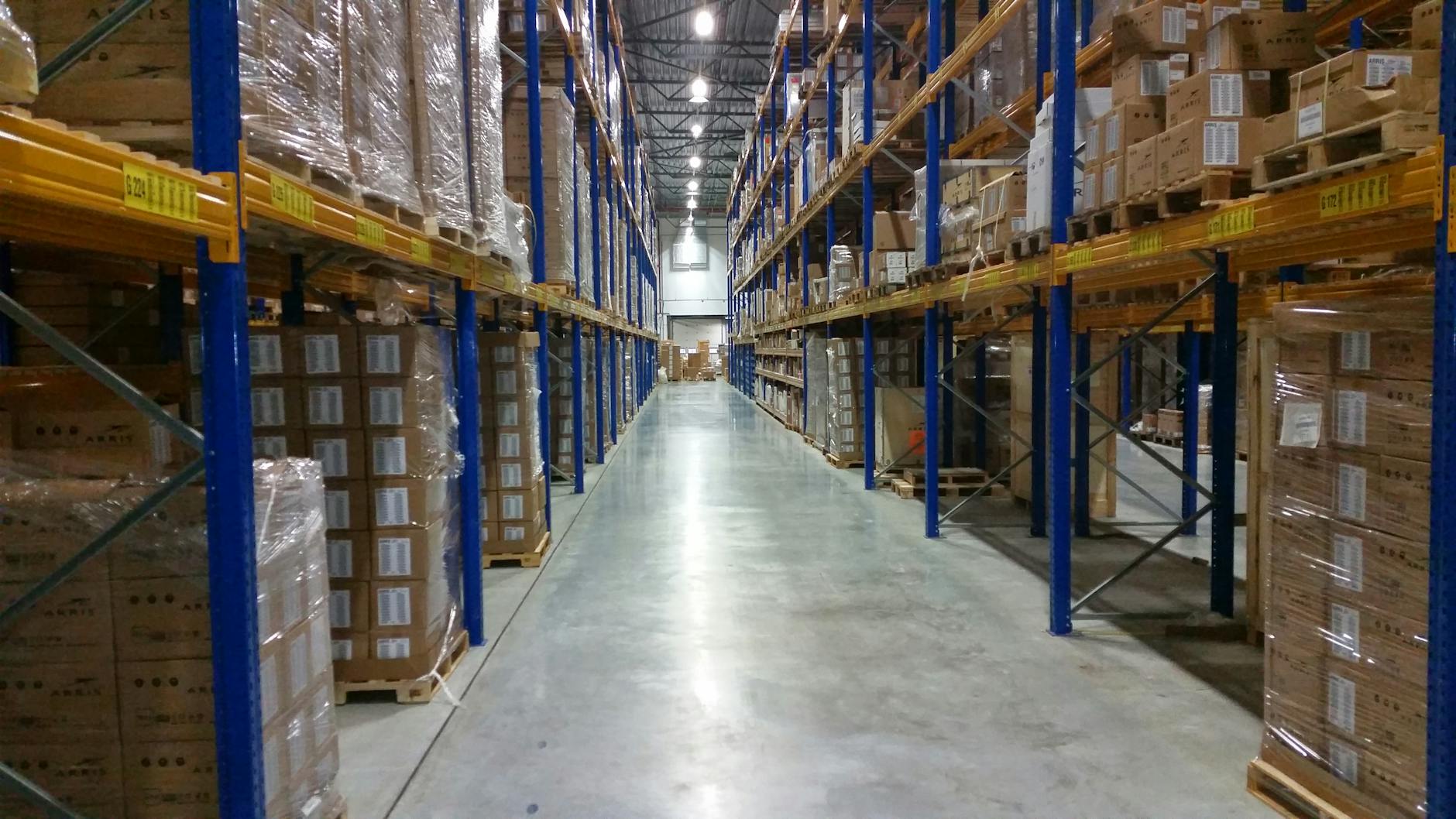
Flipkart’s new fulfillment program gives small sellers access to a shared warehouse network, potentially leveling the playing field but also testing the platform’s logistics economics.

Giving tiny merchants access to Flipkart’s warehouse network may turn logistics from a roadblock into a growth engine.
The Logistics Challenge Facing Small Sellers
Small sellers on Flipkart struggle with logistics, spending more time chasing couriers than creating new products. Orders often arrive late, and parcels can go missing in transit. This leads to negative reviews, lower ratings, and reduced visibility on the platform. According to a 2025 survey by the Indian Retailers Association, 62% of sellers with monthly sales under ₹50 lakh cite delivery hassles as their top pain point.
Large brands can sidestep these issues by leasing Flipkart’s fulfillment centers or partnering with established couriers. However, small merchants cannot afford the upfront fees or minimum order volumes required by these services. This creates an uneven playing field where logistics becomes the decisive factor between growth and stagnation.
Flipkart’s E‑commerce Dominance and Logistics Push
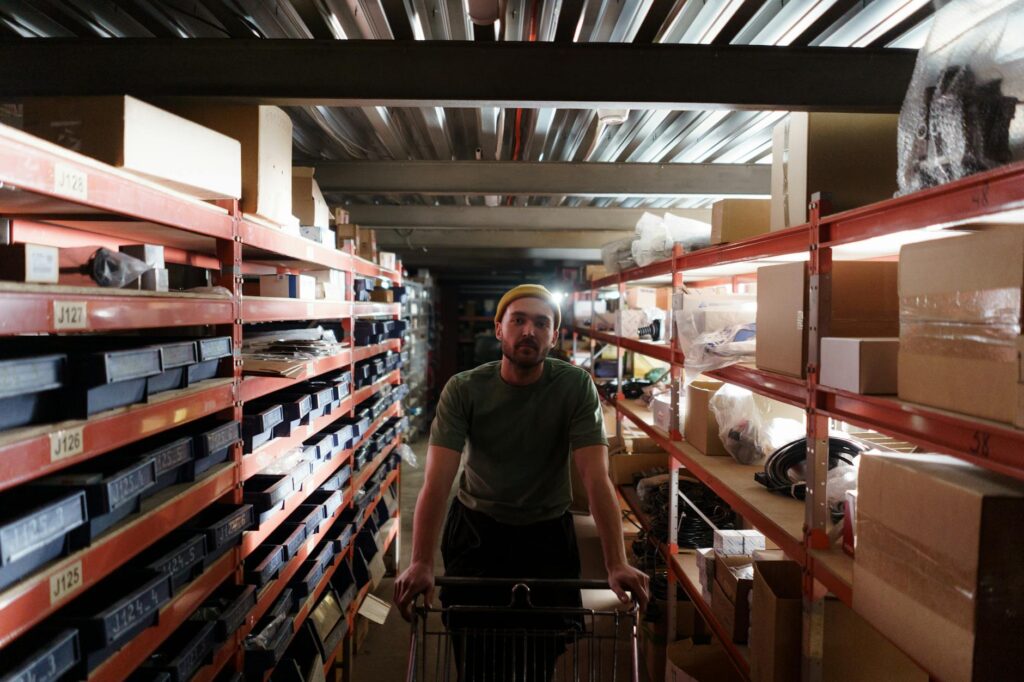
Flipkart remains India’s second-largest online marketplace, with a 28% jump in sales during its Big Billion Days 2025 event. The surge was driven largely by small-seller participation. To sustain such volumes, Flipkart has invested ₹12 billion in its logistics arm, Ekart, over the past two years. The company operates 120 fulfillment hubs across 45 cities, promising same-day delivery in Tier-1 metros and next-day service in Tier-2 towns.
This creates an uneven playing field where logistics becomes the decisive factor between growth and stagnation.
However, the rapid expansion has exposed gaps. A Deloitte 2025 report noted that while urban delivery times improved, rural last-mile performance lagged, with average delays of three to five days. Sellers in Tier-3 and Tier-4 markets still rely on informal transport networks, which are unpredictable and costly.
You may also like
 Job Market
The Psychology of Belonging in Digital Spaces: Impacts on Career Development
This article examines the significance of belonging in digital communities and its impact on career development and workplace culture.
Read More →The Stakes for Small Sellers and Flipkart
Small sellers constitute the lifeblood of Flipkart’s marketplace diversity, supplying 40% of the platform’s total SKU count. If these merchants falter, Flipkart risks a homogenized catalog dominated by big brands and private labels. A decline in small-seller activity could shave off up to 12% of Flipkart’s gross merchandise value, according to an ICRA projection released in March 2026.
Conversely, empowering tiny merchants could boost overall sales. A McKinsey case study on Brazil’s marketplace model showed that offering shared warehousing lifted small-seller revenue by an average of 34% within six months. Replicating that effect in India could translate into billions of rupees for Flipkart and its ecosystem partners.
Flipkart’s New Initiative: “Fulfilled by Flipkart Local”
In January 2026, Flipkart launched “Fulfilled by Flipkart Local,” a program that lets sellers store inventory in nearby micro-fulfillment centers (MFCs). The MFCs are 2,000-square-foot hubs located in suburban clusters, each equipped with automated sorting racks and a fleet of electric vans. Under FBL, a seller pays a flat ₹1,200 per cubic meter per month, plus a pick-and-pack fee of ₹12 per order.
Early adopters report measurable gains. Ravi Kumar, who sells organic spices from Jaipur, saw his average delivery time drop from 4.2 days to 1.8 days after moving 200 kg of stock into an FBL hub in Ajmer. His order-cancellation rate fell from 7% to 2%, and his monthly revenue rose 22% in the first quarter of 2026.
Conversely, empowering tiny merchants could boost overall sales.
Challenges and Outlook
The rollout of FBL faces hurdles, including concerns over loss of control over stock, especially in categories requiring temperature control. Flipkart’s current MFC network lacks cold-chain capabilities, limiting participation for perishable goods. Additionally, the program’s success hinges on reliable local courier partners.
You may also like
 Economic Development
The Missing Piece: Financial Education in Schools
Financial literacy is crucial for young adults, yet it's often overlooked in education. This article delves into why financial education matters and how to implement…
Read More →If FBL delivers on its promise, the Indian e-commerce landscape could shift dramatically. Small sellers would gain a logistics backbone previously reserved for large brands, allowing them to compete on speed and reliability. However, the initiative’s scalability remains uncertain, and Flipkart must expand its MFC footprint to cover more than 70% of its seller base within the next 18 months to avoid regional blind spots.