

Flow Engineering has successfully raised $50 million in a Series B funding round, aiming to enhance the integration of artificial intelligence into hardware development. This funding round, which values the company at approximately $750 million, was co-led by notable investors Antonio Gracias and Gavin Baker. The investment comes at a crucial time as the demand for AI-enabled hardware solutions continues to surge.
This financial boost allows Flow Engineering to accelerate its efforts in creating hardware that can adapt and iterate as quickly as software. The implications of this funding are profound, particularly for hardware engineers and AI researchers who will find new opportunities and challenges in the evolving landscape.
New Opportunities for Hardware Engineers
The infusion of $50 million into Flow Engineering is set to create a ripple effect in the job market for hardware engineers. As the company focuses on integrating AI into its hardware products, there will be an increased demand for engineers who possess skills in both hardware design and AI technologies. Career Ahead analysis finds that engineers who can bridge the gap between these two fields will be in high demand, as companies seek to innovate and create smarter, more efficient hardware solutions.
Furthermore, as Flow Engineering develops its AI-driven hardware, it will likely require a new breed of engineers who are adept at programming and machine learning. This shift will encourage existing engineers to upskill or pivot towards AI integration, ensuring they remain relevant in a rapidly changing job market. According to a report from Finance Yahoo, the integration of AI into hardware is not just a trend but a necessity for companies aiming to stay competitive in the tech landscape.
Additionally, the funding will allow Flow Engineering to expand its workforce, creating numerous job openings for hardware engineers. Companies in the tech sector, recognizing the potential of AI-enhanced hardware, may look to partner with or recruit from Flow Engineering, further broadening the employment landscape for engineers skilled in AI. The demand for engineers who can work at the intersection of hardware and AI is expected to grow, as highlighted by the Dailyaibrief, which emphasizes the transformative potential of AI in hardware development.
As the demand for AI-enhanced hardware increases, hardware engineers will need to adapt their skill sets. This could involve pursuing additional training in AI methodologies or collaborating more closely with AI researchers to develop integrated solutions. The landscape is changing, and those who can adapt will find themselves at the forefront of innovation.
The demand for engineers who can work at the intersection of hardware and AI is expected to grow, as highlighted by the Dailyaibrief, which emphasizes the transformative potential of AI in hardware development.
AI Researchers: A New Frontier in Hardware Applications
The $50 million funding round at Flow Engineering represents not just a financial boost but a significant opportunity for AI researchers as well. As the company develops its AI-driven hardware, researchers will be able to apply their expertise in novel ways, creating applications that were previously unimagined. Career Ahead research identifies that this intersection of AI and hardware will lead to groundbreaking innovations, from smarter consumer electronics to advanced industrial applications.
AI researchers will play a crucial role in this transformation, as their insights will be essential in developing algorithms that optimize hardware performance. The collaboration between hardware engineers and AI researchers will become increasingly important, leading to a more integrated approach to product development. This synergy could result in faster iterations and more robust products, as both disciplines contribute their unique strengths. The potential for innovation is vast, as noted in the recent press release from Flow Engineering, which underscores the company’s commitment to pushing the boundaries of what AI can achieve in hardware.
Moreover, the funding will likely encourage academic institutions and research organizations to explore partnerships with Flow Engineering. This could lead to joint ventures that push the boundaries of what AI can achieve in hardware, ultimately benefiting both the research community and the tech industry. As AI researchers engage with hardware development, they will need to consider the ethical implications of their work. With the rise of AI-driven solutions, issues such as data privacy, security, and bias in algorithms will become increasingly relevant. Researchers will need to address these challenges head-on, ensuring that the technology they develop is not only innovative but also responsible.
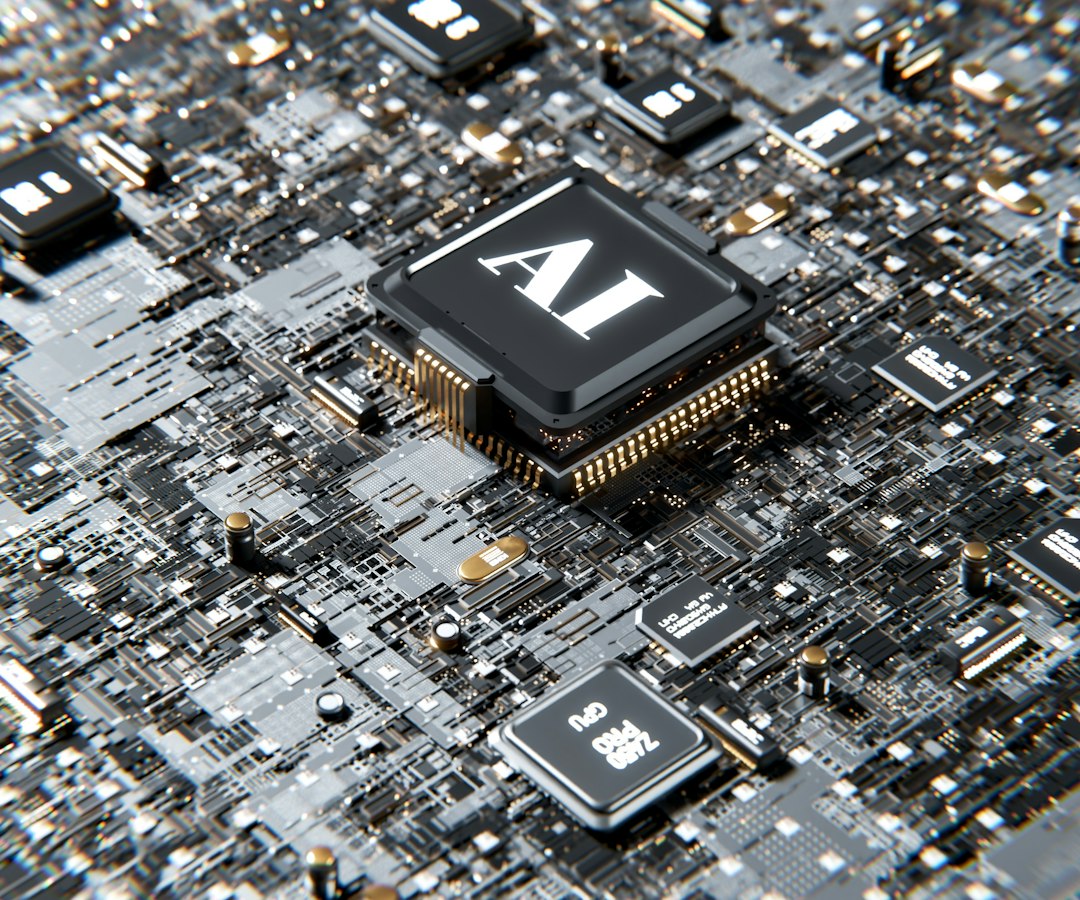
This evolving landscape presents a unique opportunity for AI researchers to redefine their roles. By collaborating with hardware engineers and actively participating in the development of new technologies, they can help shape the future of the industry. The integration of AI into hardware is not just about enhancing performance; it is about creating a more intelligent ecosystem that can respond to user needs in real-time.
Flow Engineering’s successful funding round is indicative of a broader trend within the tech industry, where the integration of AI into hardware is becoming increasingly vital.
Flow Engineering’s successful funding round is indicative of a broader trend within the tech industry, where the integration of AI into hardware is becoming increasingly vital. Companies are recognizing that to remain competitive, they must innovate and adapt to the demands of a rapidly changing market. This trend is likely to accelerate as more firms seek to leverage AI capabilities to enhance their products.
The partnership potential between AI startups and established hardware manufacturers will also grow. As startups like Flow Engineering develop cutting-edge technologies, traditional manufacturers may seek collaborations to integrate these advancements into their existing product lines. This could lead to a wave of innovation across the industry, as established players look to stay relevant in an AI-driven market.
Moreover, the investment in AI-enhanced hardware is expected to spur economic growth within the tech sector. As companies invest in new technologies, job creation will follow, not only for engineers and researchers but also for support roles such as sales, marketing, and customer service. This expansion will contribute to a more robust tech ecosystem.
However, with these advancements come challenges. The rapid pace of technological change may outstrip the ability of the workforce to adapt. This could lead to a skills gap, where the demand for AI-integrated hardware outpaces the availability of qualified professionals. Companies will need to invest in training and development to ensure their teams are equipped to meet these challenges head-on.
The future of hardware development is undoubtedly intertwined with AI. As Flow Engineering leads the charge with its recent funding, the industry must prepare for a new era of innovation that promises to reshape how we interact with technology.
As the tech landscape evolves, the question remains: how will companies and professionals adapt to the rapid integration of AI in hardware development? The next few years will be pivotal in determining the trajectory of this transformation.
Hardware engineers should focus on developing skills in machine learning and data analysis.
Frequently Asked Questions
What skills should hardware engineers develop to work with AI?
Hardware engineers should focus on developing skills in machine learning and data analysis. This will enable them to create more intelligent hardware solutions that leverage AI capabilities.
How can AI researchers leverage funding in hardware projects?
AI researchers can utilize funding to explore innovative applications of AI in hardware, potentially leading to partnerships with companies like Flow Engineering for collaborative projects.
What should hardware engineers do about the rise of AI in their field?
Hardware engineers should consider upskilling in AI methodologies and seek opportunities to collaborate with AI researchers. This will enhance their ability to contribute to the development of AI-driven hardware.
Written by Career Ahead AI. AI can make mistakes, so verify key facts. Report errors to support@careeraheadonline.com.





