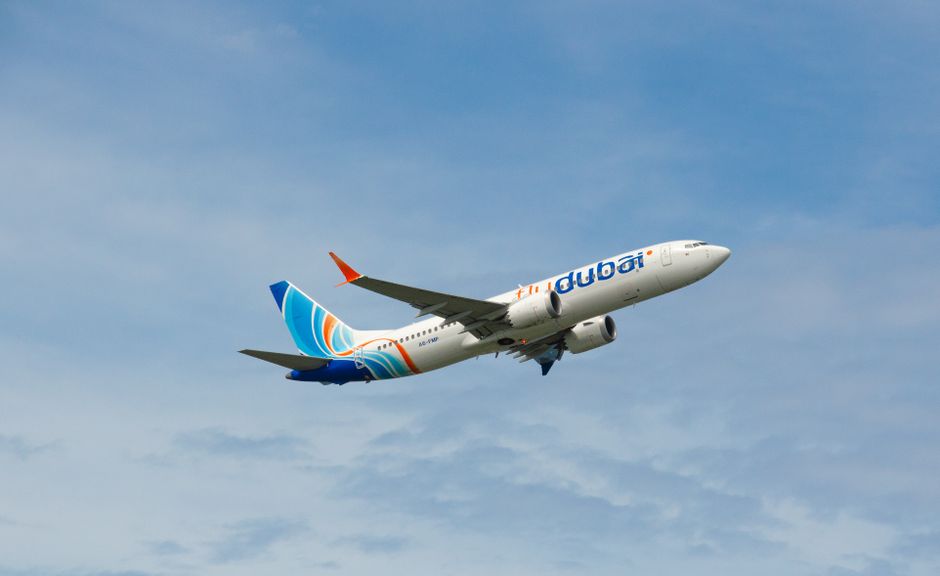
UAE — A recent incident involving a Flydubai co-pilot stabbing the captain with a crash axe has raised alarms about aviation security. This terrifying event occurred on a flight from Dubai to Tel Aviv. The aircraft plunged 16,000 feet before passengers and a standby crew regained control. Fortunately, everyone on board survived, but the impact of this attack will likely be felt across the aviation industry.
The co-pilot’s actions have drawn comparisons to past aviation disasters. These incidents often relate to cockpit security breaches. This event has highlighted the need to reassess pilot screening and on-board security measures, prompting calls for a review of existing protocols.
Increased Scrutiny on Pilot Background Checks
Career Ahead’s analysis shows that the Flydubai incident will likely lead to a review of pilot background checks. Significant aviation incidents have historically resulted in stricter regulations for pilot hiring. After the 9/11 attacks, the aviation industry implemented thorough background checks to prevent security breaches.
In light of the recent attack, aviation authorities may push for better psychological evaluations during the pilot hiring process. This could include mandatory mental health assessments to identify potential risks before pilots operate commercial flights. Such measures aim to ensure mental health issues do not go unnoticed, as seen in the Germanwings crash in 2015.
Furthermore, the incident has sparked discussions about ongoing monitoring of pilots throughout their careers. This could involve regular psychological evaluations and checks on personal circumstances that might affect their performance. Implementing these measures may help prevent future incidents and ensure pilots are fit to fly at all times.
Aviation security experts are advocating for a more comprehensive approach to pilot screening. This approach would go beyond initial hiring and involve collaboration between airlines and mental health professionals. The goal is to support pilots’ well-being while ensuring passenger safety.
This approach would go beyond initial hiring and involve collaboration between airlines and mental health professionals.
With these potential changes, the aviation industry may shift how it approaches pilot recruitment and retention. Safety and mental health may become priorities alongside operational efficiency.
Potential Changes in Cockpit Access Regulations
 Industry & Global Trends
AI Boom Sparks Economic Risk Concerns
Georgieva's remarks come ahead of the annual meetings of the IMF and World Bank, where discussions on global economic stability are paramount.
Read More →Another significant outcome of the Flydubai incident could be a reevaluation of cockpit access regulations. Current protocols allow a single pilot to remain in the cockpit during flight. This practice has come under scrutiny after violent actions by co-pilots. The Flydubai attack highlights the risks associated with this practice, leading to calls for a mandatory two-person rule in the cockpit.
Career Ahead research indicates that stricter cockpit access regulations could significantly reduce the risk of similar incidents. This approach mirrors recommendations made after the Germanwings crash. The European Union Aviation Safety Agency initially suggested that two crew members be present in the cockpit at all times. Although this recommendation was later softened, the Flydubai incident may reignite discussions about its necessity.
Moreover, enhanced cockpit security measures, such as biometric access controls, could also be explored. These systems would ensure that only authorized personnel can access the cockpit. This would reduce the risk of unauthorized entry or violent actions by crew members. Such advancements could further bolster aviation security and restore passenger confidence.
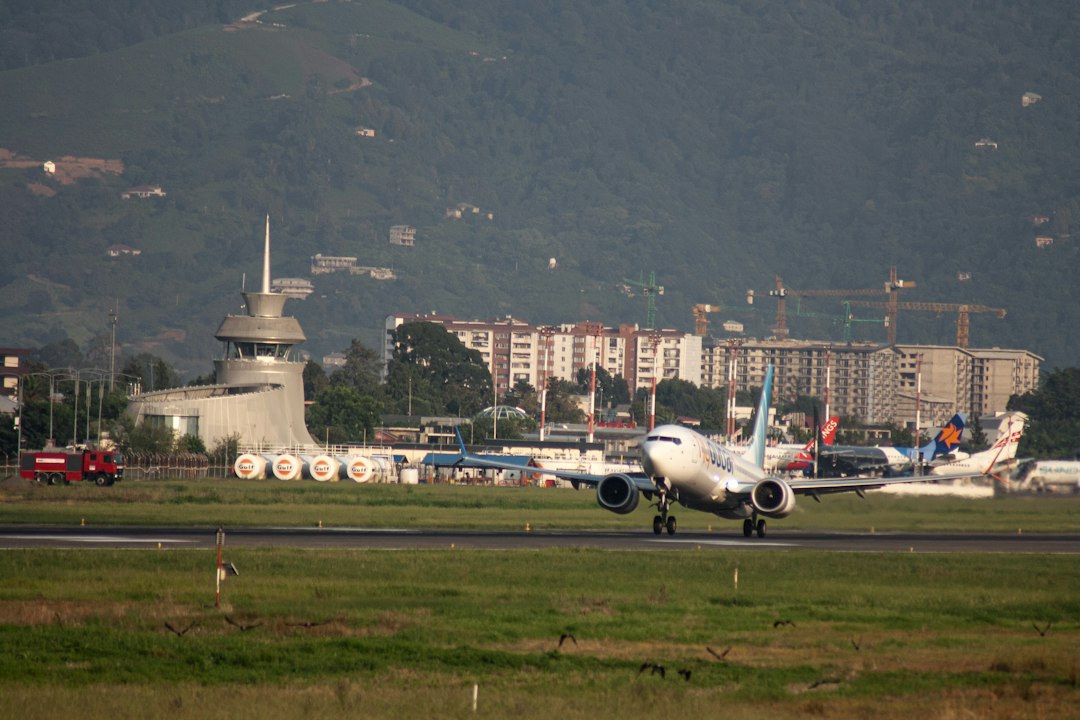
As airlines consider these changes, the implications for pilot training programs will also be significant. Training may need to incorporate new protocols regarding cockpit security and emergency response. This will ensure pilots are prepared for any situation that may arise.
The push for stricter cockpit access regulations could lead to a shift in how airlines operate. Safety and security may become paramount concerns in the industry.
Career Ahead’s analysis shows that enhancing training programs to include scenarios involving mental health crises or violent actions could be crucial in preventing future incidents.
Impact on Aviation Security Training Programs
The Flydubai incident underscores the need for a comprehensive overhaul of aviation security training programs. Current training may not adequately prepare pilots and crew members for the psychological and security challenges they may face. Career Ahead’s analysis shows that enhancing training programs to include scenarios involving mental health crises or violent actions could be crucial in preventing future incidents.
 Industry & Global Trends
Agarwal Says India Can Attract Data Centre Investment
Agarwal cites data-centre construction costs around half the US and Europe level, renewable energy, a 1.5 billion population and coastline.
Read More →Incorporating realistic simulations into training programs could better equip pilots to handle emergencies. This includes potential threats from within the cockpit. This would enhance their preparedness and foster a culture of safety and vigilance in aviation.
Furthermore, airlines may need to invest in ongoing training that addresses evolving aviation security threats. As incidents like the Flydubai attack show, the threats faced by pilots and crews are increasingly complex. A proactive approach to training and preparedness is essential.
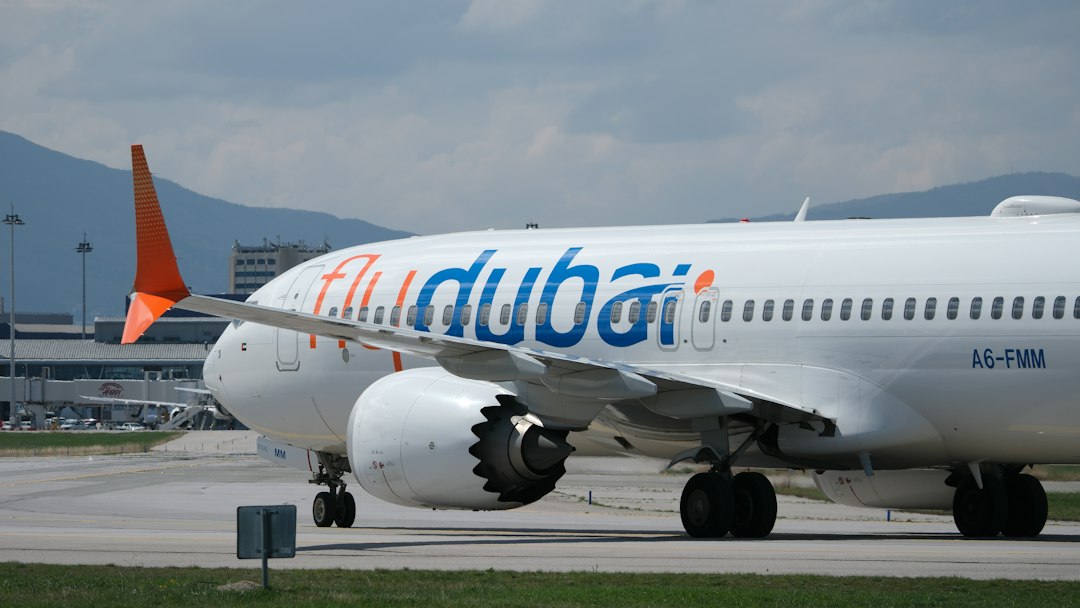
As part of this shift, airlines may also explore partnerships with mental health professionals. This would provide support and resources for pilots. Training programs could emphasize the importance of mental health and well-being, ensuring pilots have access to necessary resources to cope with job pressures.
Overall, the Flydubai incident could serve as a catalyst for significant changes in aviation security training. This could lead to a more robust and comprehensive approach to pilot safety and preparedness.
It raises critical questions about the future of aviation security.
The ramifications of the Flydubai incident extend beyond the immediate crisis. It raises critical questions about the future of aviation security. As the industry grapples with the implications of this attack, stakeholders must consider how to implement changes that prioritize safety without compromising operational efficiency. The path forward will likely involve balancing security with adequate support for pilots in their roles.
Frequently Asked Questions
What new security measures are being implemented for pilots?
Career Ahead research indicates that aviation authorities are considering enhanced background checks and mandatory psychological evaluations for pilots. These measures aim to prevent future incidents like the Flydubai attack.
How can aviation security experts adapt to recent incidents?
Aviation security experts should advocate for comprehensive reviews of pilot screening processes. Ongoing monitoring is essential to ensure that pilots remain fit to fly throughout their careers.
 Industry & Global Trends
Tech Layoffs Near 196,000 Globally in 2026
Nearly 196,000 tech professionals were laid off globally by late October 2026. May saw about 29,000 jobs eliminated in a single month.
Read More →
What should commercial pilots know about changes in cockpit access rules?
Commercial pilots may need to prepare for stricter cockpit access regulations. This could require two crew members in the cockpit at all times to enhance security and safety.
Written by Career Ahead AI. AI can make mistakes, so verify key facts. Report errors to support@careeraheadonline.com.