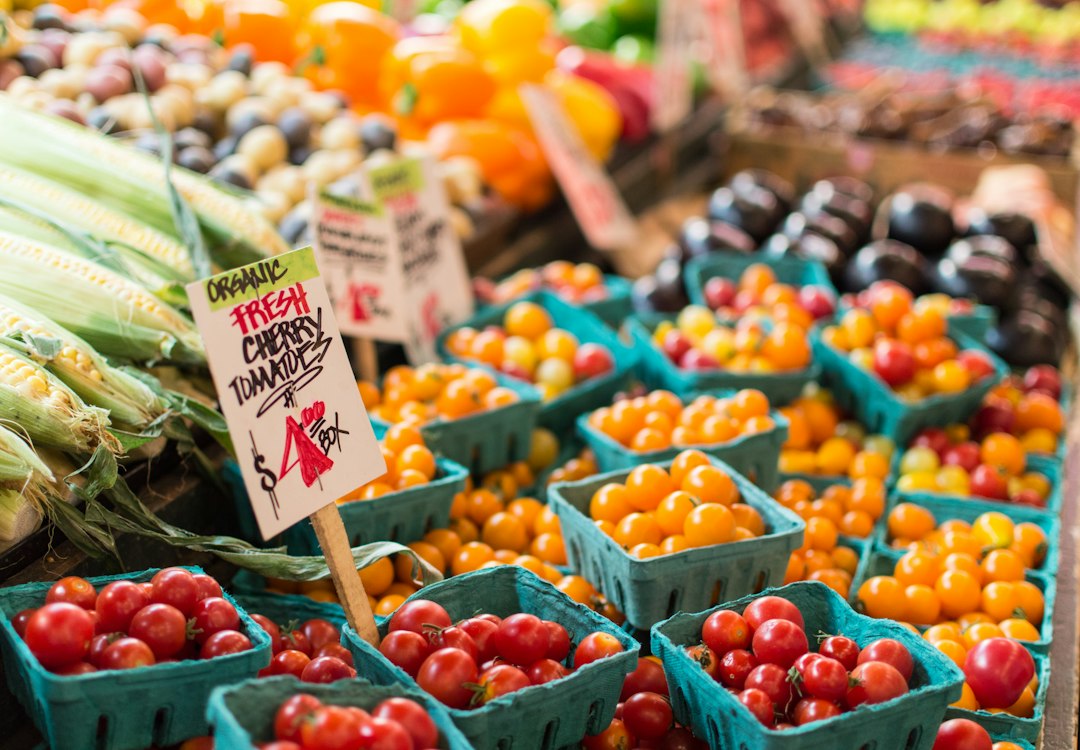
World food prices surged in September 2026, reaching their highest level in nearly four years due to extreme weather conditions and rising agricultural input costs. Farmers face unprecedented challenges as climate change impacts crop yields and food supply chains.
World food prices surged in September 2026, reaching their highest level in nearly four years. This increase is attributed to extreme heatwaves and disruptions caused by El Niño, which have severely impacted agricultural production across various regions. The United Nations’ Food and Agriculture Organization (FAO) reported that the Food Price Index averaged 136.0 points, up from 134.0 in August. The rising costs of sugar, meat, oil, dairy, and cereals have raised alarms among agricultural economists and food supply chain managers.
The implications of these rising food prices extend beyond just the grocery store. Farmers are facing unprecedented challenges as they deal with the consequences of climate change. The FAO highlighted that the Sugar Price Index alone surged by 11.9% in August, driven by fears of a weak global sugar supply outlook for the 2026/27 season, partly due to El Niño. Such price increases signal a tightening supply chain that could lead to further economic strain on consumers and farmers alike. Additionally, the rising costs of agricultural inputs, including fertilizers and seeds, are compounding these challenges, making it increasingly difficult for farmers to maintain profitability.
El Niño’s Impact on Crop Yields and Food Prices
El Niño is known for causing significant weather changes, and its effects are being felt acutely in agricultural sectors worldwide. Persistent hot and dry conditions have led to reduced crop yields, particularly in regions heavily reliant on consistent weather patterns. For instance, the FAO reported that wheat prices rose due to disruptions in Black Sea exports and lower production forecasts in Europe, following extreme weather conditions. According to a report by the World Economic Forum, Europe has experienced devastating heatwaves and wildfires, which have further exacerbated the situation, leading to a decline in agricultural productivity and increased food prices.
Career Ahead’s analysis finds that the impact of El Niño on crop yields is not uniform across the globe. In some areas, such as Southeast Asia, farmers are experiencing lower yields of rice and sugar due to unfavorable weather conditions. In contrast, regions that might typically benefit from increased rainfall are also facing challenges, as excessive moisture can lead to crop diseases and lower quality produce. This variability complicates the forecasting efforts of agricultural economists who rely on historical data to predict future yields. Furthermore, the ongoing ocean heat and acidification extremes, as highlighted by Mongabay, are also contributing to the unpredictability of marine food sources, which are vital for many communities worldwide.
Moreover, the forecast for the upcoming months remains uncertain as the effects of El Niño continue to evolve. The FAO’s data indicates that while some crops may recover, others may not, leading to a mixed outlook. This unpredictability adds another layer of complexity for food supply chain managers who must navigate fluctuating prices and supply disruptions. As the situation develops, the interconnectedness of global food markets means that local price increases can have far-reaching implications, affecting food security across different regions.
The need for real-time data and adaptable forecasting methods has never been more crucial as the agricultural sector faces these unprecedented challenges.
As a result, agricultural economists are urged to adapt their models to account for climate variability. This means integrating weather patterns and climate forecasts into their economic models to better predict shifts in food prices and supply chain dynamics. The need for real-time data and adaptable forecasting methods has never been more crucial as the agricultural sector faces these unprecedented challenges. The FAO has emphasized the importance of investing in climate-resilient agricultural practices and technologies to mitigate the adverse effects of climate change on food production.
Rising Costs of Agricultural Inputs and Supply Chain Strategies
In addition to the direct impact of climate events on crop yields, the costs of agricultural inputs are also rising sharply. Factors such as increased energy prices and supply chain disruptions are contributing to higher costs for fertilizers, seeds, and equipment. The FAO noted that the Vegetable Oil Price Index increased by 0.6%, driven by higher palm and soy oil prices, which have a cascading effect on food production costs. This trend is particularly concerning as it threatens to undermine the profitability of farming operations, especially for smallholder farmers who often have limited access to financial resources.
Farmers are now faced with the dilemma of rising input costs while trying to maintain profitability amid fluctuating market prices. This situation is particularly challenging for smallholder farmers who may lack the financial resilience to absorb these costs. Career Ahead research identifies that the rising costs of agricultural inputs could lead to a decrease in the number of small farms as they struggle to compete with larger agricultural enterprises that can better absorb these price hikes. The consolidation of farms into larger operations could have significant implications for rural communities and food diversity.
Food supply chain managers must also prepare for these increased costs by reevaluating their procurement strategies. This may involve diversifying suppliers, investing in local sourcing, and adopting more sustainable practices to mitigate risks associated with climate impacts. The focus on sustainability is becoming increasingly important as consumers demand transparency and accountability in food sourcing. Furthermore, companies are exploring innovative logistics solutions to enhance supply chain resilience, including the use of technology to improve tracking and forecasting capabilities.
As the agricultural sector grapples with these challenges, the need for collaboration between farmers, economists, and supply chain managers becomes critical. By sharing insights and data, stakeholders can develop more effective strategies to navigate the complexities of the current food market. With food prices expected to remain volatile in the near future, the agricultural sector must brace itself for continued challenges. The interplay between climate change, crop yields, and input costs will dictate the landscape of food prices for the foreseeable future.
This remarkable performance is particularly relevant as it comes amid a challenging economic landscape, where many sectors are experiencing fluctuations.
With food prices expected to remain volatile in the near future, the agricultural sector must brace itself for continued challenges.
Frequently Asked Questions
What strategies can agricultural economists use to analyze rising food prices?
Agricultural economists can incorporate climate data and real-time market analysis into their models to better predict price fluctuations. By adapting to the impacts of climate variability, they can provide more accurate forecasts that reflect current conditions.
How can food supply chain managers prepare for increased costs?
Food supply chain managers can prepare for increased costs by diversifying their supplier base and investing in local sourcing. This approach can help mitigate risks associated with price volatility and supply disruptions.
What should farmers do to mitigate the effects of climate change on their crops?
Farmers can adopt more resilient agricultural practices, such as crop rotation and sustainable water management techniques. These methods can help improve crop resilience against extreme weather events and enhance overall productivity.



Industry & Global Trends
 Industry & Global Trends