No products in the cart.

Fossil Fuel Subsidies Fuel Climate Crisis and Economic Implications

Fossil fuel subsidies are contributing to the worsening climate crisis and impacting economic investments in renewable energy. This article examines the implications for energy policy analysts and environmental economists.

Fossil fuel subsidies have reached alarming levels. They significantly impact climate change policies and investments in renewable energy. Recent discussions show that these subsidies financially support the fossil fuel industry while hindering efforts to combat climate change. Reports indicate that the global fossil fuel industry received over $760 billion in subsidies in 2025, according to a study by Oil Change International.
This situation worsens due to ongoing geopolitical tensions, which have increased profits for oil companies. A recent Q&A session with energy correspondents highlighted public concern about these subsidies and their role in fueling climate change. As the climate crisis worsens, the financial backing of fossil fuels raises questions about the commitment to sustainable energy practices.
Economic Implications of Fossil Fuel Subsidies
The economic landscape is changing due to heavy reliance on fossil fuel subsidies. These financial incentives distort the energy market. They make it hard for renewable energy sources to compete. Career Ahead’s analysis shows that the U.S. spending bill allocated $40 billion in fossil fuel subsidies. This has drawn criticism for undermining investments in clean energy technologies.
Moreover, subsidies not only maintain the status quo but also create barriers for renewable energy projects. Research from Yale E360 indicates that these subsidies lock in fossil fuels as the dominant energy source. This delay in transitioning to cleaner alternatives has economic ramifications. It includes job creation in traditional energy sectors at the expense of emerging green technologies.
Career Ahead’s analysis finds that public sentiment is shifting as awareness of climate change grows. More citizens advocate reallocating funds from fossil fuel subsidies to support renewable energy initiatives. This shift could pressure policymakers to reconsider their energy strategies and invest more in sustainable practices.
Career Ahead’s analysis finds that public sentiment is shifting as awareness of climate change grows.
The economic implications extend beyond immediate market concerns. The long-term sustainability of energy systems is at risk. As fossil fuel subsidies drain public resources, the potential for renewable energy investments diminishes. This creates a cycle that reinforces dependence on fossil fuels, contradicting global climate goals.
Overall, the economic landscape is evolving. The pressure to transition to renewable energy sources is increasing. The challenge lies in how policymakers will respond to this growing demand for change.
Public Sentiment and Its Influence on Energy Policy
Public sentiment plays a crucial role in shaping energy policy, especially regarding fossil fuel subsidies. As climate change becomes a pressing issue, citizens are calling for more transparency and accountability in government spending on fossil fuels. Recent discussions show a significant shift in public opinion, with many advocating for reduced fossil fuel funding.
According to LinkedIn’s analysis, public pressure has led to increased scrutiny of fossil fuel profits and their alignment with climate goals. This scrutiny prompts policymakers to rethink their strategies. Younger generations prioritize environmental sustainability, and their call for change reflects a fundamental shift in how society views energy production and consumption.
Furthermore, the impact of fossil fuel subsidies on climate policies is now a central topic in political discourse. As citizens demand action, energy policy analysts must find solutions that balance economic growth with environmental responsibility. The challenge is to create policies that reflect the public’s desire for a sustainable future while addressing the economic realities of energy production.
As citizens demand action, energy policy analysts must find solutions that balance economic growth with environmental responsibility.
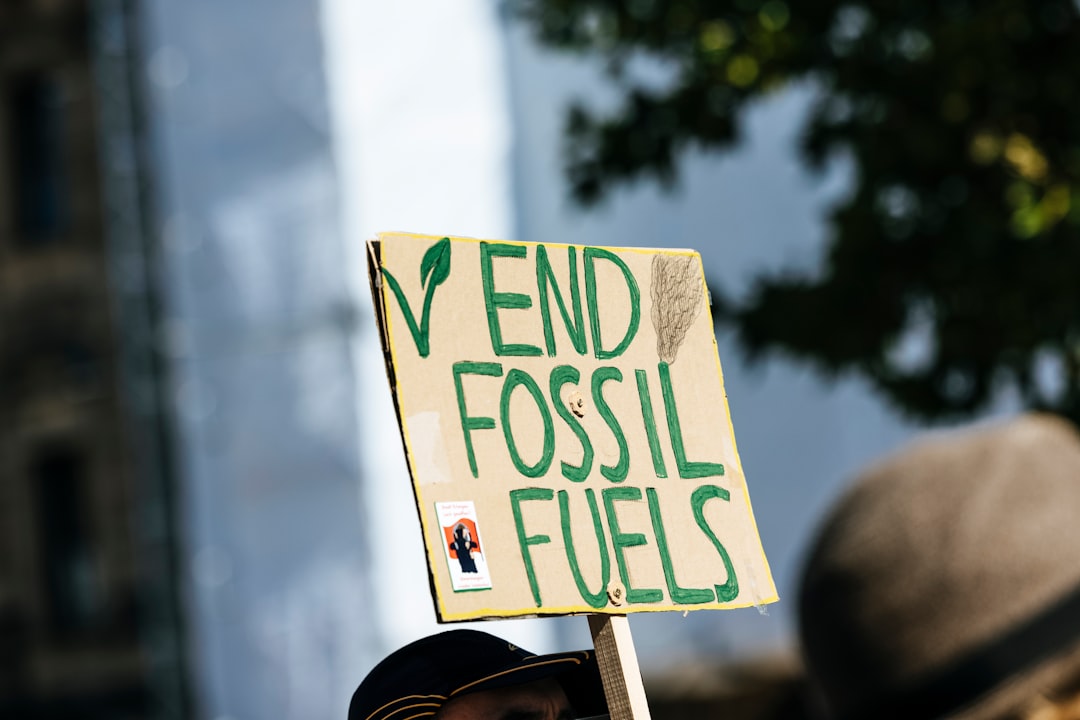
As the climate crisis deepens, the conversation around fossil fuel subsidies is likely to heat up. Career Ahead’s research indicates that the connection between public sentiment and energy policy could lead to significant changes in how governments allocate resources soon. Analysts and economists must stay attuned to these shifts to navigate the evolving landscape effectively.
The growing awareness and activism surrounding fossil fuel subsidies signal a turning point in energy policy. As public pressure mounts, the potential for transformative change in energy systems becomes increasingly plausible.
In light of these developments, the future of fossil fuel subsidies remains uncertain. Will policymakers heed the public’s call for change? Or will the entrenched interests of the fossil fuel industry continue to dominate? The answers to these questions will shape the future of energy policy and climate action in the coming years.
Frequently Asked Questions
What are the latest trends in fossil fuel subsidies?
Career Ahead’s analysis reveals that global fossil fuel subsidies reached over $760 billion in 2025. This illustrates a troubling trend of increased financial support for fossil fuels despite the pressing need for climate action.
Career Ahead’s analysis reveals that global fossil fuel subsidies reached over $760 billion in 2025.
How can environmental economists influence policy changes regarding fossil fuels?
Environmental economists can use data and public sentiment to advocate for policy changes. They can favor renewable energy investments over fossil fuel subsidies, aligning economic incentives with climate goals.

What should energy policy analysts consider when evaluating fossil fuel impacts?
Energy policy analysts should consider the long-term economic implications of fossil fuel subsidies. They should evaluate their effects on renewable energy investments and the potential for public backlash as climate awareness grows.
Written by Career Ahead AI. AI can make mistakes, so verify key facts. Report errors to support@careeraheadonline.com.