No products in the cart.

Fostering Emotional Intelligence in Education
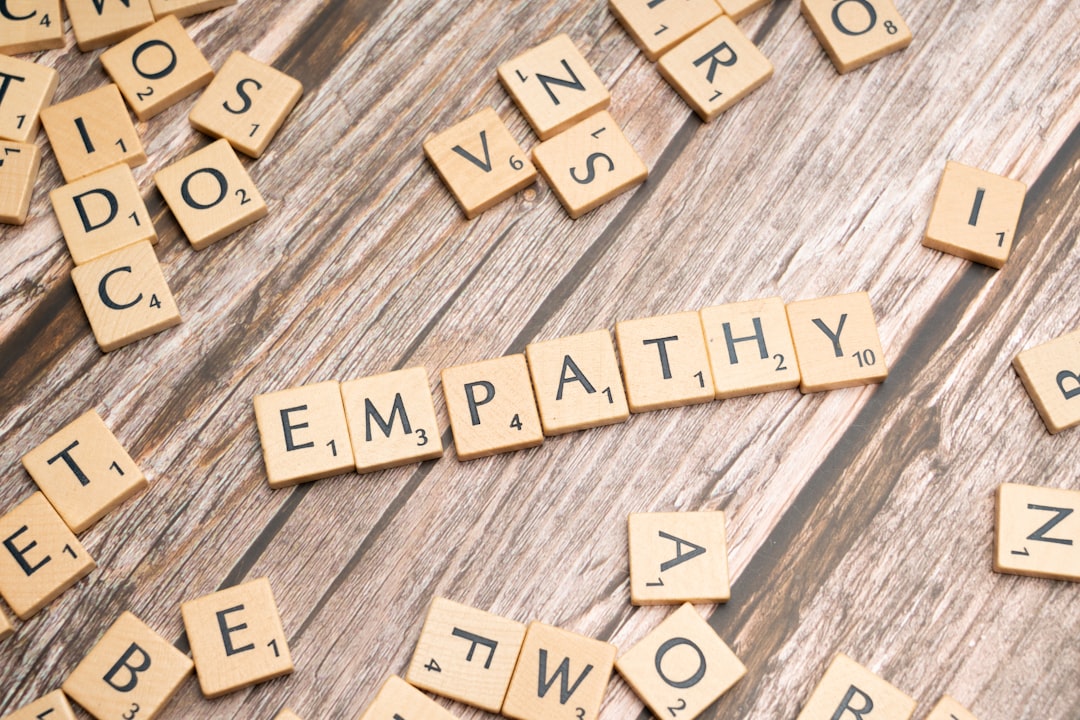
Teaching emotional literacy is essential for student success. This article explores programs that promote empathy and communication in schools.

Boston, USA — Emotional literacy is becoming an essential component of education, yet many schools struggle to incorporate it into their curricula. As students face increasing mental health challenges and social pressures, the need for programs that teach empathy and effective communication is more critical than ever. Recent studies highlight a direct correlation between emotional intelligence and academic performance, making the case for a shift in educational priorities.
Research indicates that students with high emotional intelligence tend to have better relationships, improved mental health, and higher academic achievement. A 2020 study published in the journal “Child Development” found that social-emotional learning (SEL) programs can lead to an 11 percentile-point gain in academic achievement [1]. This statistic underscores the importance of integrating emotional literacy into educational frameworks across the globe.

Despite its proven benefits, the implementation of emotional literacy programs varies significantly. Schools often face barriers such as lack of funding, insufficient training for educators, and prevailing academic pressures that prioritize standardized testing over holistic learning approaches. As a result, many students miss out on the critical skills necessary for navigating today’s complex social environments.
Context and Background
 Education Innovation
The Conservative Overhaul of the University of Texas: A New Era Begins
The University of Texas is undergoing significant changes driven by conservative critics. This analysis explores the implications for students and…
Read More →The concept of emotional literacy refers to the ability to recognize, understand, and manage one’s own emotions while also empathizing with others. In recent years, movements promoting social-emotional learning have gained momentum, with many educators advocating for a curriculum that includes these vital skills. The Collaborative for Academic, Social, and Emotional Learning (CASEL) has established a framework that identifies five core competencies of emotional intelligence: self-awareness, self-management, social awareness, relationship skills, and responsible decision-making [2].
As a result, many students miss out on the critical skills necessary for navigating today’s complex social environments.
Schools that have successfully implemented SEL programs report a range of positive outcomes, including improved student behavior, enhanced peer relationships, and a more supportive school climate. For instance, the 2018 CASEL report highlighted the success of programs in districts such as Chicago and San Francisco, where students showed increased engagement and lower dropout rates [3].
Analysis of Perspectives
Advocates for emotional literacy in schools argue that these programs are indispensable for preparing students for the challenges of the modern workforce. Companies increasingly value emotional intelligence in hiring practices, with LinkedIn’s 2020 Workplace Learning Report indicating that 92% of talent professionals consider soft skills to be just as important as hard skills [4]. This trend highlights the need for education systems to evolve and align with the demands of the job market.
However, critics point to the challenges of integrating emotional literacy into already packed curricula. They argue that without adequate training and resources, educators may struggle to teach these concepts effectively. Moreover, some educators fear that focusing on emotional skills could detract from academic rigor, particularly in high-stakes testing environments.
 AI
AIThe Balancing Act of AI and Fine Arts: Will Collectors Embrace AI-Generated Works?
AI-generated art is challenging traditional perceptions in the fine arts market. Will collectors embrace this new frontier?
Read More →Nevertheless, many experts believe that the long-term benefits of fostering emotional intelligence outweigh the initial hurdles. Dr. Marc Brackett, director of the Yale Center for Emotional Intelligence, emphasizes that emotional literacy is not merely a supplemental skill but a foundational element of learning. He states, “We cannot expect students to thrive academically if they do not feel safe, seen, and valued in their educational environments.”
Looking Ahead
As the connection between emotional intelligence and academic success becomes increasingly evident, the call for comprehensive SEL programs in schools will likely grow louder. Policymakers, educators, and community leaders must collaborate to prioritize emotional literacy within educational standards. Initiatives could include teacher training workshops, partnerships with mental health organizations, and the incorporation of emotional intelligence metrics into school assessments.
Companies increasingly value emotional intelligence in hiring practices, with LinkedIn’s 2020 Workplace Learning Report indicating that 92% of talent professionals consider soft skills to be just as important as hard skills [4].
In a rapidly changing world, skills such as empathy and communication are not just beneficial; they are essential for fostering a generation of resilient, socially aware leaders. Schools have the opportunity to be at the forefront of this transformation, equipping students with the tools they need to succeed in both their personal and professional lives. As we look to the future, the challenge lies in ensuring that emotional literacy is not an afterthought but a central pillar of education. How can we ensure that every student, regardless of background, has access to these vital skills that will shape their futures?