No products in the cart.

Founders Embrace Offline Connections to Combat Loneliness
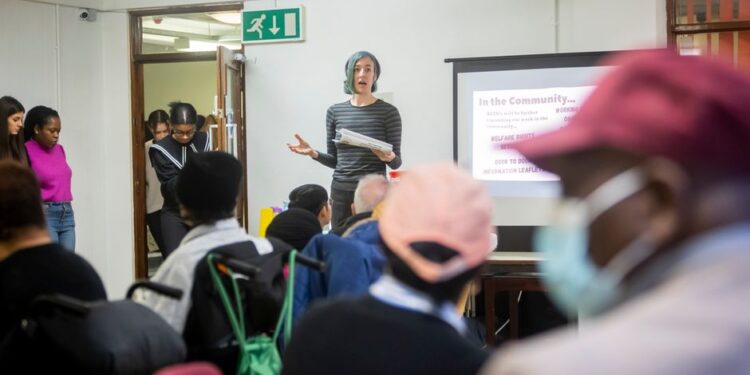
Startup founders are increasingly focusing on offline community engagement, creating spaces that foster connection and combat loneliness, reflecting a shift in consumer preferences for meaningful experiences over digital interactions.

In recent years, many startup founders have shifted their focus to offline community engagement. Founders like Brynn Putnam and Tristan Walker are creating businesses that bring people together in physical spaces. Their ventures aim to address the loneliness epidemic, which is now recognized as a major societal issue.
Putnam, known for her success with the connected fitness company Mirror, has launched Board. This startup features a touchscreen table that encourages group interaction. Walker is building Heirloom Craft, which focuses on reviving fine-craft trade schools. Both founders are using their past successes to explore new opportunities that prioritize human connection.
Understanding the Demand for Offline Engagement
The push for offline community experiences is a response to a growing societal need. The World Health Organization has classified loneliness as a significant global health challenge, estimating that one in six people worldwide are affected. This alarming statistic highlights the need for solutions that foster interpersonal connections.
A recent Harris Poll shows that two-thirds of Americans now prioritize experiences over material possessions, signaling a shift in consumer behavior. This aligns with the founders’ focus on creating engaging, in-person experiences that resonate with those seeking meaningful interactions. Data from Collective 54 further supports this demand, highlighting the importance of networking and collaboration among founders. Their events show that when founders gather, the potential for innovation and partnership increases significantly.
Moreover, as highlighted by Yahoo Finance, more startups are emphasizing community and connection. Founders recognize that fostering a sense of belonging can lead to increased customer loyalty and brand advocacy. This shift is especially relevant for startups targeting younger generations, who seek authentic experiences over digital interactions.
The Impact on Networking Strategies and Business Models The emphasis on offline community engagement is changing networking strategies for founders.
This growing interest in offline engagement is evident in the strategies of various founders. For example, Putnam’s Board is designed for collaborative play, allowing individuals of different ages and abilities to interact in a shared environment. Walker’s Heirloom Craft aims to revive traditional craftsmanship, providing hands-on experiences that connect individuals to their heritage and community.
The Impact on Networking Strategies and Business Models
The emphasis on offline community engagement is changing networking strategies for founders. Traditionally, networking relied heavily on digital platforms and virtual interactions. However, the current trend suggests a shift towards in-person gatherings, where relationships can be built more authentically.
Founders like Andy Dunn exemplify this shift. He transitioned his company Pie from a friend-matching app to a social life operating system. Dunn’s focus on creating a digital hub for social groups reflects the need for structured offline interactions. His approach shows that while technology facilitates connections, community is best experienced in person.
Furthermore, there is significant potential for new business models centered around offline engagement. As demand for unique, experience-driven offerings grows, startups are exploring innovative revenue streams. For example, Walker’s Heirloom Craft capitalizes on the resurgence of interest in craft skills, attracting young tech workers seeking creative outlets. This trend aligns with findings from T Palmer Agency, which emphasize the value of experiential learning and community-oriented businesses.

Investors are also noticing this shift. The success of ventures like Putnam’s Board, which has raised $35 million in funding, shows a willingness to invest in companies that prioritize community building. As more founders recognize the importance of offline interactions, the startup investment landscape may evolve to favor businesses that foster connections.
As the industry evolves, it will be crucial to find effective ways to scale community engagement without losing the personal touch that makes these experiences valuable.
However, the scalability of offline engagement remains a question. Many founders are excited about community-driven businesses, but replicating these experiences across different markets is challenging. As the industry evolves, it will be crucial to find effective ways to scale community engagement without losing the personal touch that makes these experiences valuable.
Significance for Founders and Community Builders
The trend towards offline community engagement is significant for startup founders and community builders. As the landscape shifts, those who leverage offline interactions will likely gain a competitive advantage. Creating meaningful experiences that resonate with consumers can lead to increased brand loyalty and customer retention.
Moreover, the focus on offline connections aligns with the values of younger generations, particularly Gen Z and Gen Alpha. These groups seek authentic experiences and are less inclined to engage with brands that prioritize digital interactions over personal connections. Founders who understand this shift can tailor their strategies to meet the evolving preferences of their target audiences.

As the need for community grows, founders must consider how to integrate offline engagement into their overall business models. This may involve rethinking traditional marketing strategies and exploring innovative ways to foster connections among customers. By prioritizing community building, founders can create lasting relationships that extend beyond the initial transaction.
Frequently Asked Questions
What are effective strategies for startup founders to create offline events?
Successful offline events often involve clear objectives, engaging activities, and networking opportunities. Founders should focus on creating experiences that encourage interaction and foster a sense of community among participants.
Successful offline events often involve clear objectives, engaging activities, and networking opportunities.
How can community builders enhance engagement through offline activities?
Community builders can enhance engagement by designing events that cater to their audience’s interests and needs. They should facilitate meaningful interactions and provide a welcoming environment. Incorporating feedback from participants can also help improve future events.
What should startup founders do about the trend of offline community building?
Startup founders should integrate offline engagement into their business strategies, recognizing the importance of fostering connections among their customers. This may involve exploring innovative event formats and partnerships that align with their brand values.
Written by Career Ahead AI. AI can make mistakes, so verify key facts. Report errors to support@careeraheadonline.com.